TECH
Fake SIM, Caller ID or Tampered IMEI Could Land You in Jail: Government Issues Major Mobile Safety Warning
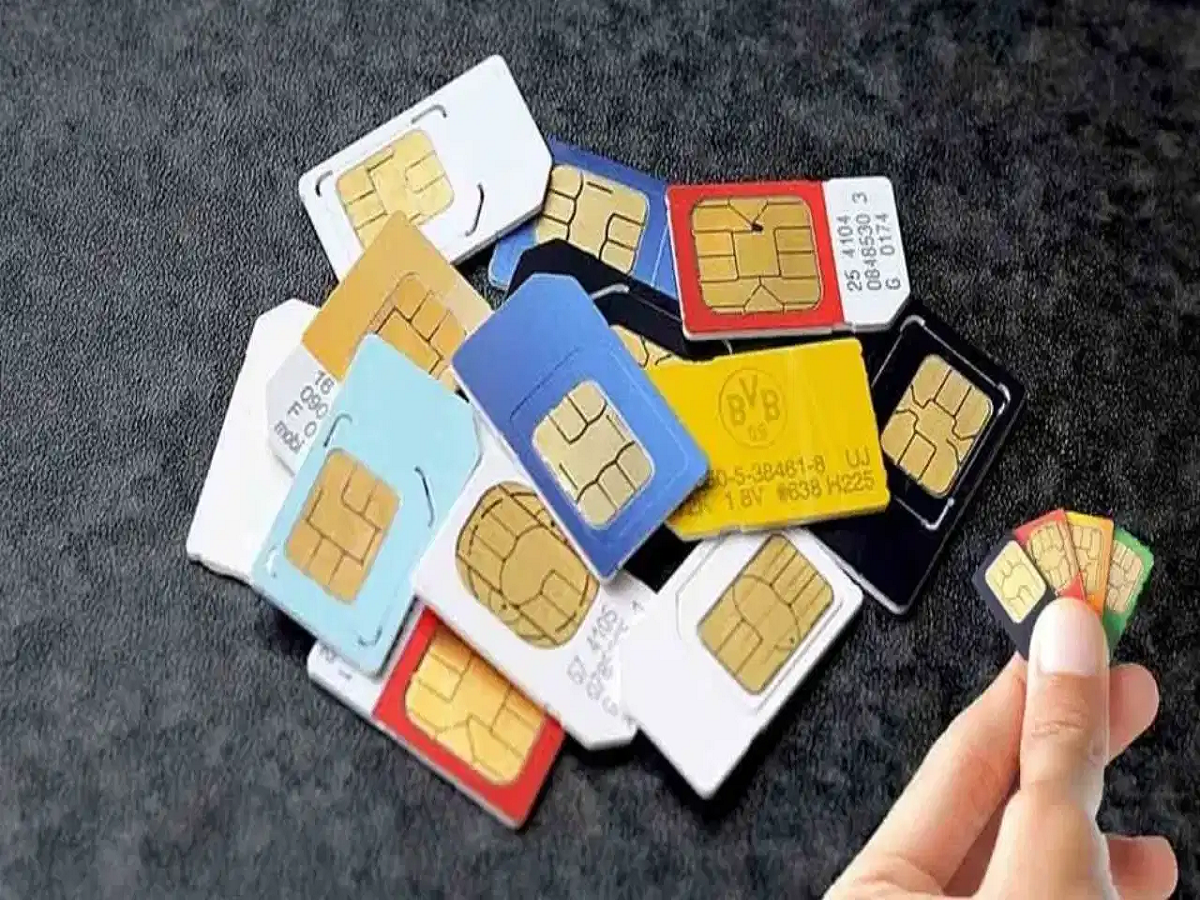
Mobile phone users need to be careful about how they obtain and use SIM cards and handsets. The Department of Telecommunications (DoT) has issued a stern warning against activities such as tampering with a phone's IMEI number, obtaining SIM cards through forged documents, handing over SIM cards to others for misuse, and using fake caller IDs.
According to the government, such activities can have serious legal consequences. In certain cases, offenders may face up to three years in prison, a fine of up to ₹50 lakh, or both.
Tampering With Your Phone's IMEI Can Lead to Legal Action
The IMEI is a unique identification number associated with a mobile handset. The DoT has warned against altering, damaging or manipulating a device's IMEI number.
Using a handset with a tampered or altered IMEI can attract action under the Telecommunications Act, 2023. Under Section 42(6), violations can result in imprisonment of up to three years, a fine of up to ₹50 lakh, or both.
The government has also made it clear that people who knowingly assist or encourage such offences can face action as well.
Fake SIM Cards Can Also Create Trouble
The warning isn't limited to mobile handsets. The DoT has also cautioned people against obtaining SIM cards using forged or fraudulent documents.
Another important warning concerns lending, selling or handing over your SIM card to another person when it could subsequently be used for illegal activities.
A SIM card is registered in the name of the person who obtains it, so allowing someone else to misuse it can potentially create serious complications for the registered subscriber.
Be Careful With Fake Caller IDs
The government has also highlighted the misuse of fake caller IDs through apps and websites.
Caller ID manipulation can make a call appear to originate from a different number, which can be misused for fraud, impersonation and other unlawful activities.
Users should therefore be cautious about services or applications that promise to disguise or manipulate their phone number.
Don't Buy Devices With Tampered IMEI Numbers
The DoT has advised consumers to stay away from mobile phones, Wi-Fi modems, SIM boxes and other telecommunications equipment whose IMEI numbers may have been altered.
People are also advised against assembling or using such devices without ensuring that their identification details are legitimate.
Buying a suspiciously cheap handset without checking its IMEI could potentially create problems later, particularly if the device has been illegally modified.
How to Check Your Phone's IMEI Using Sanchar Saathi
The government has encouraged citizens to use the Sanchar Saathi digital platform to verify their mobile handsets.
Users can check the IMEI associated with a handset and view information such as its brand, model and manufacturer. This can help consumers verify whether the device details match the phone they are purchasing or using.
Checking the IMEI before buying a second-hand phone can be a useful precaution.
Don't Take Mobile Identity Rules Lightly
Your phone number and handset are closely linked to your digital identity and communications. Therefore, activities involving fraudulent SIMs, manipulated IMEIs or fake caller IDs can have consequences far beyond simply losing access to a phone.
The safest approach is to buy phones and SIM cards through legitimate channels, keep your documents secure, avoid lending your SIM for someone else's use, and verify your handset's IMEI before purchasing a device.