BUSINESS
PM Modi Questions Industry: If Companies Got Tax Relief, Why Haven’t Employee Salaries Increased?
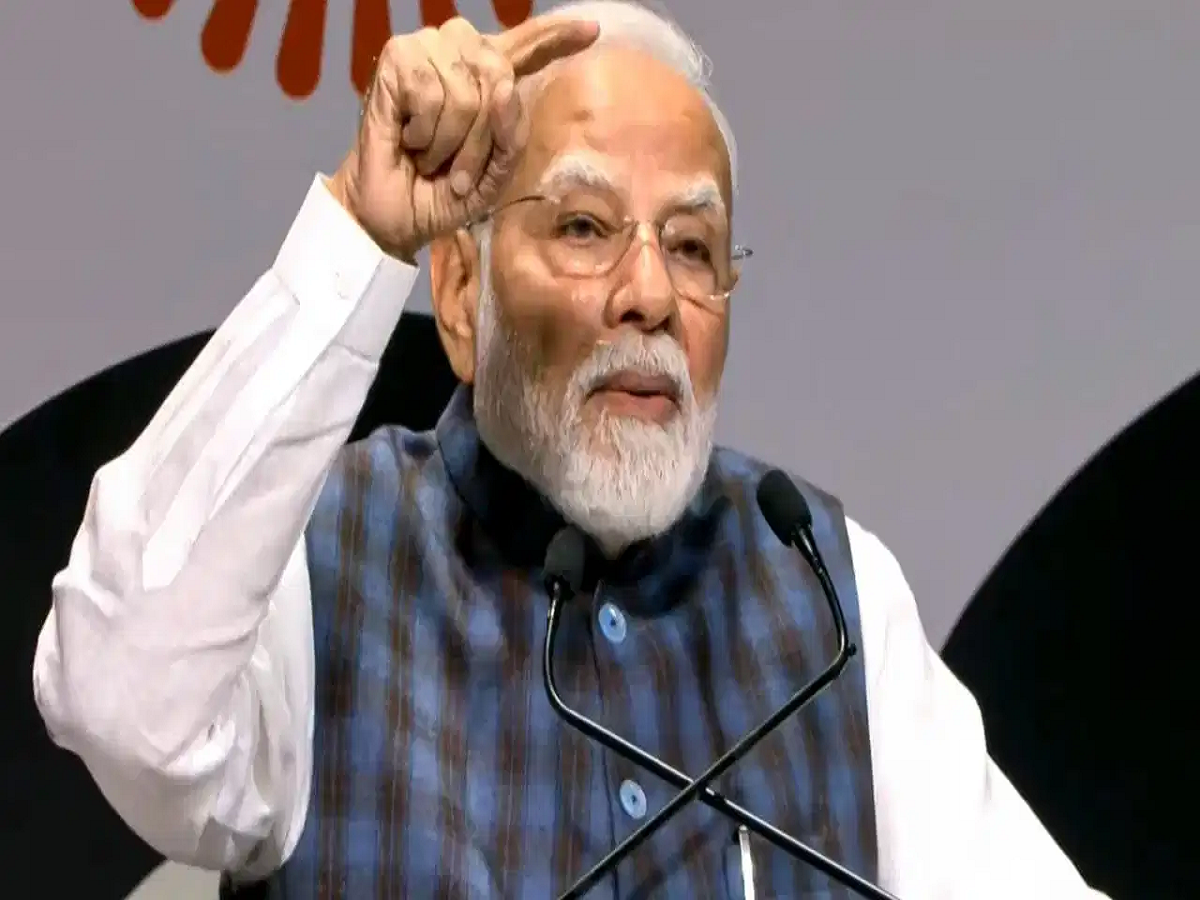
Prime Minister Narendra Modi has called on India's corporate sector to explain why substantial tax benefits provided by the government have not translated into higher employee salaries and greater job creation. He questioned whether companies have passed on the advantages of lower corporate taxes and improved business conditions to their workforce.
Addressing the annual meeting and convention of the Federation of Indian Chambers of Commerce and Industry (FICCI) in New Delhi on Thursday, the Prime Minister said economic growth cannot be the government's responsibility alone. The private sector must also contribute by increasing investment, creating employment opportunities and improving employee incomes.
Corporate Tax Cuts: Where Are the Benefits for Employees?
PM Modi highlighted the reduction in the basic corporate tax rate from 30% to 22%. He also pointed out that a concessional tax rate of 15% was introduced for eligible new domestic manufacturing companies.
According to the Prime Minister, these measures provided significant tax relief to businesses. However, he questioned whether companies had used the additional financial flexibility to expand their workforce or increase salaries.
He urged industrialists to examine whether the benefits of government policies were reaching employees and contributing to broader economic development. He also challenged the approach of businesses that expect the government to take every initiative before making their own investment and employment decisions.
Income Tax Relief for Individuals Could Boost Demand
The Prime Minister also referred to income tax relief under the new tax regime. Under the applicable provisions, eligible individuals can have zero income tax liability on ordinary income up to ₹12 lakh. For salaried taxpayers, the benefit of the standard deduction can take this threshold to ₹12.75 lakh.
PM Modi said the additional disposable income available to individuals could strengthen purchasing power and increase demand for goods and services. This, in turn, creates opportunities for businesses to expand operations.
He asked companies whether they were taking advantage of the potential increase in consumer demand by investing in expansion and generating new employment opportunities.
Industry Must Share Responsibility for Economic Growth
Emphasising the importance of cooperation between the government and businesses, PM Modi said companies should not depend entirely on government policies, incentives and tax concessions.
He highlighted the contributions of farmers, small businesses, industrialists, wealth creators and taxpayers to India's development. According to him, economic progress requires the collective efforts of all these stakeholders.
The Prime Minister stressed that businesses must play an active role in strengthening the economy through investment, job creation and better compensation for employees.
PM Modi Calls for Better Product Quality
The Prime Minister also raised concerns about the quality of products manufactured by Indian companies. He said some businesses rely heavily on India's large domestic consumer base and assume that their products will find buyers simply because the country has a population of around 1.4 billion.
He urged companies to move beyond this approach and provide Indian consumers with products that meet the same quality standards as those available in international markets.
PM Modi also criticised the practice of maintaining different quality standards for export products and goods sold domestically. He said Indian consumers deserve access to high-quality products and should not receive inferior alternatives.
India's Domestic Market Should Help Companies Go Global
PM Modi said India's domestic market should serve as a foundation for global competitiveness rather than simply providing businesses with a protected market.
He encouraged companies to invest in better technology, improve manufacturing standards and strengthen production capabilities to compete with international players.
The Prime Minister also referred to the Free Trade Agreements (FTAs) signed by India with various countries, saying these agreements have created opportunities for Indian businesses to access international markets. He asked industrialists whether they had developed strategies to make the most of these opportunities.
PM Modi Urges Industry to Plan for the Next 20 Years
The Prime Minister encouraged industrialists to adopt an "India First" approach while making long-term investment decisions. He said businesses should identify sectors where increased domestic production could reduce India's dependence on imports.
Citing the pharmaceutical industry, he pointed out that although India has a strong position in manufacturing finished medicines, the country continues to depend on imports for several pharmaceutical raw materials and active pharmaceutical ingredients (APIs).
He also highlighted potential investment opportunities in agriculture, food processing and engineering.
PM Modi urged FICCI members and business leaders to openly communicate the challenges they face. He added that companies could directly submit suggestions if they believed particular policies or regulations needed improvement.
The government's willingness to consider such recommendations, he said, should encourage stronger cooperation between policymakers and industry.
His message to corporate India was clear: tax relief and favourable business policies must be accompanied by greater investment, better employment opportunities, improved salaries and higher-quality products.