BUSINESS
Electricity Bill Relief: PM Surya Ghar Scheme Crosses 50 Lakh Homes, Know How You Can Benefit
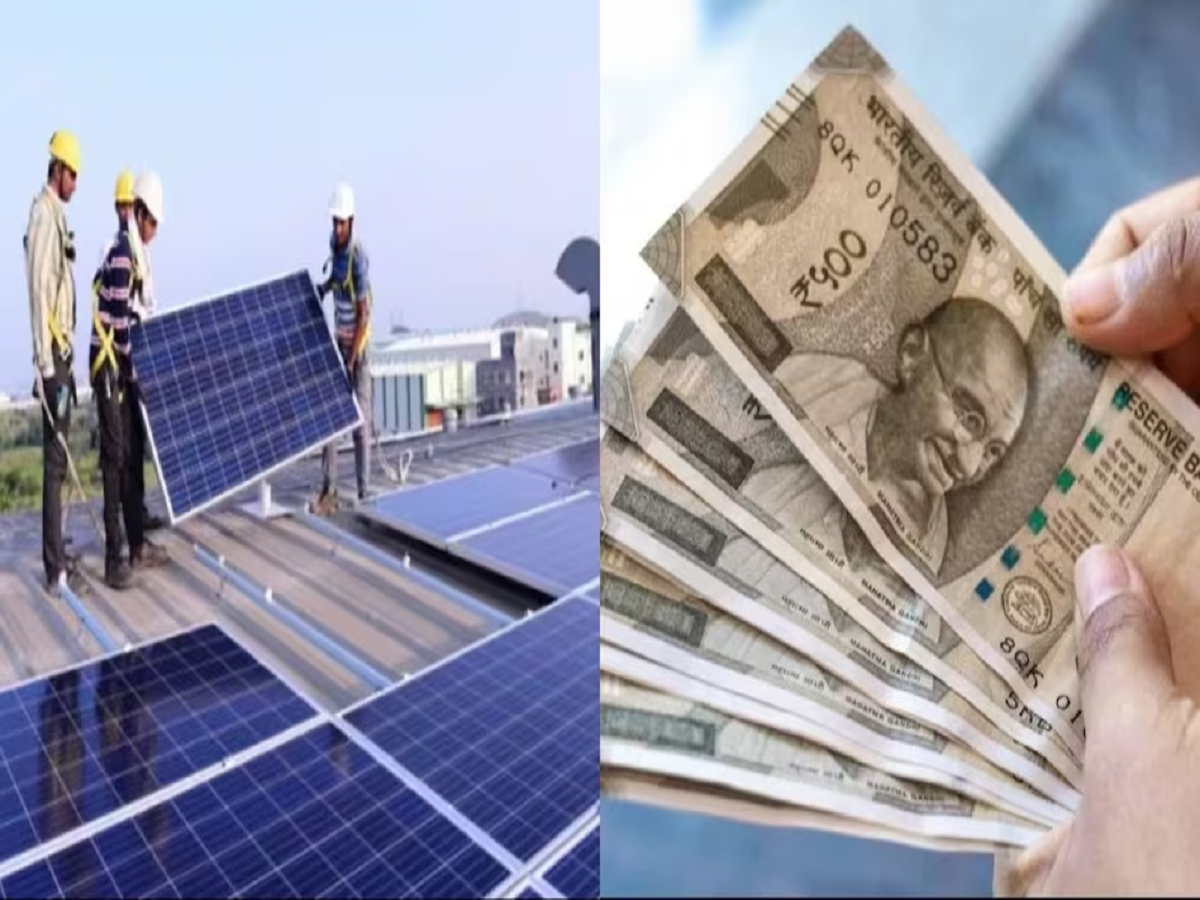
If your monthly electricity bill is putting pressure on your household budget, the government's PM Surya Ghar: Muft Bijli Yojana could be worth knowing about. The rooftop solar scheme has crossed an important milestone, with more than 50 lakh households now having rooftop solar installations across the country.
According to the government, rooftop solar installations reached a record monthly level in July 2026. Around 19 lakh households are now benefiting from zero electricity bills, while the scheme has helped add approximately 14.8 GW of rooftop solar capacity.
What is the PM Surya Ghar scheme?
The PM Surya Ghar: Muft Bijli Yojana aims to encourage households to install solar panels on their rooftops and generate electricity for their own consumption.
The government provides financial assistance for eligible rooftop solar installations, helping reduce the initial cost for households.
According to government data, more than 50.06 lakh households have already been covered under the scheme. More than 25,000 central government buildings have also been solarised.
How can rooftop solar reduce your electricity bill?
Once solar panels are installed, the electricity generated can be used to meet the household's daily power requirements. This can reduce the amount of electricity that needs to be purchased from the grid.
Depending on the applicable electricity regulations and net-metering arrangements in your state, surplus electricity generated by the solar system may also be supplied to the grid.
However, the actual savings will depend on factors such as your household's electricity consumption, the size of the solar system, local electricity regulations and the amount of sunlight available.
Why is the government subsidy important?
The biggest hurdle for many households considering solar power is the upfront installation cost. Government financial assistance can reduce this initial burden and make rooftop solar more affordable.
The scheme has been attracting new beneficiaries at a rapid pace, with the government reporting that roughly one lakh new beneficiary households are being added every six days.
Things to check before installing solar panels
If you are considering rooftop solar, don't choose a system simply because a subsidy is available. First check whether your rooftop receives sufficient sunlight and determine your household's average electricity consumption.
You should also compare the available system capacities, installation costs and expected electricity generation. Make sure you choose an eligible vendor and understand the applicable subsidy, net-metering and installation rules before making a payment.
Why is rooftop solar becoming popular?
Rising electricity consumption and the possibility of reducing long-term power expenses are encouraging more households to consider solar energy.
The PM Surya Ghar scheme's milestone of crossing 50 lakh households indicates the growing adoption of rooftop solar in India. For households looking to reduce their electricity expenses over the long term, checking the cost, subsidy and potential savings of a rooftop solar system could be a useful first step.