BUSINESS
Ration Benefits Go Digital: Government Starts New CBDC-Based System, Know What It Means for Beneficiaries
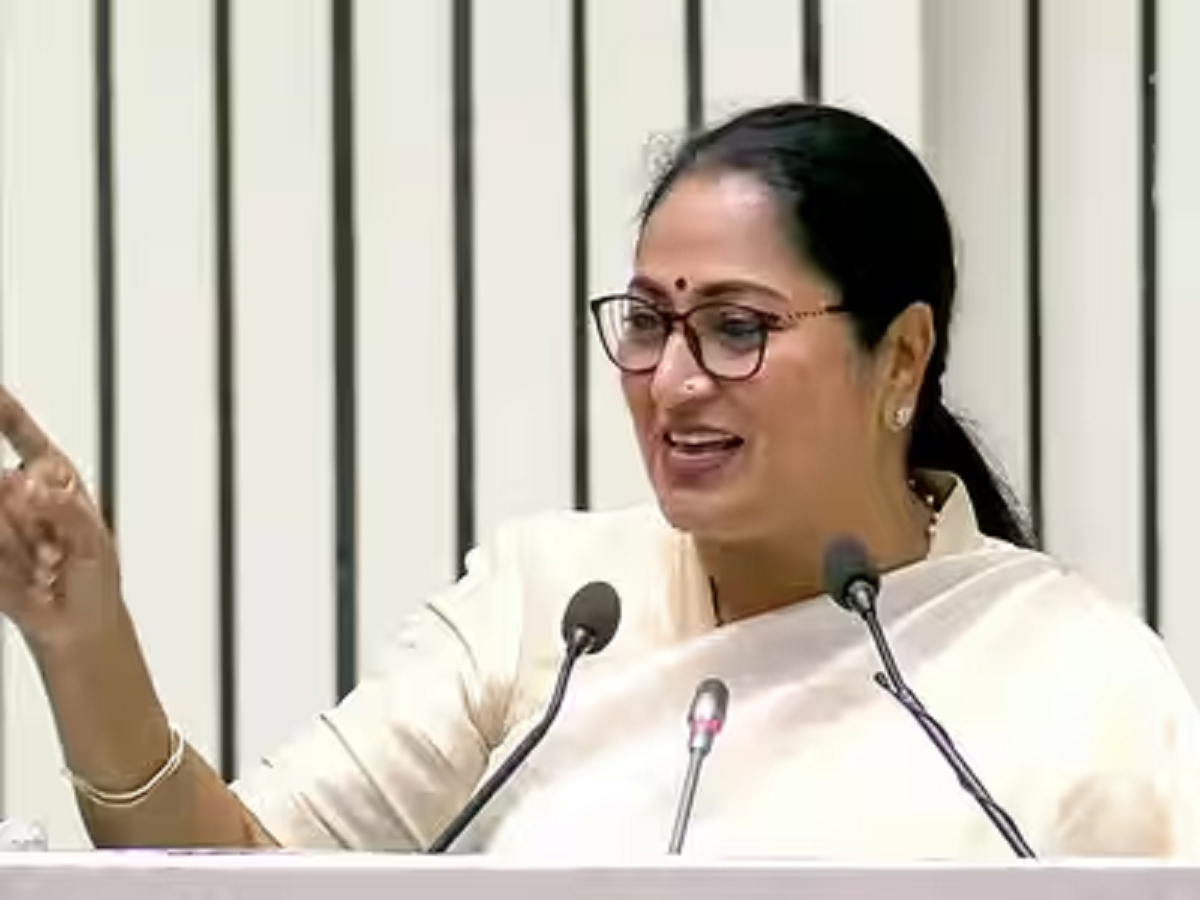
The way government food-security benefits are delivered is gradually changing with the use of digital technology. The Centre has now introduced a Central Bank Digital Currency (CBDC)-based Direct Benefit Transfer (DBT) system under the Pradhan Mantri Garib Kalyan Anna Yojana (PMGKAY) in Chandigarh and Dadra & Nagar Haveli.
The system was launched on August 14, 2026, as part of the government's effort to make welfare delivery more transparent and technology-driven.
What is CBDC-based DBT?
CBDC stands for Central Bank Digital Currency. It is a digital form of the Indian rupee issued by the Reserve Bank of India.
Under the new system, eligible beneficiaries can receive government benefits through a CBDC-based mechanism instead of relying solely on conventional payment channels.
The government says the initiative is intended to improve targeting, transparency and timely delivery of benefits under the country's food-security programme.
Where has the system started?
The initial rollout has taken place in Chandigarh and Dadra & Nagar Haveli.
This means the new mechanism is not currently a nationwide replacement for existing DBT systems. The pilot-style implementation in selected Union Territories will provide experience for the government as digital welfare delivery develops further.
Will ration beneficiaries stop receiving foodgrains?
No. The introduction of CBDC-based DBT does not mean that eligible beneficiaries will suddenly stop receiving their entitled foodgrain benefits.
The initiative is focused on the delivery mechanism for government benefits. The government's objective is to use digital technology to make welfare transfers more transparent and ensure that eligible beneficiaries are properly identified and included.
Why is the government using CBDC?
Traditional welfare payments can involve multiple stages between the government and the final beneficiary. Digital systems can potentially make the movement of funds easier to track.
The government says the CBDC-based DBT model is intended to strengthen transparency and reduce the possibility of exclusion of eligible beneficiaries.
It is also part of the wider shift toward using India's digital public infrastructure for delivering government services.
What does this mean for ordinary citizens?
For most beneficiaries, the most important point is that they do not need to assume that they must immediately change their existing arrangements.
The new system has initially been introduced only in selected areas. Beneficiaries should follow instructions issued by the relevant government department or local administration if they are covered by the new mechanism.
People should also be cautious about fraud. No genuine government official should ask for an OTP, ATM PIN, UPI PIN or banking password to activate a welfare benefit.
Could this expand to other parts of India?
The government has described the Chandigarh and Dadra & Nagar Haveli launch as a significant step toward modernising welfare delivery.
If the system proves effective, digital currency-based benefit delivery could become another tool in India's broader digital welfare infrastructure. However, any expansion to other states or Union Territories would depend on future government decisions and implementation arrangements.
For now, beneficiaries in the initial rollout areas should rely on official government communications and avoid acting on messages or calls claiming to offer immediate CBDC-based ration benefits.