India is rapidly moving towards cleaner and more sustainable fuels, with the government aggressively promoting E20 petrol—a blend of 20% ethanol and 80% gasoline. The initiative aims to reduce the country's dependence on imported crude oil, lower emissions, and support domestic agriculture through increased ethanol production.
As E20 adoption grows, automakers that have already prepared their vehicles for ethanol-blended fuel are likely to gain a significant advantage.
What Is E20 Fuel?
E20 fuel contains 20% ethanol mixed with conventional petrol. Ethanol is typically produced from sugarcane, corn, and other agricultural feedstocks.
The benefits of E20 include:
-
Reduced dependence on imported crude oil
-
Lower vehicle emissions
-
Support for farmers through increased demand for ethanol-producing crops
-
Progress toward cleaner and greener transportation
Which Companies Are Leading the Ethanol Push?
Toyota India
Toyota has been among the earliest automakers to showcase ethanol-ready technology in India. The company introduced an ethanol-powered version of the Corolla Hybrid capable of running on E100 fuel. It has also displayed a flex-fuel version of the Innova Hycross, highlighting its commitment to alternative fuel solutions.
Maruti Suzuki India
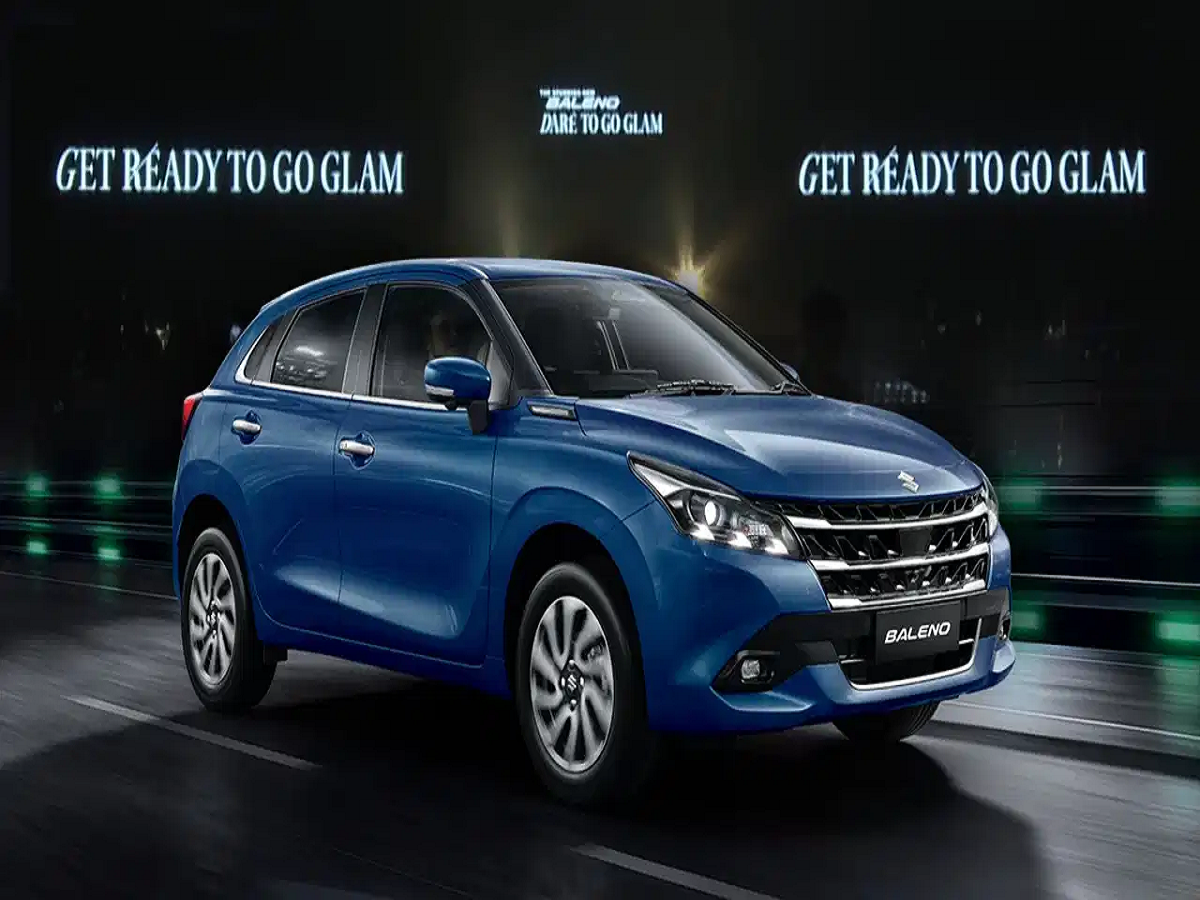
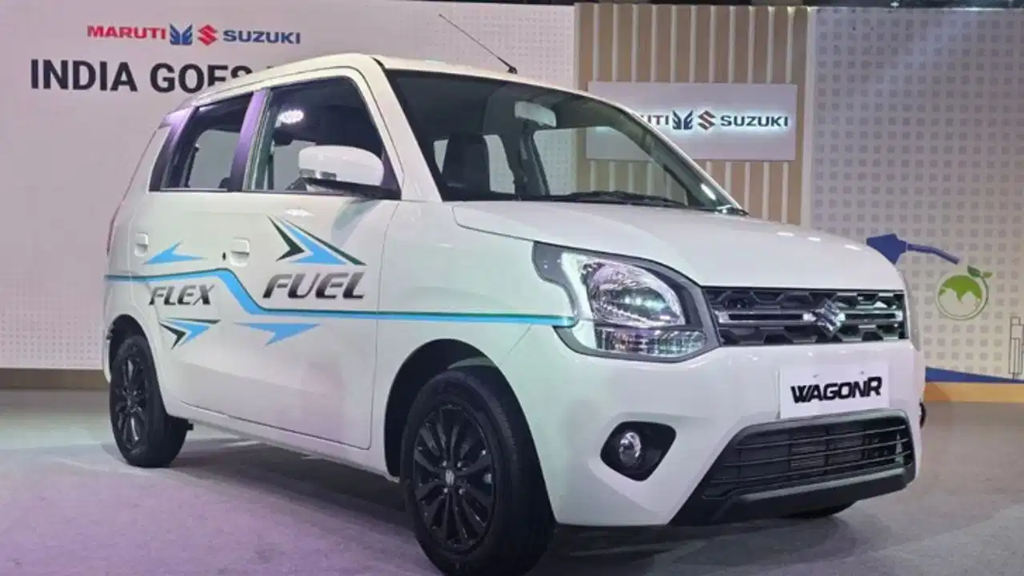
India's largest carmaker has made several of its latest petrol models E20-compatible. The company has also unveiled the WagonR Flex Fuel, considered India's first mass-produced flex-fuel vehicle. Designed to run on both E85 and E100 fuel blends, it features specialized sensors and an upgraded fuel delivery system.
As ethanol adoption increases, Maruti Suzuki's extensive market presence could position it as one of the biggest beneficiaries.
Hyundai Motor India
Hyundai has been preparing its newer petrol vehicles for E20 compatibility and has showcased a flex-fuel version of the Creta. The vehicle features a specially calibrated turbo-petrol engine capable of operating efficiently on higher ethanol blends.
The move reflects Hyundai's long-term strategy to align with India's evolving fuel ecosystem.
Tata Motors
Tata Motors is also making significant progress in ethanol-compatible technology. Several of its petrol-powered vehicles already support E20 fuel, and the company has developed a flex-fuel version of the Punch SUV.
The vehicle's engine, fuel system, and ECU have been modified to handle ethanol blends of up to E85 while maintaining performance and efficiency.
Mahindra & Mahindra
Mahindra is gradually adapting its petrol-powered SUVs and passenger vehicles for ethanol-blended fuels. As government policies continue to favor cleaner fuel alternatives, the company is expected to expand its ethanol-compatible lineup further.
Honda Cars India
Honda has also updated many of its newer petrol engines to support E20 fuel, ensuring compliance with upcoming fuel standards and future-proofing its product portfolio.
Why E20 Compatibility Matters
As India moves closer to widespread E20 adoption, consumers purchasing new vehicles should pay attention to ethanol compatibility. Cars designed for higher ethanol blends may offer better long-term reliability and compliance with future fuel regulations.
Automakers that have already invested in flex-fuel technology and E20-ready engines are likely to benefit from growing consumer demand and favorable government policies.
The Bigger Picture
The transition to ethanol-blended fuel is not just about vehicles. It has the potential to reduce India's oil import bill, strengthen energy security, support farmers, and contribute to environmental sustainability.
With companies like Toyota, Maruti Suzuki, Hyundai, Tata Motors, Mahindra, and Honda already preparing for this shift, India's automotive industry appears ready for the next phase of cleaner mobility.