The Delhi Government is preparing a new initiative under its upcoming Electric Vehicle Policy 2.0 to encourage vehicle owners to convert old petrol and diesel cars into electric vehicles. As per the proposal, the government plans to offer a subsidy of ₹50,000 for the first 1,000 vehicles that undergo electric conversion through retrofitting.
This incentive is aimed at people who prefer converting their existing vehicles to electric instead of scrapping them. The move is expected to help reduce air pollution in the national capital while promoting faster adoption of electric mobility.
Proposal awaiting Cabinet approval
At present, this plan is still at the proposal stage and has been sent for Cabinet approval. Once approved, it will be released in the public domain to invite feedback from citizens and stakeholders. Only after this consultation process will the policy be finalized and implemented.
The core objective of this initiative is to make EV adoption more affordable by reducing the high cost associated with converting petrol and diesel vehicles into electric ones.
What is vehicle retrofitting?
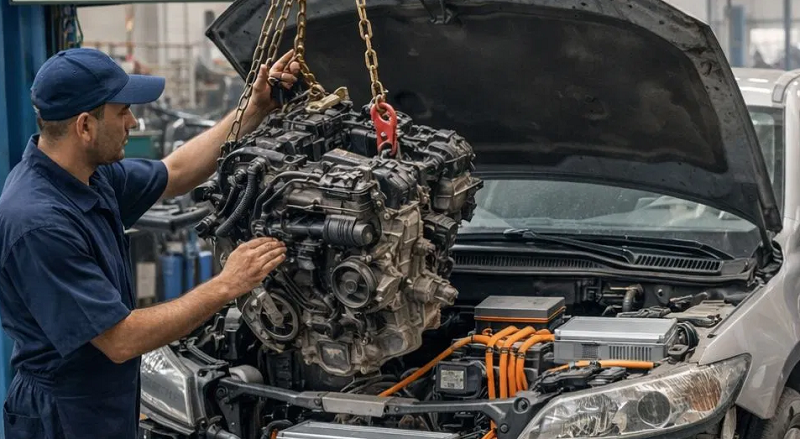
Retrofitting is the process of converting an existing internal combustion engine vehicle into an electric vehicle. In this process, the petrol or diesel engine, fuel tank, and exhaust system are removed and replaced with an electric motor, battery pack, and controller. This allows vehicle owners to continue using their old cars while switching to cleaner and more sustainable technology.
Why retrofitting is getting attention
Retrofitting is gaining popularity as it helps reduce pollution without forcing people to buy new electric vehicles. It also helps cut down on vehicle scrappage and resource waste. However, the biggest challenge has been its high cost, which has limited adoption so far.
By offering subsidies, the Delhi government aims to make retrofitting more accessible and economical. The government also plans to invest in research and development and consult industry experts to better understand and regulate the retrofitting ecosystem in the future.