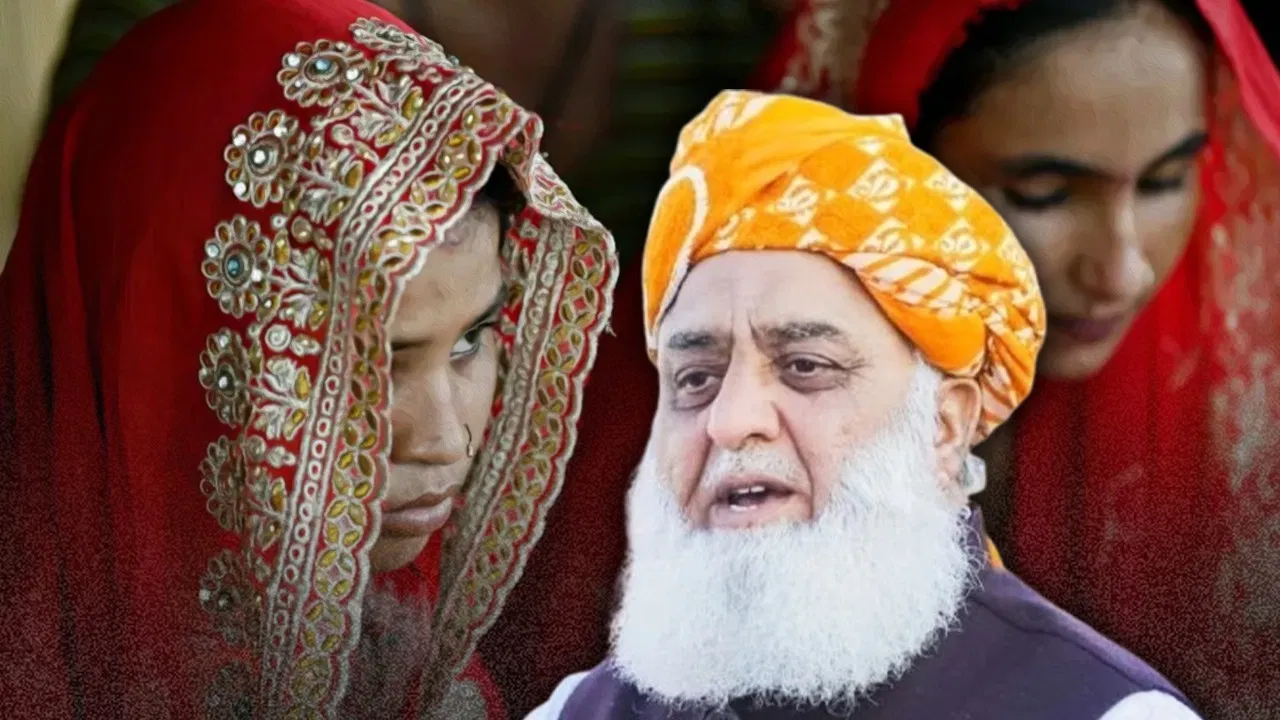
In a landmark move, the Shahbaz Sharif-led government of Pakistan has criminalized child marriage, sending a strong message to clerics across the country: religious authority cannot override state law. President Asif Ali Zardari signed the bill into law just hours before Friday prayers, signaling a decisive break from longstanding practices under Sharia where Maulvis had the discretion to perform Nikah for underage girls.
Child Marriage Now a Crime in Pakistan
Under the new law, marriage of any girl below 18 years of age will be treated as a criminal offense. Not only those who marry minor girls, but also Maulvis, Nikah Registrars, and Qazis who perform such marriages can now face up to three years in jail. The law is expected to be formally published soon via gazette notification.
The government called the reform long overdue, but critical for protecting the rights and dignity of women. This legal shift brings Pakistan closer to international human rights standards and directly addresses pressure from both the United Nations and global financial institutions like the IMF, which had demanded action against systemic child marriage.
Religious Backlash: Clerics Threaten Protest
Despite the law's significance, Maulanas and conservative clerical groups are outraged. The Pakistan Muslim Council has called the legislation “un-Islamic”, accusing the government of bypassing religious consultation. Clerics allied with Fazal-ur-Rehman’s Jamaat-e-Islami have warned of nationwide protests and claimed the law threatens religious and national unity.
Rehman himself opposed the bill in Parliament, saying it would "bring people to the streets" and undermine Islamic principles.
1 in 6 Girls Married Before 18
The scale of the problem is staggering. According to UN Women, nearly 19 million child brides currently live in Pakistan—one in every six girls is married before turning 18. The international community, including the UN and IMF, had been critical of Pakistan’s inaction on this issue.
State vs Sharia: A Legal Showdown Ahead
This new law effectively pits state legislation against entrenched religious practice, setting the stage for a legal and ideological showdown in Pakistan. With provisions to hold even Maulvis accountable, the law could redefine the boundaries of religious authority in family matters—a historically untouchable domain.
As Pakistan inches toward reform, it remains to be seen whether the state can enforce this ban amidst intense resistance from powerful religious factions.