INTERNATIONAL
Strait of Hormuz Tensions: Reports Claim Iran Has Laid Mines, Global Oil Supply at Risk
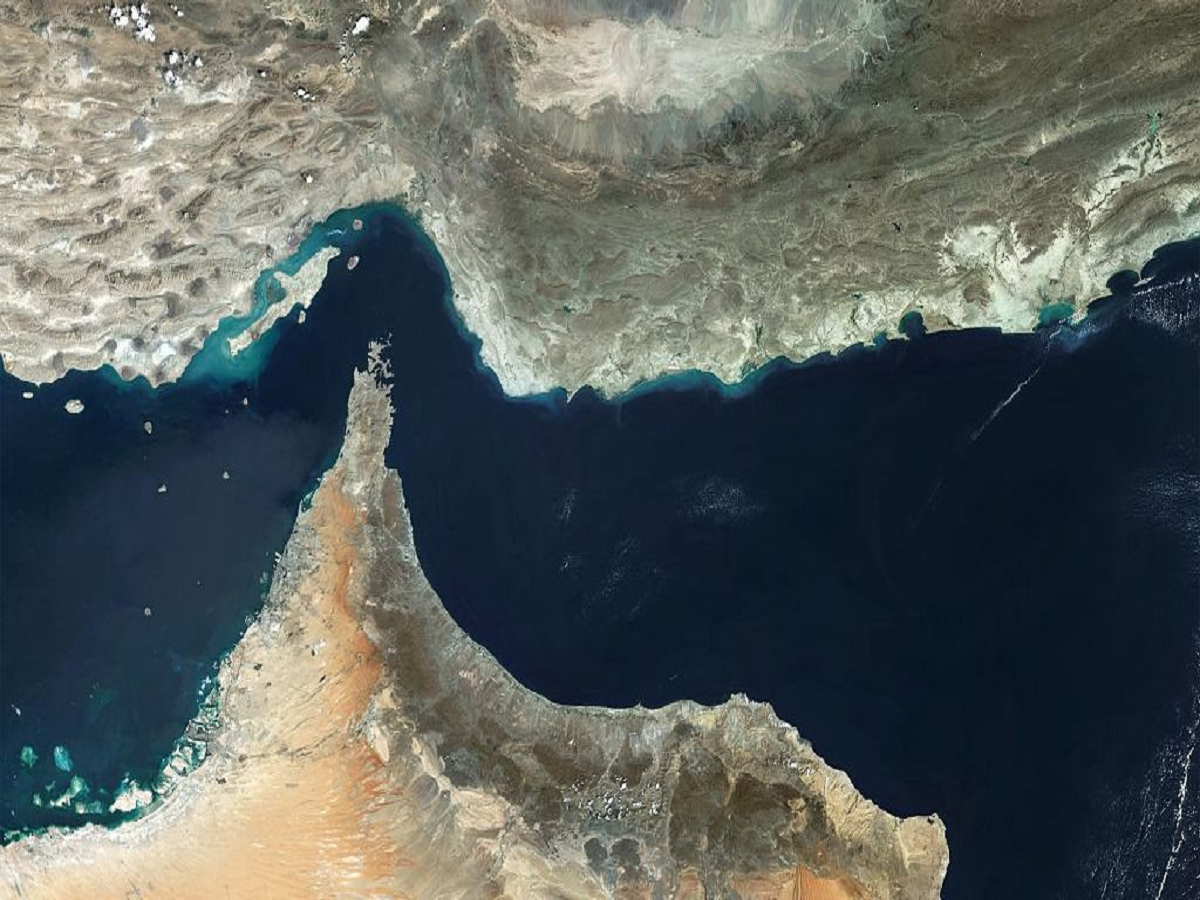
Rising tensions in the Middle East have triggered fresh concerns over the safety of the Strait of Hormuz, one of the world’s most important oil transit routes. According to reports, Iran may have planted sea mines in the region, potentially disrupting global energy supplies.
A report by the The Wall Street Journal suggests that reopening the strategic waterway could take at least 30 days if the situation worsens. The development comes at a time when international crude oil prices have already climbed close to $100 per barrel.
Reports of Sea Mines in the Strait
According to U.S. officials cited in the report, Iran is believed to have placed naval mines on the seabed of the Strait of Hormuz, making the passage extremely dangerous for commercial shipping.
The area has already witnessed several attacks on vessels in recent weeks, increasing concerns among global shipping companies.
Because of the heightened risk, the United States Navy has reportedly declined to provide escort protection for cargo ships passing through the region.
Possible Impact on Global Oil Prices
The disruption of shipping routes could have serious consequences for the global economy. According to The Guardian, oil prices could rise to $150 per barrel if the strait remains blocked for an extended period.
Officials from Iran have also warned that in the event of a full-scale conflict, oil prices might surge even further—potentially reaching $200 per barrel.
A prolonged blockade could also push up prices of natural gas and other essential commodities, as a large portion of global energy supplies passes through this route.
Why the Strait of Hormuz Is Crucial
The Strait of Hormuz is considered one of the most strategically important waterways in the world:
-
Around 20–21 million barrels of oil and petroleum products pass through the strait every day.
-
This accounts for about 20% of global oil consumption and nearly one-third of the world’s seaborne crude oil trade.
-
Nearly 20% of global LNG exports, particularly shipments from Qatar, also travel through this route.
Strategic Control of the Region
The waters around the strait are closely monitored by the Islamic Revolutionary Guard Corps of Iran, making it a sensitive and highly militarized zone.