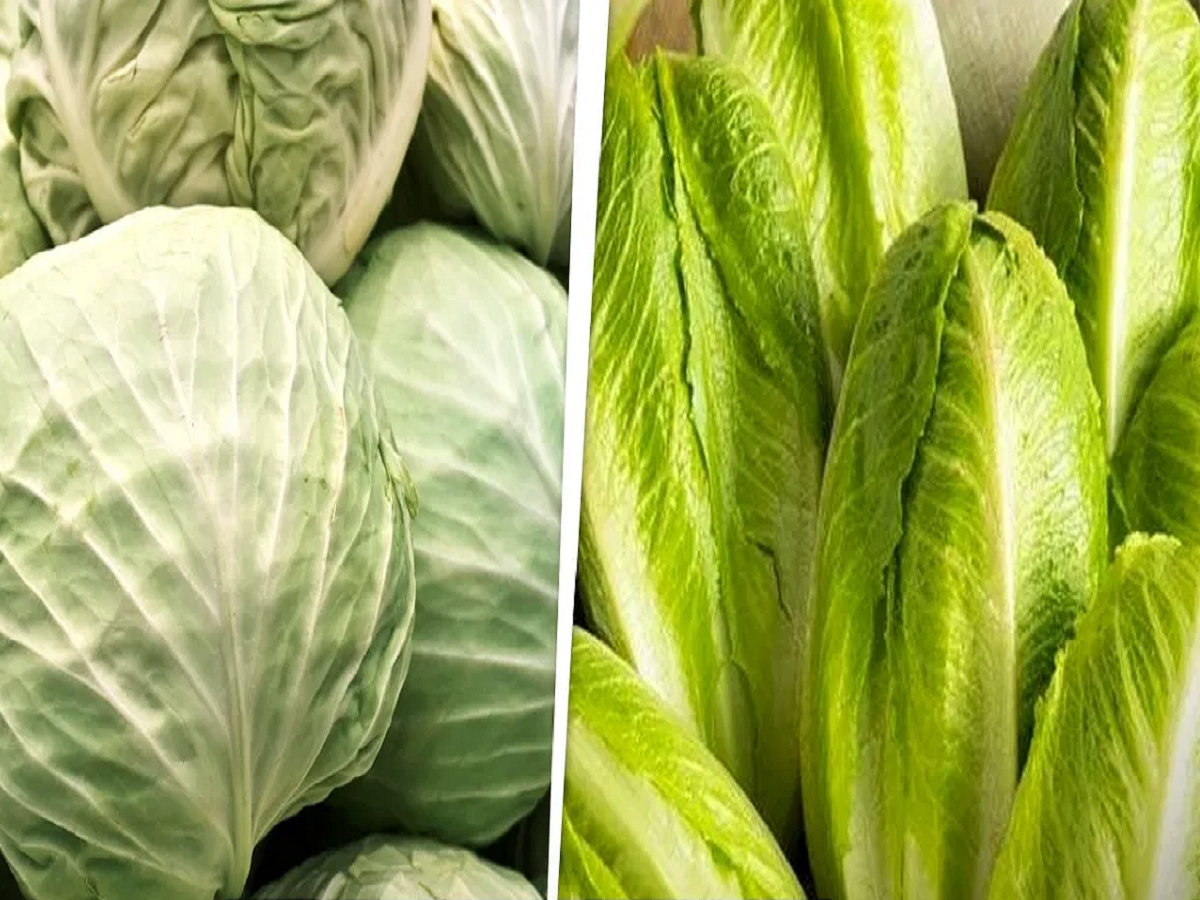
When it comes to healthy diets, salads often take the spotlight. Among the most commonly used leafy vegetables in salads are lettuce and cabbage, two greens that are often confused due to their similar appearance. Despite this resemblance, the two vegetables differ significantly in terms of texture, culinary uses, and nutritional benefits.
Differences in Appearance and Usage
Cabbage has thick, hard, round leaves that are generally peeled individually before consumption. It is frequently cooked and used in traditional dishes such as vegetable curries, parathas, koftas, and even salads. In contrast, lettuce features longer, thinner, and softer leaves, making it ideal for raw consumption in salads, sandwiches, and burgers. Lettuce is generally considered more modern and “fitness-friendly,” while cabbage has been a long-standing staple in Indian kitchens.
Nutritional Profile of Cabbage
Cabbage is high in dietary fiber, which aids digestion, and it is a rich source of vitamins C and K, supporting immunity and detoxification. It is also an affordable and widely available vegetable. Experts caution, however, that consuming raw cabbage in large quantities can lead to bloating or gas in sensitive individuals.
Nutritional Profile of Lettuce
Lettuce is low in calories and has a high water content, making it particularly suitable for those aiming for weight management and hydration. While it contains fiber, its content is lower than cabbage. Lettuce is primarily consumed raw, maximizing its hydration and nutrient benefits.
Which Is More Beneficial?
According to senior dietitian Fareha Shanam, the choice depends on individual health goals. Lettuce is preferable for weight control and hydration, while cabbage is better suited for digestive health due to its high fiber content.
In conclusion, both vegetables bring unique benefits to the table. Cabbage strengthens digestion and immunity, while lettuce supports hydration and low-calorie diets. Selecting between them depends largely on personal nutritional needs and dietary preferences.