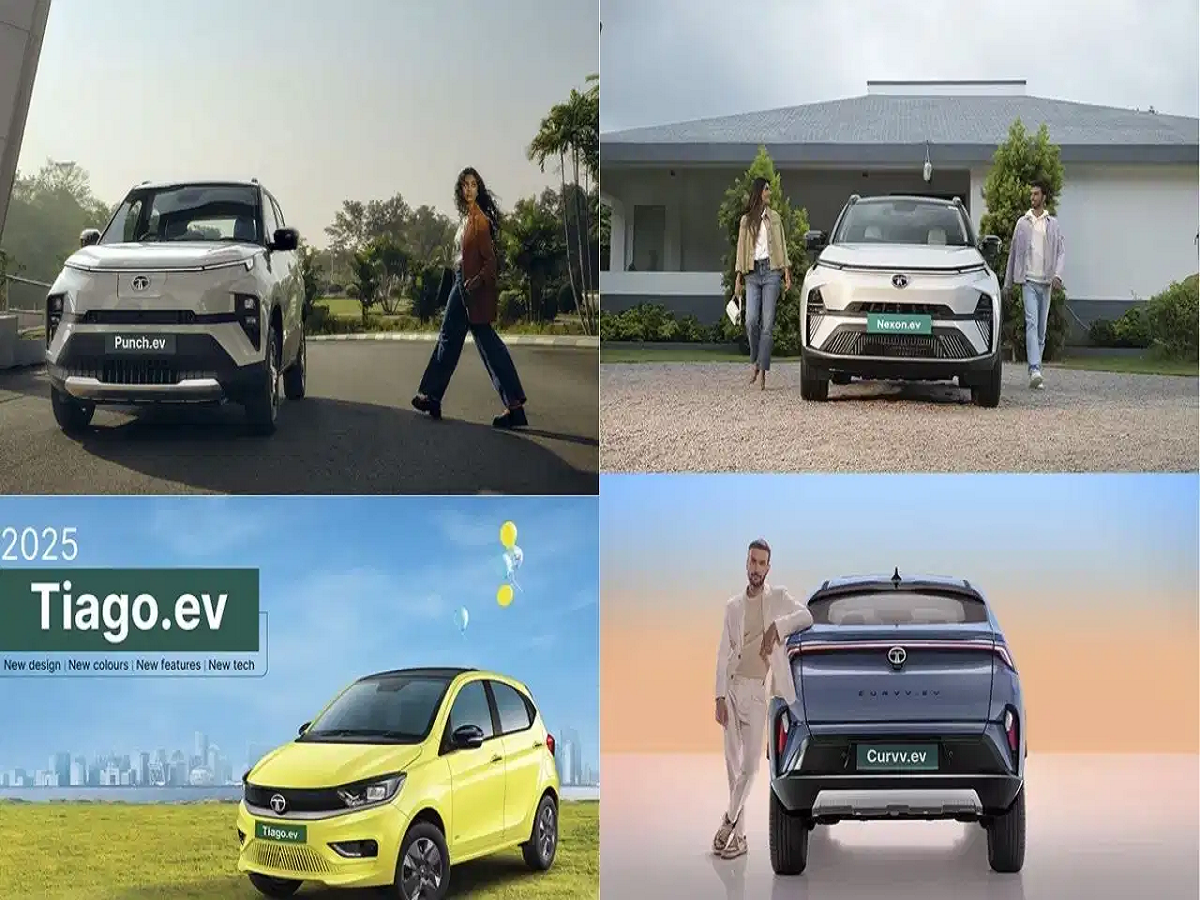
India’s automobile sector is undergoing a major transformation, and the Budget 2026-27 aims to accelerate this shift. While middle-class consumers often look for immediate price drops, this year’s budget focuses on strengthening the foundations of electric vehicles (EVs) to make them more affordable in the long run.
Boost for Local Manufacturing
The government has increased PLI scheme funding to ₹5,940 crore, providing a significant push for domestic EV component manufacturing. This means companies can produce more parts within India instead of importing expensive components. While GST rates remain unchanged, the cost savings on locally manufactured components could gradually make EVs cheaper for consumers.
Battery Costs Likely to Fall
The battery is the most expensive component of an EV. The budget offers duty relief on essential materials for lithium-ion battery production, which can reduce manufacturing costs. As battery prices drop, both electric two-wheelers and four-wheelers may become more affordable in the coming months.
Rare Earth Corridors to Reduce Import Dependence
EV motors and batteries require specific minerals. To secure these resources, the government announced ‘Rare Earth Corridors’ in Tamil Nadu, Kerala, Andhra Pradesh, and Odisha. This initiative reduces dependence on imports, strengthens the domestic supply chain, and stabilizes production costs over time.
Easier Charging Infrastructure
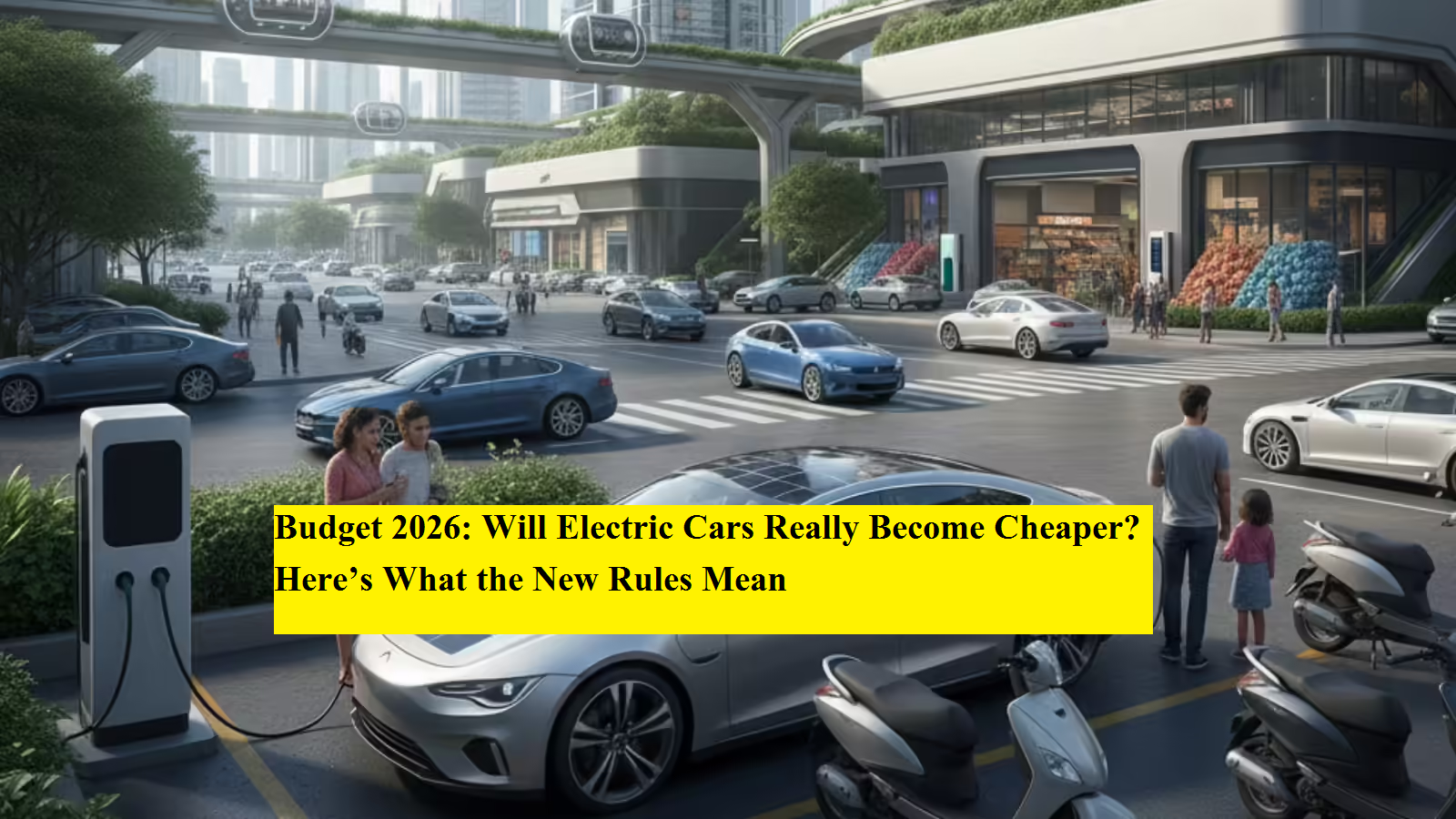
Charging anxiety is a major barrier for potential EV buyers. To address this, the PM E-Drive scheme has been allocated ₹1,500 crore, and plans are underway to launch a super-app for locating charging stations and making payments seamless. This will particularly benefit long-distance commuters considering EVs.
A Win for the Middle Class
While these budgetary measures may not immediately lower EV prices, they lay the groundwork for long-term affordability. Incentives for two-wheelers and three-wheelers will expand EV adoption in smaller towns, making electric vehicles a practical and cost-effective choice for more consumers in 2026.