Smartphone competition is no longer limited to cameras, battery life and design. Software has become equally important when choosing a new device. Apple and Samsung are constantly working to improve their operating systems, introducing new features that make smartphones faster, smarter and easier to use.
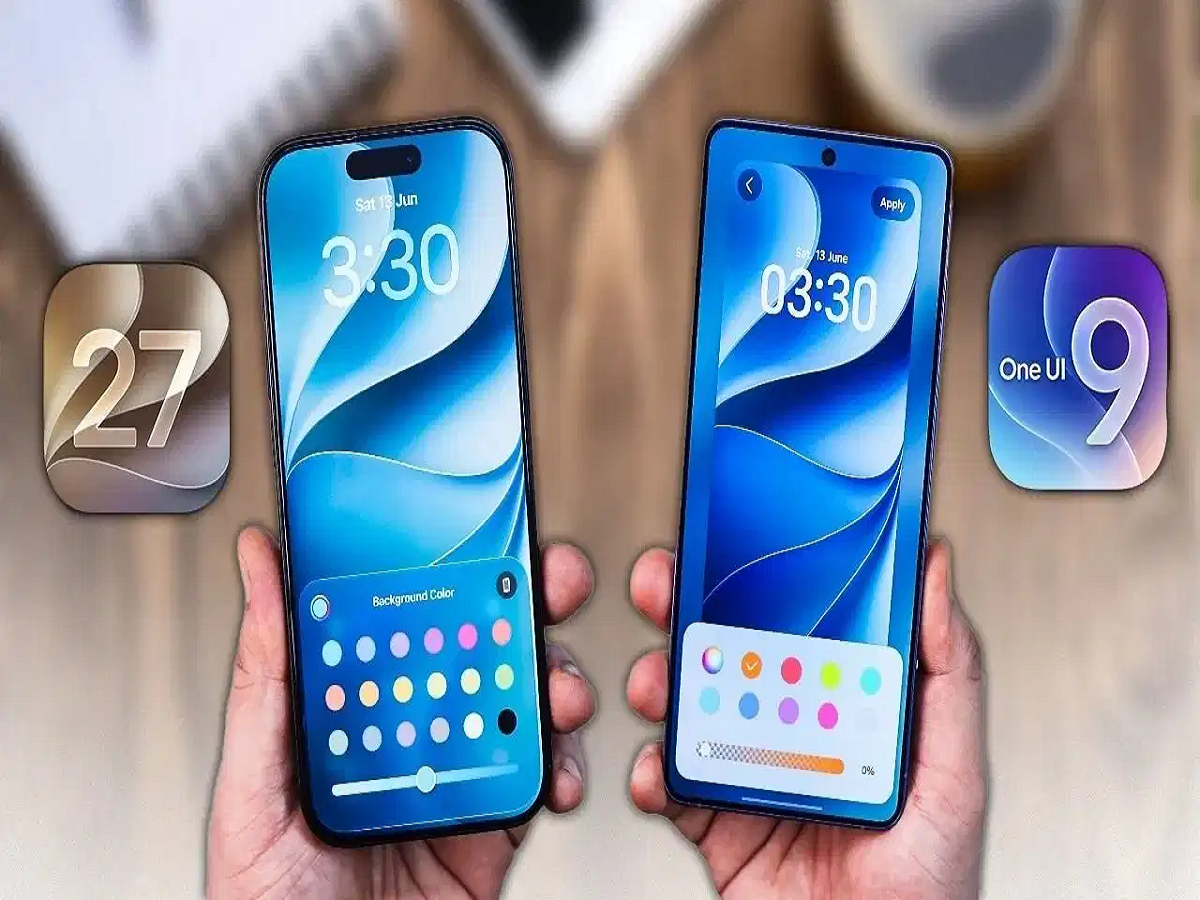
Apple's iOS 27 focuses on performance improvements, a smarter Siri and refinements to its Liquid Glass interface. Samsung's One UI 9, meanwhile, aims to deliver greater customisation, improved multitasking and more AI-powered tools.
But which software offers the better overall experience? Let's compare their key features and understand what sets them apart.
iOS 27: Apple Focuses on Performance and a Smarter Siri
Apple has introduced several changes with iOS 27, focusing on improving everyday performance and making its software more convenient to use.
One of the major highlights is the upgraded Siri experience. The digital assistant is designed to understand requests more effectively and provide responses using relevant personal context, including information from messages, emails and photos, where supported.
Apple has also made refinements to its Liquid Glass interface. Users get more control over the transparency effects appearing across the screen, allowing them to adjust the visual experience according to their preferences.
Performance improvements are another important part of the update. Apple has claimed that apps can open up to 30% faster, while adding new images to the Photos app can be up to 70% faster. AirDrop file transfers are also claimed to be up to 80% faster.
These improvements are intended to make everyday activities smoother, although actual performance may vary depending on the iPhone model and usage conditions.
Samsung One UI 9: More Customisation and Better Multitasking
Samsung's One UI 9 focuses on giving users greater control over how they use their smartphones. One of its key strengths is multitasking, particularly for people who regularly work with multiple apps.
The software supports split-screen functionality, allowing users to run two apps simultaneously and, on supported devices, manage multiple apps more conveniently. This reduces the need to repeatedly switch between applications.
Samsung DeX is another important feature. It provides a desktop-like experience on compatible devices, allowing users to arrange application windows and work across different sections of the screen.
The Galaxy Z Flip8 also offers improved Cover Screen widget management, making it easier to add, remove and organise widgets without opening the phone.
Overall, One UI 9 is designed for users who prefer flexibility and want more control over their smartphone experience.
Apple vs Samsung: Which Company Is Ahead in AI?
Artificial intelligence has become a major part of the smartphone experience, and both companies are investing heavily in this area.
Apple is working to make Siri more context-aware. The assistant is designed to understand information available across supported apps and respond to questions based on what is relevant to the user's activity. It can also use on-screen context to provide more useful responses.
Samsung, on the other hand, has expanded its Galaxy AI experience with features such as Now Nudge, My FanCam, Photo Assist and Now Brief.
Now Nudge is designed to offer suggestions based on the user's current activity, while Photo Assist allows users to make changes to images using natural-language instructions. Now Brief provides relevant information and updates in a convenient format.
Both approaches have different strengths. Apple's focus is on integrating intelligence into its ecosystem, while Samsung offers a wider range of customisation and AI-assisted tools across supported devices.
Ecosystem: Apple or Samsung?
The connected-device experience is another important factor when comparing the two platforms.
Apple has a strong advantage for users who own multiple Apple products. Features such as AirDrop, Handoff and Universal Clipboard make it easier to transfer files, continue tasks and share copied content between an iPhone, iPad and Mac.
Samsung also offers strong connectivity across its Galaxy ecosystem. Galaxy smartphones, tablets, smartwatches and earbuds can work together, while compatible Windows PCs provide additional integration options.
The better choice largely depends on the devices a person already owns. Apple offers a particularly seamless experience within its own ecosystem, while Samsung provides flexibility across Galaxy products and compatible Windows devices.
iOS 27 vs One UI 9: Which One Should You Choose?
There is no single winner for every smartphone user. Both operating systems offer different advantages depending on individual requirements.
iOS 27 may be a better choice for people who prefer a simple interface, smooth integration between Apple devices and a more connected Siri experience.
One UI 9 may appeal more to users who enjoy customisation, multitasking, desktop-style functionality and a wider selection of Galaxy AI tools.
Ultimately, the choice between Apple and Samsung depends on how you use your smartphone. If simplicity and ecosystem integration are your priorities, iOS is worth considering. If flexibility and greater control over the interface matter more, Samsung's One UI could be the better option.