AUTO
Convert Your Old Petrol Car into an EV for ₹2.5 Lakh? Check the Cost, Savings and Payback Period
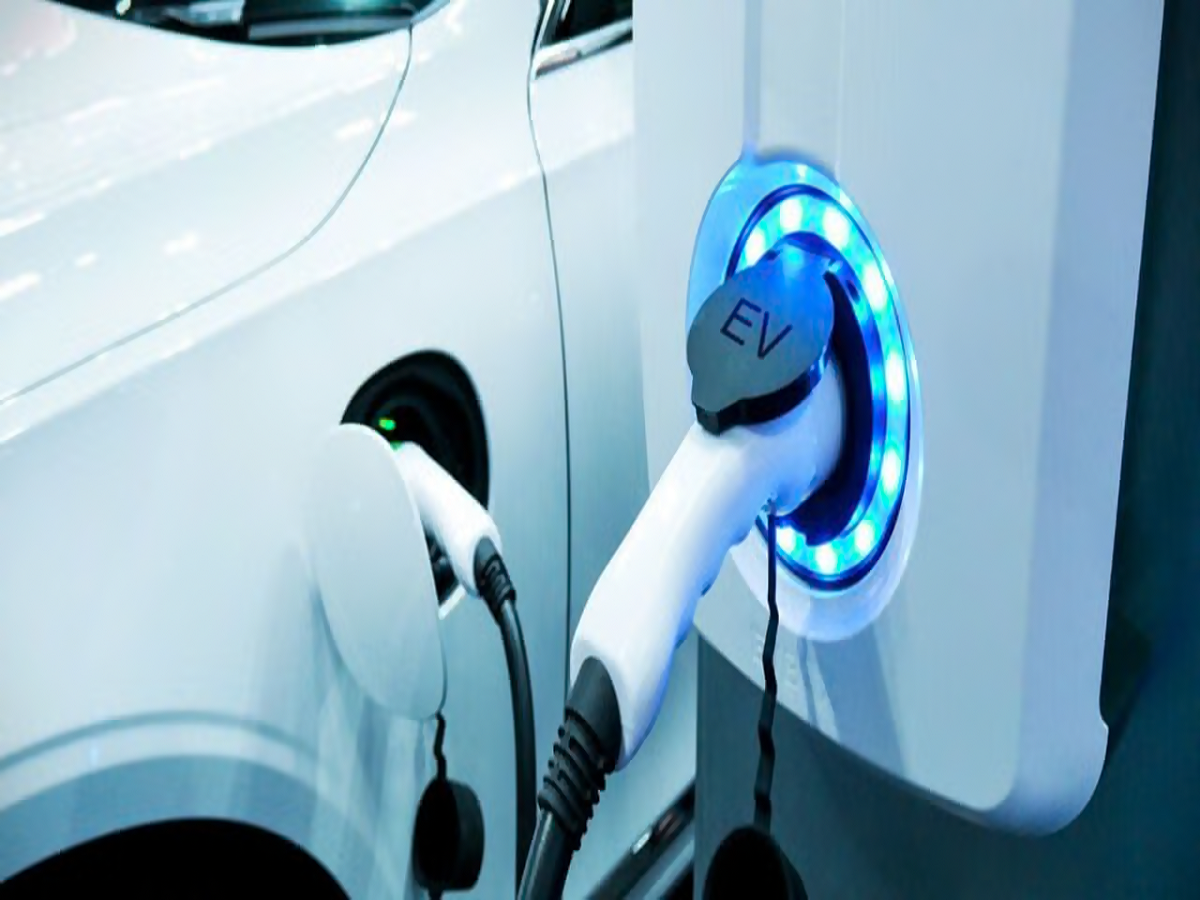
Electric vehicles are gradually gaining popularity in India as fuel prices and concerns about running costs encourage people to explore alternatives to petrol and diesel cars. However, buying a new electric car can require a substantial investment. This has led many vehicle owners to consider another option: converting their existing petrol or diesel car into an electric vehicle.
Several EV retrofit kits are now available in the market, allowing conventional cars to be fitted with electric motors and battery packs. But is this conversion actually economical? How much does it cost, how much can you save on fuel, and what legal requirements must you follow? Let's understand the complete calculation.
How Much Does It Cost to Convert an Old Car into an EV?
EV conversion kits are available for several popular small cars, including the Maruti Alto, WagonR, Swift, Hyundai Santro and Grand i10. A basic conversion kit can cost approximately ₹2.25 lakh, depending on the vehicle and the components included.
The kit generally consists of an electric motor, controller and battery pack. However, the kit price is not the only expense. Installation charges, modifications to the vehicle and RTO-related procedures can increase the overall cost.
For a basic conversion, the total expenditure may reach approximately ₹2.60 lakh to ₹2.85 lakh.
Those looking for a larger battery pack and a claimed driving range of around 250–300 kilometres on a full charge may have to spend considerably more. Depending on the components and conversion requirements, the cost could range from ₹4 lakh to ₹8 lakh.
The final price will depend on the car model, battery capacity, motor specifications and the quality of the retrofit kit.
Can You Save ₹1.15 Lakh Every Year?
The biggest financial advantage of converting a petrol car into an EV is the potential reduction in running costs. To understand the savings, consider a car that delivers an average mileage of 12 kilometres per litre and covers approximately 40 kilometres every day.
At this usage level, the vehicle would consume around 100 litres of petrol every month. Assuming petrol costs approximately ₹105 per litre, the monthly fuel bill would be around ₹10,500.
After conversion, the same daily distance could potentially cost much less in electricity. If home charging costs approximately ₹700 per month, the difference in monthly running expenses would be around ₹9,800.
This could translate into annual savings of approximately ₹1.18 lakh.
However, these are illustrative calculations rather than guaranteed savings. Actual electricity consumption will depend on the battery, motor efficiency, driving conditions and charging losses. The calculation also excludes maintenance, battery replacement and other ownership expenses.
How Long Will It Take to Recover the Conversion Cost?
Suppose the total conversion expenditure is ₹2.75 lakh and the estimated annual running-cost savings are ₹1.18 lakh.
On paper, the initial investment could be recovered in approximately 2.3 years. However, this is a simple payback calculation based on the assumption that the vehicle covers the same distance every year and that the estimated fuel and electricity costs remain unchanged.
The actual payback period could be longer if the conversion requires additional repairs, the battery deteriorates or the car is driven less frequently.
It is also important to consider the remaining life of the vehicle. Spending several lakh rupees on an ageing car may not make financial sense if its engine, suspension, body or other components are already in poor condition.
Is Converting a Petrol or Diesel Car into an EV Legal in India?
Converting an existing petrol or diesel car into an electric vehicle is possible in India, but the process must comply with applicable motor vehicle regulations.
The retrofit kit must have the necessary approval and certification from the relevant authorised testing agency, such as ARAI or ICAT, where applicable. The conversion must also be carried out in accordance with the approved specifications.
Once the modification is completed, the vehicle owner must approach the Regional Transport Office (RTO) to get the change in fuel type and other required details updated in the Registration Certificate (RC). The insurance company must also be informed about the modification, and the policy details may need to be revised.
Before purchasing a kit, owners should verify its certification, compatibility with their vehicle and the approval process applicable to their particular model.
Who Should Consider Converting an Old Car into an EV?
EV conversion may be worth considering for people who own a mechanically sound car and primarily use it for short daily journeys within the city.
For example, someone who drives 30–40 kilometres every day, has access to home charging and plans to keep the vehicle for several more years could potentially benefit from lower running costs.
However, it may not be the right choice for everyone. People who frequently travel long distances, require a reliable charging network or own a car with significant mechanical problems should carefully evaluate the alternatives.
Ultimately, converting an old car into an EV can reduce daily running expenses, but the decision should not be based on fuel savings alone. The conversion cost, battery life, vehicle condition, certification, insurance and resale value all need to be considered before making the investment.