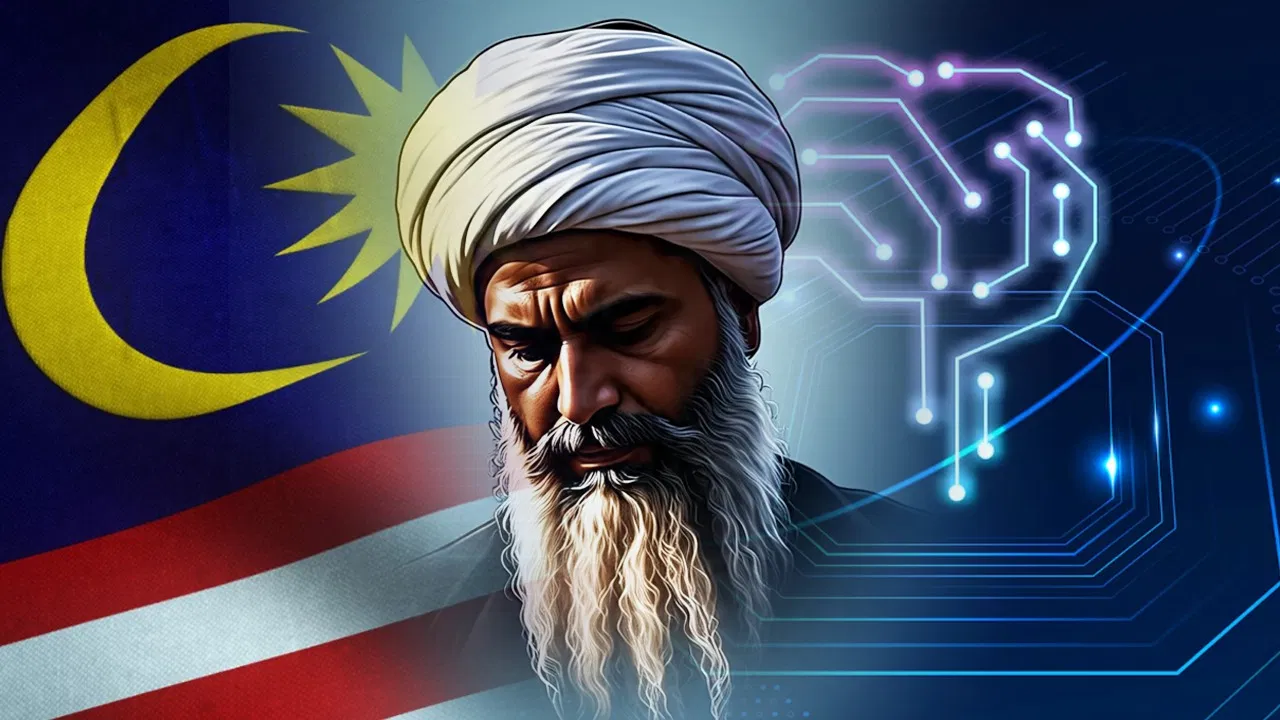
Malaysia is witnessing a storm of debate after the rise of two AI-powered Islamic scholars—“AI Dr. Munir” and “AI Dr. Munira.” Designed to deliver Islamic sermons and answer religious queries, these virtual avatars have taken over social media, but their presence has triggered a deep and uneasy national conversation:
Can artificial intelligence truly interpret divine wisdom?
Digital Preachers or Dangerous Disruptors?
Islam is the official religion in Malaysia, and preaching is strictly regulated by the government. Giving religious sermons without official authorization is considered a serious offense. In this highly sensitive environment, the sudden arrival of AI-generated Maulanas has raised serious ethical and theological questions.
Who takes responsibility if an AI makes a doctrinal error?
Can a machine convey the spiritual essence of the Quran, or is it just simulating knowledge?
Trained on Texts, But Lacking Soul
The avatars are powered by ChatGPT-like technology and trained on over 9,000 writings, sermons, and fatwas by former Islamic Affairs Minister and Kuala Lumpur Mufti Zulkifli Mohammad Al-Bakri. The goal is to make his teachings more accessible, especially to the social media generation.
But scholars argue: Islamic learning is not just about text—it's about human transmission, mentorship, and spiritual connection. One critic noted,
“Machines may quote verses, but they can’t feel them.”
AI Munira Goes Viral—But Sparks Outrage Too
While AI Dr. Munira is trending on TikTok and Instagram, drawing attention for her interactive videos on marriage, fasting, and daily dilemmas, backlash is brewing.
Her modern attire, digitally rendered voice, and casual style have made some uneasy. One viral video—where she answers whether a husband must cater to his pregnant wife's food cravings—was applauded by many, but also drew mockery, with one user even proposing marriage to her.
Religion or Repackaged Content?
Religious experts are warning that this may be the commodification of faith.
“This is not da’wah, it’s digital marketing,” said one scholar.
The concern: AI could be used to manufacture religious credibility, bypassing the rigorous training and spiritual discipline that human scholars undergo.
A user summed up the fear succinctly:
“If anyone can make an AI ‘scholar’ in a few clicks, what’s to stop someone from spreading misinformation in the name of religion?”