LIFESTYLE
16 Somwar Vrat: Why Is Sawan Considered the Best Time to Start the 16 Monday Fast? Know the Mythological Beliefs
For devotees of Lord Shiva, the month of Sawan holds a special place in the Hindu religious calendar. Temples are decorated, devotees offer prayers to Shiva and many people observe fasts on Mondays.
Among these, the 16 Somwar Vrat is considered an important religious observance. Although devotees may begin the fast on a suitable Monday according to their religious tradition, Sawan is widely regarded as an especially auspicious period to take this vow.
So, why is Sawan considered so significant for beginning the 16 Monday fast? Several mythological stories are associated with this belief.
What is the 16 Somwar Vrat?
As its name suggests, the 16 Somwar Vrat involves observing a fast and worshipping Lord Shiva for 16 consecutive Mondays.
Monday, or Somvar, is traditionally associated with Lord Shiva. The Mondays that fall during Sawan are considered particularly sacred by Shiva devotees.
Many people begin their 16 Monday vow during Sawan with the belief that sincere devotion, prayers and fasting can bring Lord Shiva's blessings.
Goddess Parvati's penance is an important belief
One of the most popular stories associated with Sawan concerns Goddess Parvati.
According to Hindu mythology, Goddess Parvati performed intense penance and meditation with the desire to have Lord Shiva as her husband. Her devotion and determination eventually pleased Shiva, who accepted her.
Because of this story, Sawan is traditionally associated with the devotion and union of Shiva and Parvati. Devotees believe that worshipping the divine couple and observing religious practices during this period can be especially meaningful for those praying for marital happiness.
The story of Shiva and Parvati's reunion
Another belief connects Sawan with the story of Sati and Parvati.
According to mythology, after Sati left her body, she was reborn as Goddess Parvati, the daughter of King Himalaya. Parvati then undertook severe penance to win Lord Shiva again.
Her devotion eventually pleased Shiva, and the two were reunited.
Because of this association, Sawan is considered by many devotees to represent the divine union of Shiva and Parvati. This is one reason why unmarried devotees seeking a suitable life partner often observe Monday fasts and worship Shiva and Parvati during this period.
The connection with Samudra Manthan
The significance of Sawan is also associated with the story of Samudra Manthan, or the churning of the ocean.
According to Hindu mythology, the deadly poison Halahal emerged during the churning of the ocean. The poison was believed to be so powerful that it threatened the entire universe.
To protect creation, Lord Shiva consumed the poison. His throat began to burn from its effect, and the gods offered water to him to provide relief.
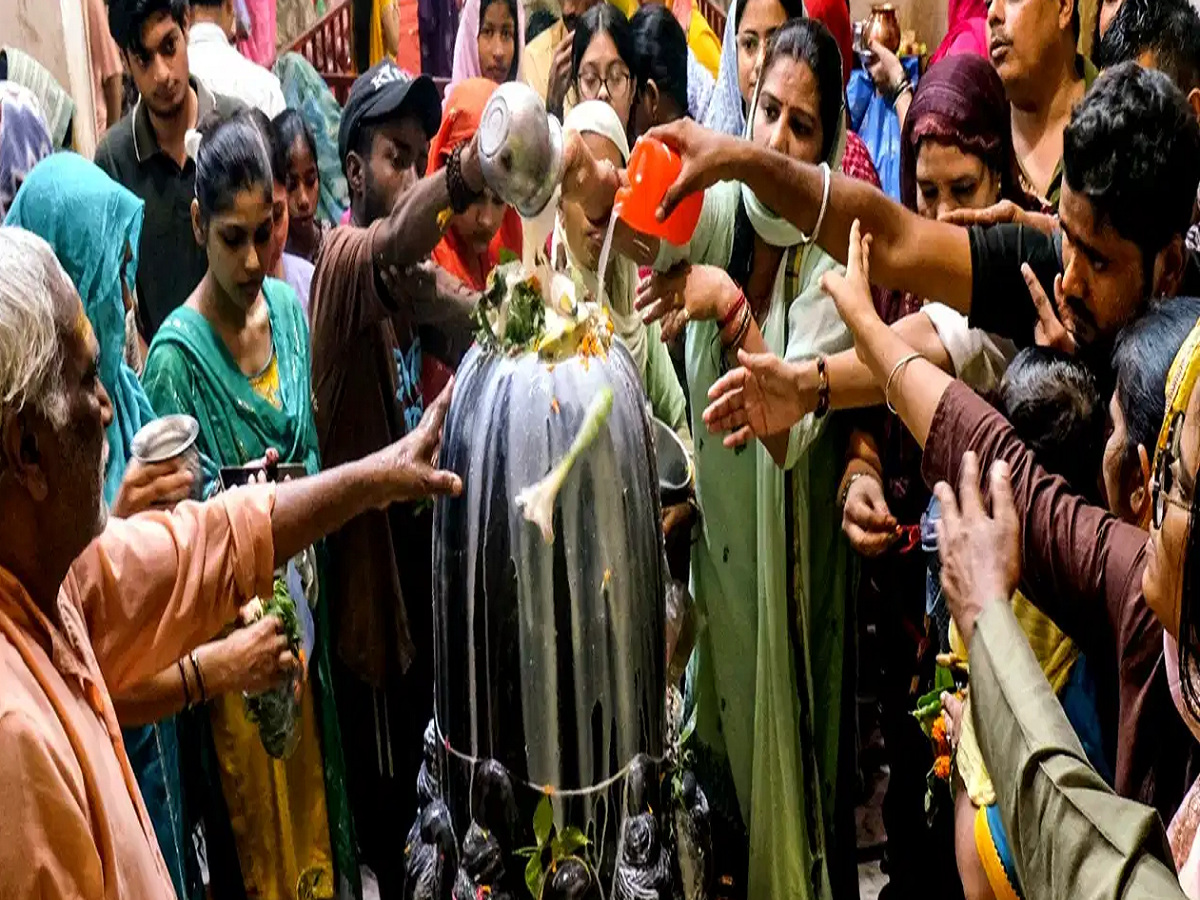
This story is traditionally linked with the practice of offering water to Shiva, particularly during Sawan.
Why is Shiva worshipped so much during Sawan?
Sawan falls within the broader Chaturmas period, which has special significance in Hindu traditions.
According to religious belief, Lord Vishnu enters a period of yogic sleep during Chaturmas. During this time, Lord Shiva is traditionally regarded as having a particularly important role in maintaining the cosmic order.
There is also a belief among devotees that Shiva's presence is especially close to the earthly realm during Sawan.
Kankhal near Haridwar also has a special connection with Shiva traditions and mythology. It is associated with the story of Sati and the famous Daksha Yajna.
Why do devotees begin the 16 Monday fast in Sawan?
The significance of beginning the 16 Somwar Vrat during Sawan comes from the combination of several religious beliefs associated with Lord Shiva, Goddess Parvati, their divine union and the Samudra Manthan.
For devotees, the fast is not simply about avoiding food. It is also considered a period of prayer, self-discipline and devotion.
Whether someone chooses to observe the 16 Monday fast should ultimately depend on their personal faith and family or regional tradition. Those who have health conditions or dietary restrictions should also consult a healthcare professional before undertaking prolonged fasting.