LIFESTYLE
Breastfeeding After IVF: Can Fertility Treatment Affect Milk Supply? Know What Experts Say
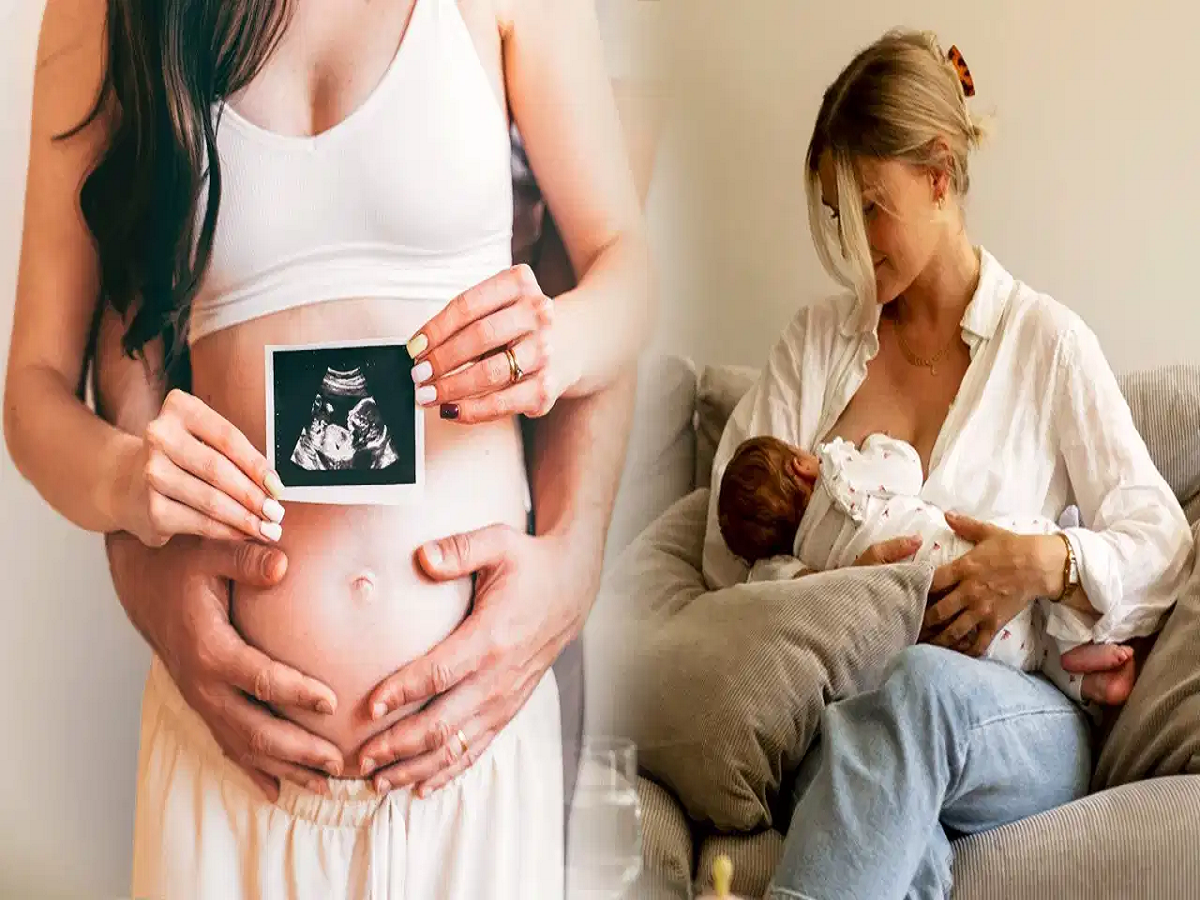
IVF has helped many couples achieve their dream of becoming parents. However, women who conceive through IVF often have questions about their health after pregnancy, including whether they will be able to breastfeed normally.
One common concern is whether the hormonal medicines used during IVF can affect breast milk production. According to experts, undergoing IVF does not automatically mean a woman will have difficulty breastfeeding.
Can IVF medicines affect breastfeeding?
During IVF treatment, women may receive different hormonal medicines to stimulate ovulation and support the early stages of pregnancy. These medicines are generally used during specific phases of fertility treatment and are adjusted or discontinued as the pregnancy progresses, depending on the treatment plan.
The ability to produce breast milk after delivery depends largely on hormonal changes that occur during and after childbirth. Therefore, having conceived through IVF does not by itself mean that a woman will have low milk production.
How does the body produce breast milk?
After the baby is born and the placenta is delivered, pregnancy-related hormone levels change. Prolactin plays an important role in stimulating milk production, while oxytocin helps with the release or flow of milk.
When the baby suckles at the breast, these hormonal signals are stimulated. This basic process occurs whether the pregnancy happened naturally or through assisted reproductive treatment.
What can actually affect breastfeeding?
Some women who become pregnant through IVF may experience breastfeeding challenges, but these difficulties may be linked to other pregnancy or delivery factors rather than IVF itself.
Factors such as a caesarean delivery, premature birth, multiple pregnancy, gestational diabetes, high blood pressure or other complications can sometimes affect the start of breastfeeding.
The mother's age and the baby's health can also influence how easily breastfeeding gets established.
What helps breastfeeding get off to a good start?
Several practices can support successful breastfeeding after delivery:
-
Starting breastfeeding as early as possible after birth when medically appropriate.
-
Maintaining skin-to-skin contact between mother and baby.
-
Ensuring the baby has a proper latch.
-
Keeping the mother and baby together whenever possible.
-
Breastfeeding frequently according to the baby's needs.
Early guidance from healthcare professionals can also be helpful, especially for first-time mothers.
Can IVF mothers breastfeed normally?
Yes. In most cases, women who conceive through IVF can breastfeed just like women who conceive without fertility treatment.
If milk production appears low, the baby has difficulty latching, breastfeeding is painful, or the baby is not gaining weight appropriately, it is important to seek help early from a doctor or qualified lactation professional.
The method of conception does not determine whether a mother can breastfeed. Proper support, timely feeding and addressing any pregnancy or delivery-related complications are much more important factors.