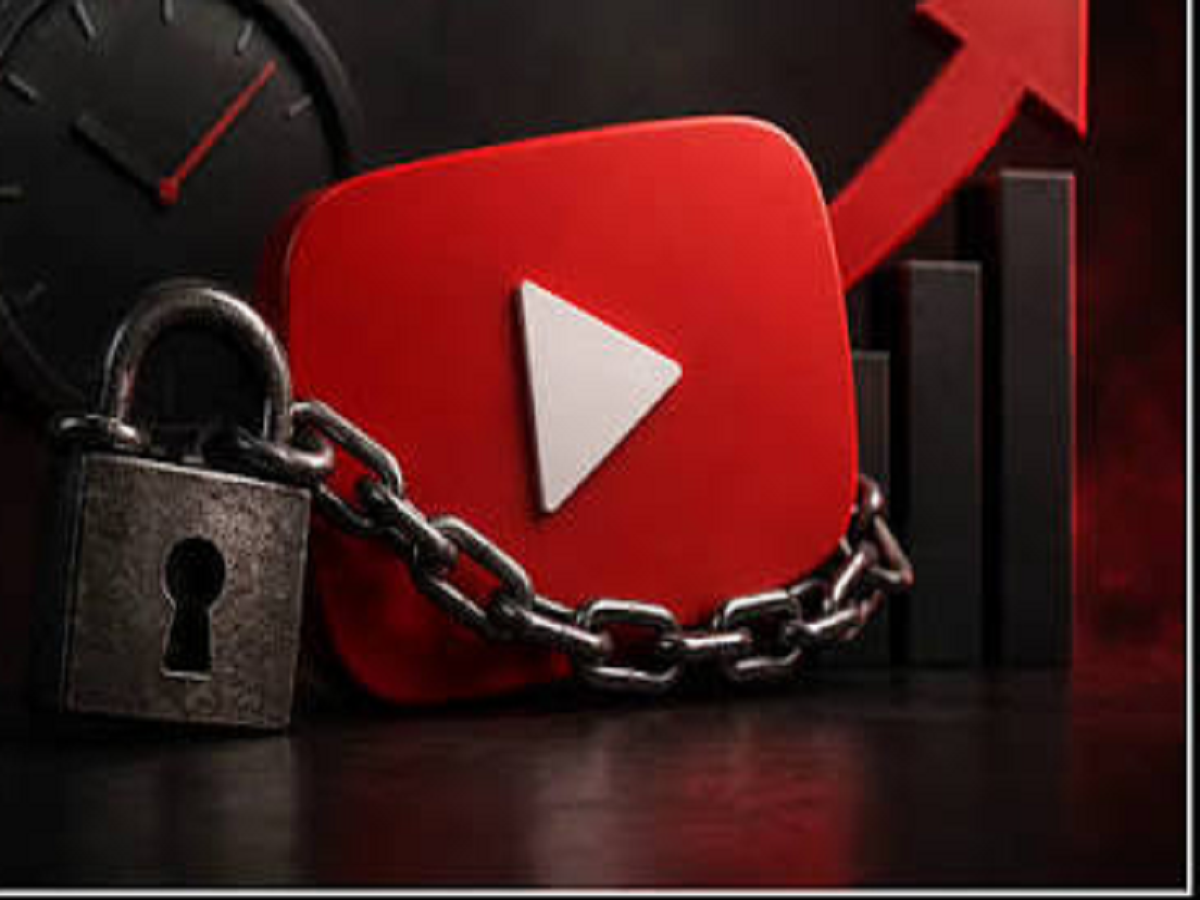
YouTube creators hoping to earn money from their videos could soon face a more challenging path. The video-sharing platform is reportedly introducing changes to its monetisation system, with some measures beginning in August 2026 and additional changes expected in early 2027.
The development is particularly important for smaller and emerging creators who depend on the YouTube Partner Program to generate advertising revenue from their content.
Why YouTube Creators Are Paying Attention
Building a successful YouTube channel requires more than uploading videos. Creators must meet the platform's eligibility requirements before they can access monetisation benefits and start earning through eligible content.
According to the information provided, YouTube is now making changes that could raise the bar for monetisation. While certain updates are scheduled to take effect this month, other requirements are expected to arrive next year.
This means creators working towards monetisation may need to reconsider their content strategy and focus more closely on building a consistent audience.
Monetisation Could Become More Challenging
For new creators, achieving the required subscriber count, watch time or Shorts performance can already take considerable effort.
If eligibility requirements become stricter, channels may have to generate substantially more engagement before becoming eligible to earn through the platform.
The changes could have a particularly noticeable impact on creators who are still developing an audience. Established channels with strong and consistent viewership may be better positioned to adapt, while smaller channels could require additional time to reach the required benchmarks.
Shorts Creators Could Also Feel the Impact
YouTube Shorts has become an important route for creators who prefer short-form vertical videos instead of traditional long-form content.
A tougher monetisation threshold could therefore affect not only creators publishing longer videos but also channels relying heavily on Shorts for audience growth.
Creators may increasingly need to think beyond occasional viral videos and concentrate on producing content that attracts viewers repeatedly.
Original Content Is Becoming Increasingly Important
YouTube has also been paying greater attention to the originality and value of monetised content.
For creators, this makes it increasingly important to add genuine value instead of relying heavily on repetitive, mass-produced or minimally altered material.
Videos containing original commentary, useful information, meaningful editing, personal expertise or distinctive presentation may be better positioned as platforms continue tightening their monetisation standards.
What Should Creators Do Now?
Creators should avoid making sudden decisions based only on concerns about upcoming rules. Instead, they can use the transition period to strengthen their channels.
Publishing consistently, improving thumbnails and titles, understanding audience retention and creating videos around subjects viewers genuinely want to watch can help build stronger engagement.
Creators focusing on long-form videos can work on improving watch time, while Shorts-focused channels can concentrate on retaining viewers and encouraging them to return for future uploads.
It is also sensible for creators to regularly check the monetisation section of YouTube Studio for the eligibility requirements that apply to their own channel.
Why the Changes Matter
YouTube has developed into a major source of income for creators, educators, entertainers and digital publishers. Any significant change to monetisation eligibility can therefore affect thousands of people trying to turn their channels into sustainable businesses.
Higher requirements could make entry more difficult, but they could also push creators towards stronger audience engagement and more original content.
Bottom Line
YouTube's monetisation landscape appears set for another round of changes, with updates beginning in August 2026 and further measures expected in 2027.
For aspiring creators, the message is clear: simply uploading a large number of videos may not be enough. Building an engaged audience, producing original material and consistently delivering content people want to watch could become even more important as YouTube's earning requirements evolve.