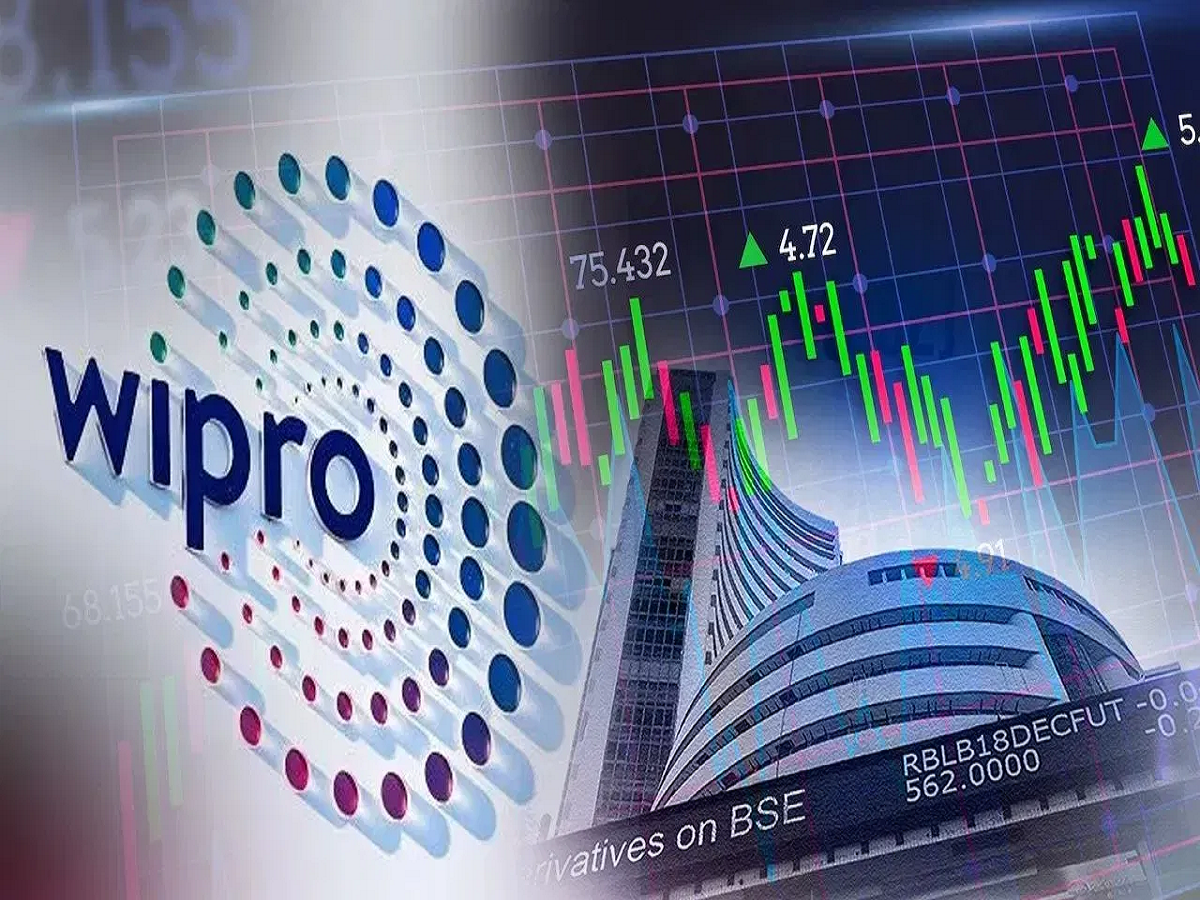
Wipro’s ₹15,000 crore buyback announcement at ₹250 per share looks attractive at first glance. With the market price hovering around ₹204–₹210, it appears like an easy profit opportunity. But the actual money you’ll make is very different once you understand the full math behind it.
The “On Paper” Profit
At face value, the calculation is simple:
- Buyback price: ₹250
- Market price: ~₹210
- Profit per share: ~₹40
So if all your shares were accepted:
- 50 shares → ₹2,000 profit
- 100 shares → ₹4,000 profit
- 500 shares → ₹20,000 profit
Sounds great—but this is not how it plays out in reality.
The Real Game: Acceptance Ratio
In buybacks, companies do not buy all the shares you offer. This is where the acceptance ratio becomes crucial.
Historically, for retail investors, acceptance ratios are usually around 15–25%.
Let’s assume a 20% acceptance:
- If you tender 100 shares → only ~20 shares accepted
- Profit = 20 × ₹40 = ₹800 (not ₹4,000)
Similarly:
- 50 shares → ~10 accepted → ₹400 profit
- 500 shares → ~100 accepted → ₹4,000 profit
So the actual profit drops sharply.
Tax Cuts Your Profit Further
This profit is also taxable under short-term capital gains (STCG) at 20%.
Example:
- Profit: ₹800
- Tax (20%): ₹160
- Final profit: ₹640
For ₹4,000 profit:
- Tax: ₹800
- Net profit: ₹3,200
What About Remaining Shares?
The shares that are not accepted remain in your Demat account. Their value will depend on market price, which often drops after buyback announcements.
Final Verdict
Wipro’s buyback is not a guaranteed jackpot—it’s a calculated opportunity.
- Yes, there is profit potential
- But actual gains depend heavily on acceptance ratio
- Taxes further reduce returns
- Market price risk remains for unaccepted shares