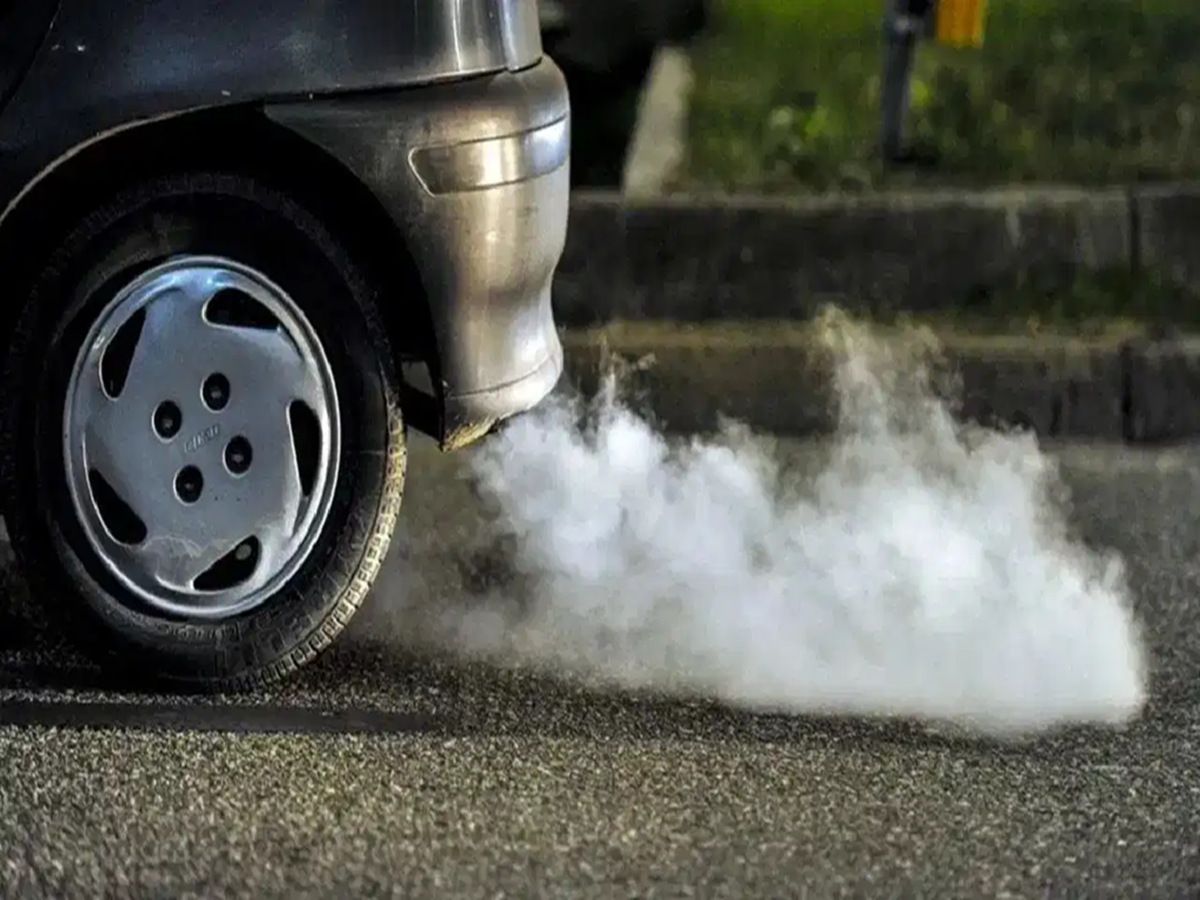
Diesel cars once dominated the Indian automobile market, accounting for nearly half of all new car sales a decade ago. Today, however, the landscape has changed dramatically. With the growing popularity of petrol, hybrid, and electric vehicles, diesel's market share has steadily declined. The upcoming Bharat Stage 7 (BS7) emission norms could further accelerate this shift.
While many buyers are wondering if diesel cars will disappear completely, the answer isn't that straightforward.
What Is BS7?
BS7 (Bharat Stage 7) will be India's next-generation vehicle emission standard, designed to further reduce pollution from automobiles. Although the government has not officially announced an implementation date, Union Road Transport Minister Nitin Gadkari has urged automakers to begin preparing for the new regulations.
Industry expectations suggest BS7 could arrive within the next two to three years, though the final timeline is yet to be confirmed.
Will Diesel Cars Be Banned?
As of now, there is no official plan to ban diesel cars in India.
However, meeting BS7 standards will require manufacturers to make significant upgrades to diesel engines. These improvements may include:
-
More advanced emission control systems
-
Larger and more efficient particulate filters
-
Upgraded exhaust treatment technology
-
Increased use of AdBlue systems
-
Further engine refinements to reduce emissions
These changes are expected to increase manufacturing costs, which could make diesel vehicles more expensive for buyers.
Which Diesel Models Could Be Affected?
Automakers have not officially confirmed which diesel models may be discontinued, but several popular vehicles are expected to require major upgrades to comply with BS7.
Models likely to face significant updates include:
-
Toyota Innova Crysta (2.4-litre diesel)
-
Toyota Fortuner (2.8-litre diesel)
-
Tata Harrier (2.0-litre diesel)
-
Tata Safari (2.0-litre diesel)
-
Jeep Compass (2.0-litre diesel)
-
Jeep Meridian (2.0-litre diesel)
-
MG Hector (2.0-litre diesel)
-
Mahindra models powered by the 2.2-litre mHawk diesel engine
Whether these engines continue or are replaced will depend on each manufacturer's future product strategy.
Why Automakers Are Looking Beyond Diesel
Instead of investing heavily in next-generation diesel technology, many manufacturers are expanding their portfolios with cleaner alternatives, including:
-
Electric vehicles (EVs)
-
Strong hybrid cars
-
Plug-in hybrid electric vehicles (PHEVs)
Plug-in hybrids combine a petrol engine with a rechargeable battery, allowing short-distance electric driving while eliminating range anxiety during longer trips. Many experts believe these technologies will gradually replace diesel in several vehicle segments.
Should You Still Buy a Diesel Car?
A diesel vehicle can still be a practical choice if you:
-
Drive long distances regularly
-
Spend most of your time on highways
-
Need strong torque for heavy usage
-
Cover high annual mileage
However, if you're planning to keep your next car for eight to ten years or longer, it may be worth considering hybrid or electric options, as the industry is steadily moving toward cleaner technologies.
The Bottom Line
BS7 does not currently mean the end of diesel cars. There is no official announcement banning diesel vehicles, and the new emission norms have not yet been finalized. However, stricter regulations are likely to make diesel engines more expensive to produce, prompting many manufacturers to shift their focus toward hybrid and electric vehicles in the years ahead.