LIFESTYLE
7 Winter Habits That Could Put Your Health at Risk: Avoid These Common Mistakes to Stay Healthy
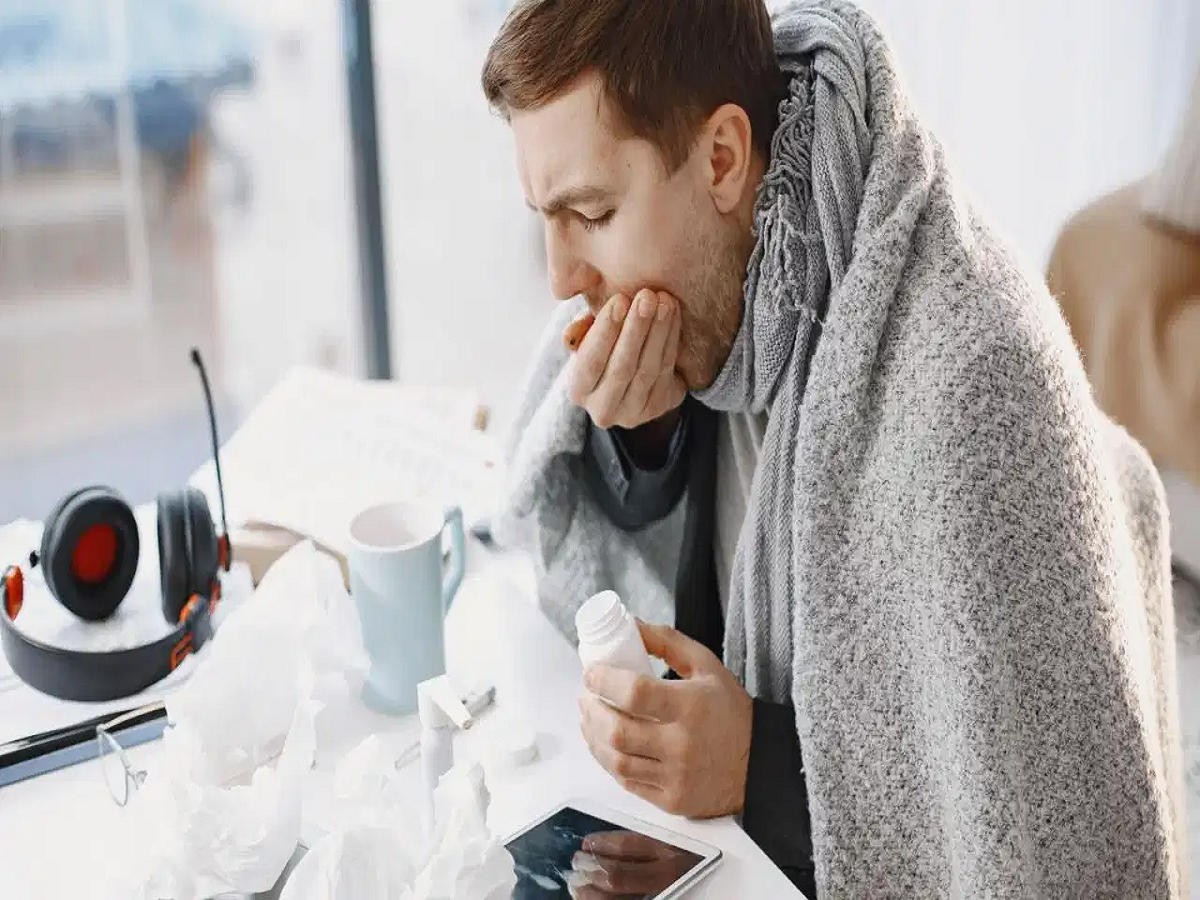
As temperatures begin to drop, health problems such as colds, coughs, sore throats and respiratory infections become increasingly common. Children, older adults and people with existing respiratory conditions need to be particularly careful during the winter season.
Although cold weather itself does not directly cause viral infections, seasonal changes can influence how viruses spread. Spending more time indoors, poor ventilation and close contact with other people can increase the chances of catching respiratory infections.
Interestingly, some everyday habits that people commonly follow during winter can also affect their health. From drinking less water to ignoring early symptoms, these mistakes can make it harder to stay healthy during colder months.
Here are seven winter habits you should avoid.
1. Wearing Inadequate Clothing in Cold Weather
One common mistake is not dressing appropriately when temperatures fall, particularly during early mornings and late evenings.
Exposure to cold temperatures can cause discomfort and put additional stress on the body. People with existing heart or respiratory conditions may need extra precautions.
Wearing multiple layers of clothing is a practical way to stay warm. Cover your head, neck and hands when necessary, especially when stepping outside during particularly cold weather.
2. Drinking Less Water Throughout the Day
Many people naturally reduce their water intake during winter because they do not feel as thirsty as they do in summer.
However, the body continues to lose fluids through breathing, sweating and normal bodily functions, even in colder weather.
Inadequate hydration can contribute to dry skin, dry mouth and dehydration. It may also make the throat and nasal passages feel uncomfortable.
Make sure you drink sufficient water throughout the day. Warm water, soups and other nutritious fluids can also help maintain hydration.
3. Ignoring Hand Hygiene
Respiratory viruses can spread through respiratory droplets and contaminated hands or surfaces.
During winter, people often spend more time in crowded indoor environments, increasing opportunities for infections to spread.
Wash your hands regularly with soap and water, particularly after returning from crowded places, using public transport or before eating.
Avoid touching your eyes, nose and mouth with unwashed hands. These simple hygiene practices can help reduce the risk of infections.
4. Keeping Rooms Completely Closed Without Ventilation
Keeping windows and doors shut helps retain warmth during winter. However, poor ventilation can allow respiratory particles to accumulate indoors.
When several people spend extended periods in a closed room, the chances of respiratory infections spreading may increase.
Whenever outdoor air quality and weather conditions permit, allow fresh air to circulate through your home.
Proper ventilation is particularly important in offices, classrooms and other shared indoor spaces.
5. Ignoring Early Signs of Illness
Sneezing, sore throat, coughing, fever and a runny nose are common symptoms during winter.
Many people continue their daily routines without paying attention to these warning signs. However, persistent or worsening symptoms may require medical evaluation.
Take adequate rest, maintain hydration and monitor your symptoms. If you develop breathing difficulties, a persistent high fever or worsening respiratory symptoms, consult a doctor.
People with existing medical conditions should be especially careful about unusual changes in their health.
6. Compromising on Sleep and Nutrition
Changes in daily routines during winter can sometimes affect sleep patterns and eating habits.
However, inadequate sleep and poor nutrition can negatively affect normal immune function, making it harder for the body to maintain its defences.
Try to maintain a consistent sleeping schedule and get sufficient rest.
Include a variety of nutritious foods in your daily diet, such as:
-
Seasonal fruits and vegetables.
-
Green leafy vegetables.
-
Nuts and seeds.
-
Whole grains and pulses.
-
Protein-rich foods such as eggs, milk and legumes.
A balanced diet provides essential nutrients that support normal immune system functioning.
7. Taking Medicines Without Consulting a Doctor
Self-medication is another common mistake during the winter season.
People often start taking antibiotics whenever they experience a cough, cold or sore throat. However, most common colds are caused by viruses, and antibiotics do not work against viral infections.
Unnecessary antibiotic use can contribute to antibiotic resistance and cause unwanted side effects.
Avoid taking antibiotics without medical advice. If symptoms are severe, persistent or unusual, consult a healthcare professional for the appropriate treatment.
Who Should Be Extra Careful During Winter?
Although everyone should follow basic winter health precautions, certain groups may be more vulnerable to complications.
These include:
-
Older adults, particularly those with existing medical conditions.
-
Young children and infants.
-
People with asthma or COPD.
-
Individuals with heart-related conditions.
-
People with weakened immune systems.
People in these groups should follow their doctor's recommendations regarding seasonal vaccinations, including influenza and other recommended vaccines.
Warning Signs That Require Medical Attention
Some winter illnesses can become serious, particularly when respiratory symptoms worsen.
Seek medical attention if you experience persistent high fever, difficulty breathing, chest pain, severe weakness or symptoms that continue to deteriorate.
Do not delay emergency care if you experience significant breathing difficulties or severe chest discomfort.
Final Words
Staying healthy during winter is not just about wearing warm clothes. Everyday habits such as maintaining hydration, eating nutritious food, getting sufficient sleep and practising good hygiene also play an important role.
Avoiding these seven common mistakes can help reduce your risk of seasonal infections and support your overall health. A few simple precautions can make the winter season safer and more comfortable for you and your family.