LIFESTYLE
Why Do Snakes Hide Inside Termite Mounds and Anthills? 5 Interesting Reasons You Should Know
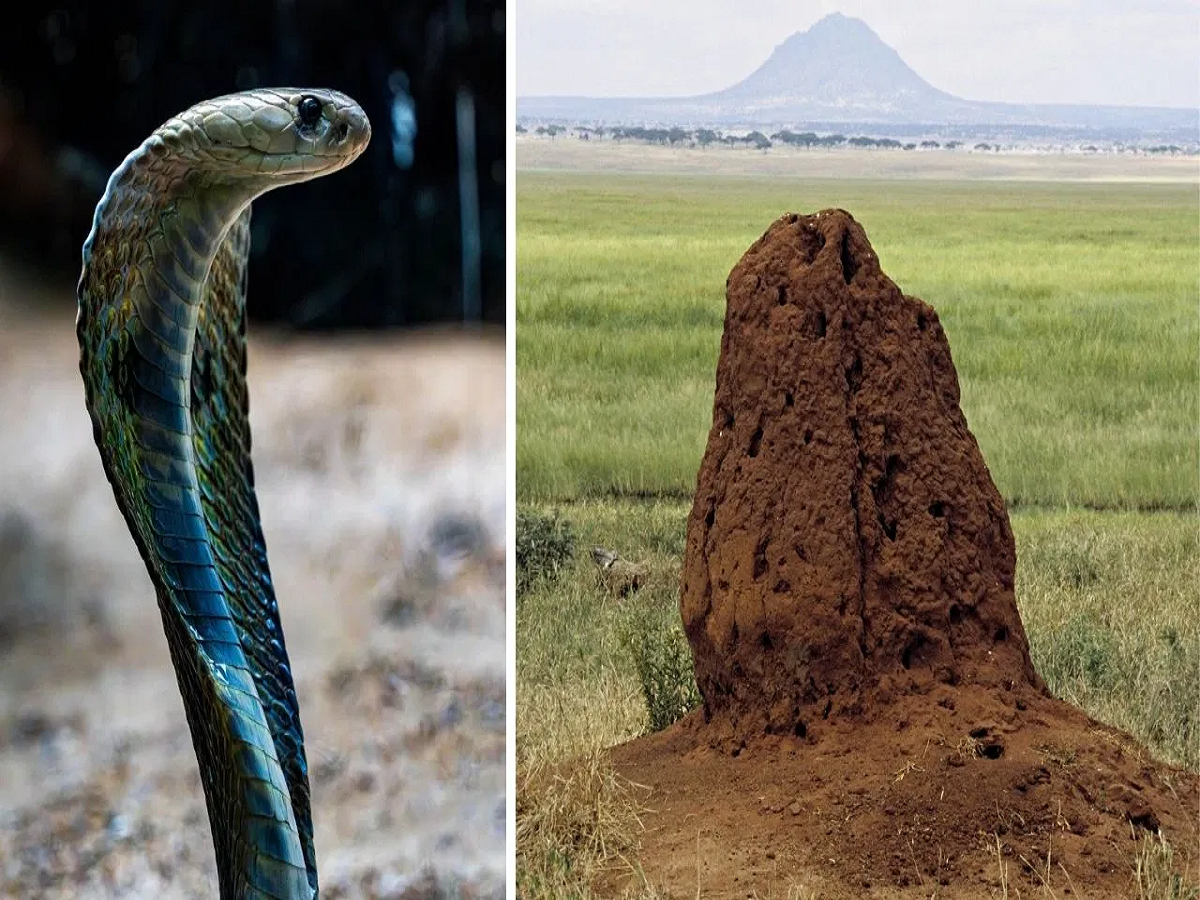
Snakes are fascinating creatures that can survive in a variety of natural environments. They are often spotted hiding inside termite mounds, anthills and abandoned underground burrows. While many people believe that snakes build their homes inside these structures, the reality is quite different. These places offer snakes several advantages, including protection, shelter and access to food.
Here are five interesting reasons why snakes are commonly found inside termite mounds and anthills.
1. An Easy Source of Food
One of the main reasons snakes visit termite mounds and underground burrows is the availability of prey. These places can attract small animals such as lizards, frogs, rodents and insects. Some snake species also feed on other small creatures found around these habitats. This makes such locations useful hunting grounds.
2. Protection From Extreme Temperatures
Snakes are cold-blooded animals, meaning their body temperature depends largely on their surroundings. Termite mounds and underground tunnels often maintain more stable temperatures than the exposed environment. During extremely hot or cold weather, these structures can provide snakes with a comfortable place to regulate their body temperature.
3. A Safe Hiding Place From Predators
Termite mounds and abandoned burrows often contain narrow passages and interconnected tunnels. These structures provide snakes with hiding spaces where they can escape from potential predators, including birds of prey, mongooses and larger animals. The underground environment also helps them remain hidden from human activity.
4. Abandoned Termite Mounds Provide Shelter
Snakes generally do not establish their homes inside active termite colonies. Instead, they may use abandoned termite mounds and anthills as temporary shelters or resting places. These structures offer ready-made underground spaces, saving snakes the effort of finding or creating suitable hiding spots.
Some smaller snake species may also enter active insect colonies to hunt for eggs or larvae, depending on their feeding habits.
5. King Cobras Build Their Own Nests
Unlike most snakes, which use naturally available shelters, king cobras display a unique nesting behaviour. Female king cobras collect dry leaves, twigs and other vegetation to construct nests for their eggs. They create these nests using surrounding materials and may guard them during the incubation period.
Why Are Termite Mounds Attractive to Snakes?
Termite mounds and abandoned underground burrows offer a combination of shelter, relatively stable temperatures and protection from predators. These natural structures make suitable hiding places for several snake species.
However, not every mound contains a snake, and snakes do not necessarily live permanently in these locations. If you encounter a snake near an anthill or termite mound, avoid disturbing it or attempting to catch it. Maintain a safe distance and contact a trained snake rescuer if necessary.