LIFESTYLE
Air Pollution Is Damaging Your Skin Too! Experts Reveal How Poor AQI Can Cause Premature Ageing
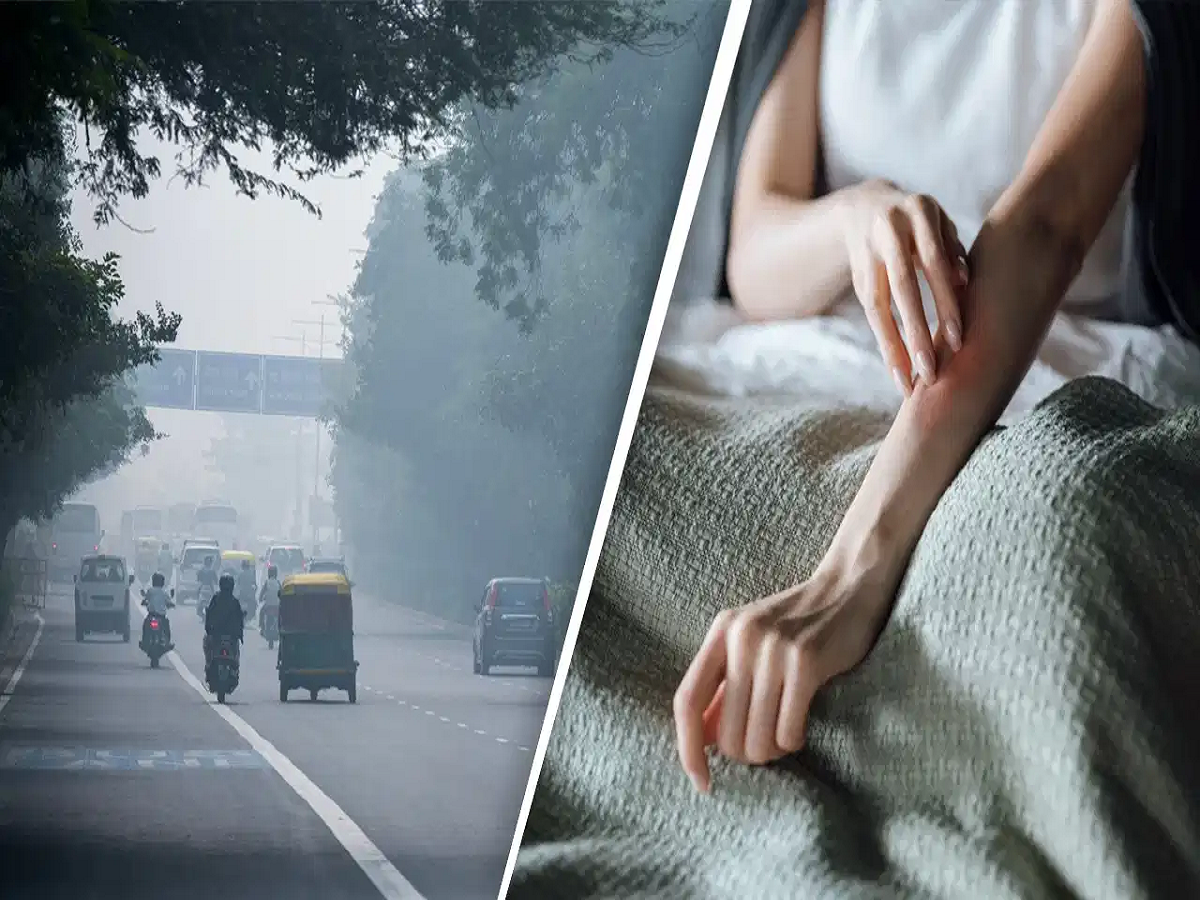
Rising air pollution has become a major health concern, particularly in cities where the Air Quality Index (AQI) has crossed 300 in several areas. While polluted air is commonly associated with respiratory problems, its harmful effects are not limited to the lungs. Continuous exposure to polluted air can also damage the skin, increase sensitivity and contribute to premature ageing.
But can breathing polluted air every day really make your skin look older? According to health experts, prolonged exposure to air pollution can accelerate certain skin-ageing processes, although the effects may vary from person to person.
Dr Prashant Saxena, Chairperson of Respiratory Diseases and Critical Care, Sleep Medicine, Allergy and Lung Transplantation at Artemis Hospital, explains that long-term exposure to pollution can contribute to premature ageing and other health concerns.
1. How Does Poor AQI Affect Your Skin?
Air pollution contains tiny particles such as PM2.5 and PM10, along with various harmful chemicals. These pollutants can settle on the surface of the skin and contribute to damage to its natural protective barrier.
When the skin barrier becomes weak, it struggles to retain moisture effectively. This can result in dryness, itching, irritation and increased skin sensitivity. People who already have sensitive skin may experience these problems more frequently.
2. Pollution Can Accelerate Premature Skin Ageing
One of the major ways pollution affects the skin is through oxidative stress. Exposure to pollutants can increase the production of free radicals, which damage skin cells.
This process can also affect collagen and elastin, two important proteins responsible for maintaining skin firmness and elasticity. When these proteins break down, the skin may gradually develop fine lines, wrinkles and a loss of firmness.
Therefore, prolonged exposure to polluted air may contribute to premature skin ageing.
3. Dullness, Dark Spots and Acne Can Also Occur
Continuous exposure to polluted air can make the skin appear dull and tired. Some people may also experience increased dryness, uneven skin tone and dark spots.
Pollution-related inflammation and oxidative stress may aggravate existing skin conditions, including acne and sensitivity. However, these effects can differ depending on skin type, environmental exposure and individual health.
4. Clean Your Face After Returning Home
One of the simplest ways to protect your skin is to cleanse your face after spending time outdoors. Use a gentle cleanser to remove accumulated dirt, sweat and pollutants without stripping away the skin's natural oils.
Avoid excessive washing or harsh scrubbing, as these can further weaken the skin barrier.
5. Use Moisturiser and Sunscreen Regularly
Moisturising is important because pollution can contribute to dryness and irritation. Choose a moisturiser according to your skin type to help maintain the skin's protective barrier.
Applying a broad-spectrum sunscreen with SPF 30 or higher is equally important. Sunscreen protects against harmful ultraviolet radiation, which can also contribute to premature ageing. Reapply it as recommended, especially when spending extended periods outdoors.
6. Include Antioxidant-Rich Foods in Your Diet
A healthy diet can support overall skin health. Include foods rich in antioxidants and vitamins, such as guava, oranges, amla, carrots, spinach and other green vegetables.
These foods provide nutrients that help the body manage oxidative stress and support normal skin function. Drinking enough water and maintaining a balanced diet are also important.
How Can You Protect Your Skin During High Pollution Levels?
When pollution levels are high, reducing direct exposure is one of the most effective precautions. Check the AQI before going outdoors, avoid unnecessary outdoor activities during severe pollution and use a well-fitted N95 mask when exposure cannot be avoided.
Remember, skincare products alone cannot completely protect your skin from polluted air. Combining proper cleansing, moisturising, sun protection and reduced exposure can help minimise the effects of pollution and maintain healthier skin.