BUSINESS
UPI Payment Rules: 7 Mistakes That Can Put Your Money at Risk — Check These Safety Tips Before Scanning Any QR Code
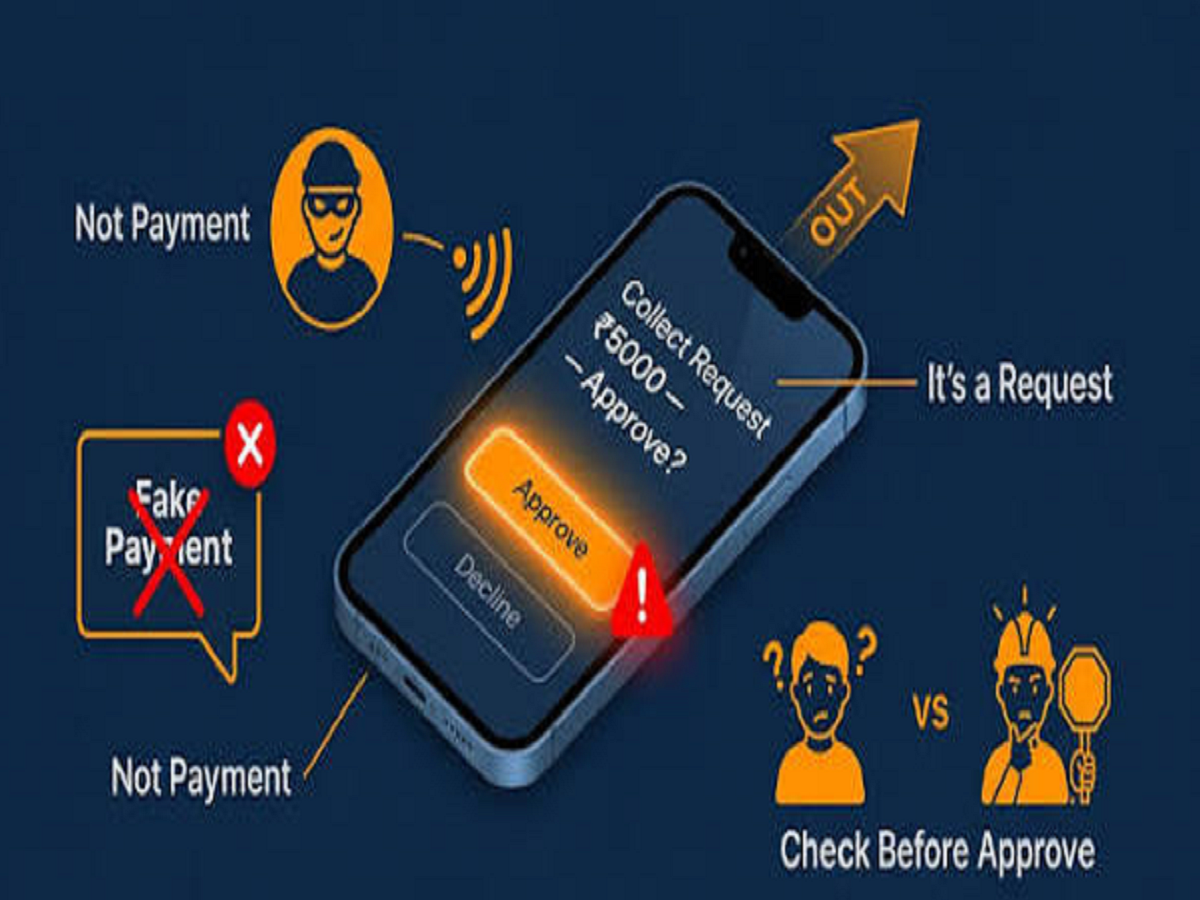
Digital payments have become a regular part of everyday life in India. From buying groceries to paying electricity bills and transferring money to friends, millions of people use the Unified Payments Interface (UPI) for quick transactions. However, the convenience of instant payments has also created opportunities for fraudsters to target unsuspecting users.
A few simple precautions can help you avoid common payment mistakes and protect your bank account. Before making your next UPI transaction, understand these seven important safety rules.
1. Never Enter Your UPI PIN to Receive Money
One of the most common misconceptions about digital payments is that you need to enter your UPI PIN to receive money.
You do not need to enter your UPI PIN simply to receive a payment. Your PIN is used to authorise transactions that debit money from your account.
If someone asks you to enter your PIN to receive a refund, prize or payment, stop and verify the request. It could be an attempt to trick you into approving a transaction.
2. Check the Recipient's Name Before Paying
Before entering your UPI PIN, carefully check the recipient's name and the amount displayed on the payment screen.
Fraudsters may share QR codes or payment details that appear similar to those of a genuine merchant. Even a small mistake can send money to the wrong account.
If the displayed recipient name does not match the person or business you intend to pay, cancel the transaction and confirm the details independently.
3. Do Not Scan Unknown QR Codes for Refunds
A QR code is generally used to initiate a payment, but scammers may falsely claim that scanning a code is necessary to receive a refund or cash reward.
Never scan an unfamiliar QR code simply because someone promises to send you money. Check what the payment application displays before proceeding, and do not authorise a debit transaction unless you intend to make it.
For a genuine refund, contact the merchant through its official customer support channel.
4. Never Share Your UPI PIN or OTP
Your UPI PIN and one-time passwords are confidential. Banks, payment applications and legitimate customer support representatives should not ask you to disclose your UPI PIN.
Avoid sharing OTPs with callers who claim that your bank account will be blocked unless you complete an urgent verification.
If you receive an unexpected OTP, do not share it or approve a transaction you did not initiate.
5. Be Careful When Using Screen-Sharing Apps
Some scammers persuade people to install remote-access or screen-sharing applications by pretending to offer technical support.
Once access is granted, fraudsters may attempt to view sensitive information, manipulate the device or persuade the victim to approve payments.
Install applications only from trusted sources, review their permissions and never follow remote-access instructions from an unverified caller claiming to represent your bank.
6. Do Not Assume a Failed Payment Means the Money Is Lost
Sometimes a UPI transaction shows as pending or failed even though money has been debited from the bank account.
In such cases, check the transaction status in your payment application and bank account before paying again. Repeating the transaction immediately could result in a duplicate payment.
If the money has been debited but the transaction has not been completed, follow the complaint or dispute procedure provided by your bank or payment application. Reversal timelines depend on the nature of the transaction and the applicable rules.
7. Report Suspected UPI Fraud Immediately
If you realise that you have made an unauthorised payment or been deceived by a scammer, act quickly.
Contact your bank and the payment application through their official channels. In India, you can also report suspected cyber financial fraud by calling the national helpline 1930 or visiting the official National Cyber Crime Reporting Portal at https://cybercrime.gov.in/.
Keep the transaction ID, payment details, screenshots and relevant messages available for the complaint. Reporting promptly may help authorities and financial institutions take timely action, although recovery of the money is not guaranteed.
What Should You Do Before Every UPI Payment?
Make these checks a habit:
-
Verify the recipient's name and payment amount.
-
Enter your UPI PIN only when you intend to authorise a payment.
-
Never disclose your PIN, password or OTP.
-
Avoid unknown QR codes and suspicious payment links.
-
Keep your payment applications and phone software updated.
-
Use official customer support channels if a transaction goes wrong.
Final Takeaway
UPI makes digital payments fast and convenient, but users must remain alert to scams that exploit trust and urgency. Checking the recipient's details, protecting your PIN and reporting suspicious transactions quickly can reduce the risk of financial loss.
The golden rule is simple: never approve a payment you do not understand, even if the person requesting it claims to represent a bank, merchant or government department.