INTERNATIONAL
UAE Faces Major Setback in Yemen: Saudi-Backed Governor Launches Operation Against STC
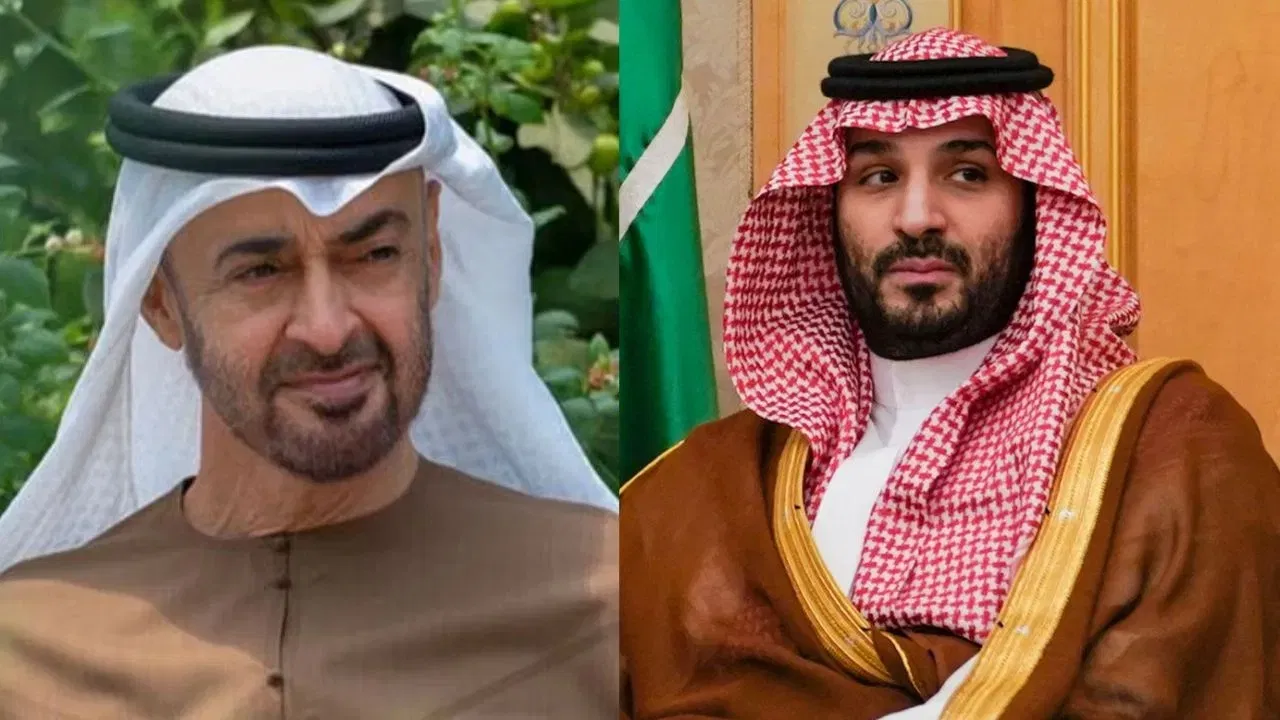
The United Arab Emirates has suffered a significant strategic setback in Yemen, as long-simmering tensions between Saudi Arabia and the UAE have now surfaced openly. In a move seen as a direct challenge to Emirati influence, the Saudi-backed Yemeni government has initiated action against the UAE-supported Southern Transitional Council (STC).
What exactly happened?
The governor of Yemen’s Hadramaut province, Salem Ahmed Saeed al-Khunbashi, announced a “peaceful military operation” to reclaim key military bases from the Southern Transitional Council, which is widely regarded as the UAE’s strongest proxy force in Yemen.
Although the governor stressed that the move is not a declaration of war, analysts say it marks a serious escalation and opens a new chapter in the Saudi–UAE proxy rivalry inside Yemen.
Why is this a blow to the UAE?
The UAE has long backed the STC as a counterweight to Yemen’s internationally recognised government, which is supported by Saudi Arabia. Any Saudi-backed action against the STC—especially in strategically vital Hadramaut—directly undermines Emirati influence on the ground.
The situation has become so tense that last week the United Arab Emirates announced the withdrawal of its remaining troops from Yemen. Reports suggest this decision followed strong Saudi pressure, with Riyadh demanding a rapid pullout within 24 hours.
Saudi–UAE rift now out in the open
While Saudi Arabia and the UAE entered Yemen together as allies, cracks in their partnership have been visible for years. Those differences became more pronounced in December and have now escalated into open confrontation.
Saudi Arabia continues to back Yemen’s internationally recognised government, while the UAE openly supports the STC, which seeks autonomy—or even independence—for southern Yemen.
Direct action against the STC
Governor al-Khunbashi said the operation would focus strictly on military targets and restoring law and order. Importantly, Yemen’s Saudi-backed government has granted him full military, security, and administrative control over the Homeland Shield Forces, strengthening his hand against the STC.
This move follows the STC’s seizure of large parts of southern Yemen last month—an advance Riyadh viewed as a serious threat to Yemen’s unity and Saudi interests.
Aden Airport turns into a new flashpoint
Tensions have also spilled over to Aden International Airport. Saudi Ambassador Mohammed al-Jaber accused STC chief Aidarous al-Zubaidi of blocking a plane carrying a Saudi delegation from landing, effectively halting airport operations.
Saudi Arabia claims it has repeatedly attempted dialogue, but alleges that the STC rejected all mediation efforts. Meanwhile, the STC-controlled transport ministry has countered by accusing Riyadh of imposing an air blockade.
What this means going forward
This confrontation highlights a deeper reality: the Yemen conflict is no longer just about the Houthis versus the Yemeni government. It has increasingly become a proxy battleground between Saudi Arabia and the UAE, two former allies with diverging regional ambitions.