BIZARRE
Strange Wedding Ritual: Why Brides Were Once Forced to Break Their Teeth Before Marriage in China
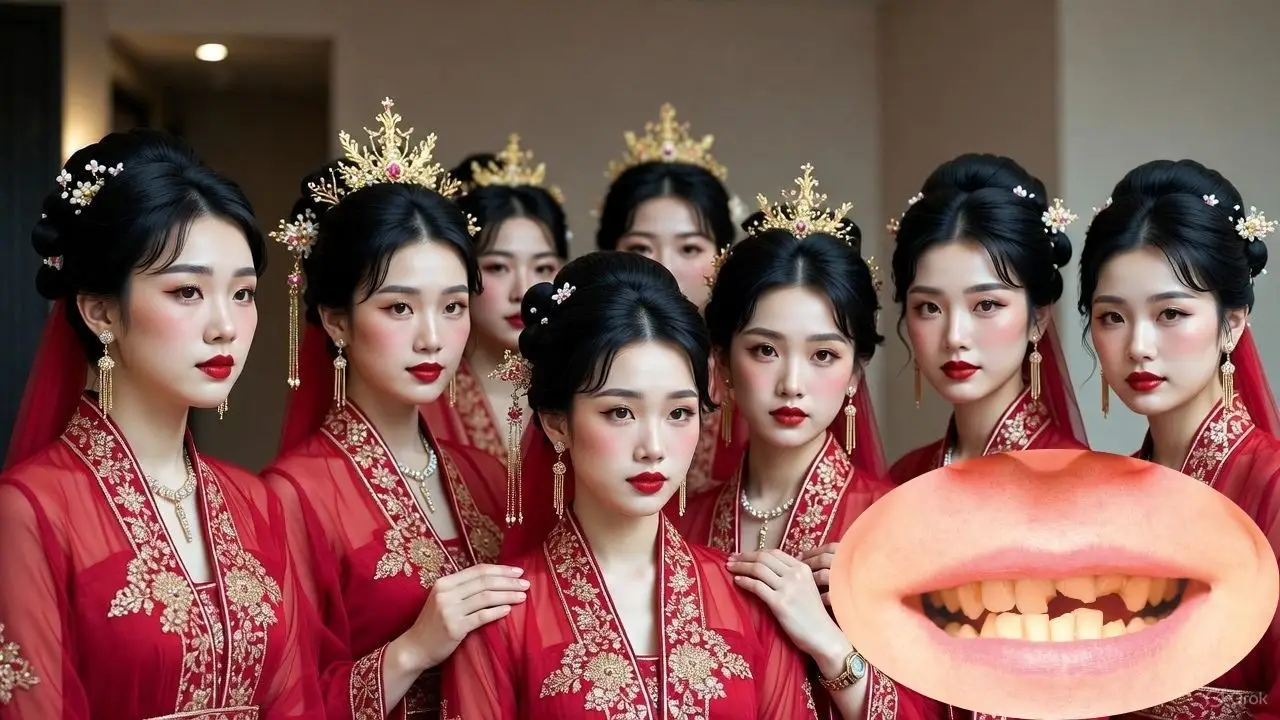
Across the world, marriage customs reflect deep-rooted beliefs, traditions, and social values. While some rituals celebrate beauty and togetherness, others can seem shocking or even painful by modern standards. One such unusual and now largely abandoned tradition belonged to China’s Gelao ethnic community, where brides were once required to have one or two of their upper front teeth deliberately broken before marriage.
This centuries-old practice, though difficult to imagine today, was once considered an essential part of wedding preparation. Over time, changing social attitudes, education, and awareness have led to its decline, but the ritual continues to fascinate historians and cultural observers.
Who Are the Gelao People?
The Gelao community is an ethnic group found primarily in southern China, particularly in the western regions of Guizhou province. Smaller populations of the Gelao people are also present in parts of Vietnam. According to official estimates, their population in China crossed 6.7 lakh in recent years.
Traditionally, the Gelao people have depended on agriculture for their livelihood, with rice being their staple crop. They have preserved many distinct cultural practices over generations, including unique clothing, festivals, and marriage rituals—one of which involved tooth removal for brides.
What Was This Pre-Wedding Ritual?
In the Gelao community, when a girl reached marriageable age—usually around 20 years—wedding preparations would begin. As part of these preparations, she was required to undergo a painful ritual in which one or two of her upper front teeth were intentionally broken.
This act was not symbolic but physical and irreversible. It was believed to be a mandatory step before marriage, and skipping it was considered unacceptable within the community. Women who did not follow this tradition were often seen as bringing bad luck to their future husband’s family.
Historical Evidence of the Practice
The origins of this ritual date back several centuries. Written references to the custom have been found in historical records from the Southern Song Dynasty, indicating that the practice existed hundreds of years ago. These records confirm that the tooth-breaking tradition was widely accepted and practiced within the Gelao society for a long period.
Why Were Brides’ Teeth Broken?
Several beliefs and folk stories are associated with this unusual custom. One popular legend tells the story of a young Gelao woman who fell from a cliff while gathering fruit for her community before her wedding. In the accident, she lost her front teeth. Her bravery and sacrifice impressed the community so deeply that the broken teeth came to symbolize courage, loyalty, and selflessness.
Over time, this story transformed into a social belief, and broken front teeth became associated with virtue and commitment to family and community. Eventually, the act evolved into a compulsory marriage ritual rather than a symbolic remembrance.
Who Performed the Ritual?
The process followed a strict ceremonial structure. Traditionally, the bride’s maternal uncle was given the honor of performing the ritual. Using a small hammer, he would break the teeth in a formal setting. If the maternal uncle was not alive, another male relative from the mother’s side of the family was chosen.
After the teeth were broken, medicinal herbal powder was immediately applied to the gums to prevent infection and reduce pain. Despite these measures, the ritual was known to be extremely painful and traumatic.
What Did the Community Believe?
The ritual was believed to bring prosperity, fertility, and good fortune to the bride’s future family. Some community members also associated it with beauty standards of the time, believing that broken teeth marked a woman’s readiness for marriage and adulthood.
However, with changing times, education, and exposure to modern healthcare and human rights perspectives, these beliefs gradually lost their influence.
Is the Practice Still Followed Today?
In modern times, this tradition has almost completely disappeared. The Gelao community, like many others, has moved away from practices that cause physical harm. Today, the ritual is remembered mainly as part of cultural history rather than a living tradition.
Community elders and historians now discuss it symbolically, acknowledging its place in the past while rejecting its continuation. The shift reflects a broader change toward valuing personal well-being, consent, and modern social values.
A Reflection on Changing Traditions
The Gelao tooth-breaking ritual serves as a powerful reminder of how cultural practices evolve. What was once seen as necessary and meaningful is now viewed through a critical lens. As societies progress, traditions are reassessed, ensuring that cultural identity is preserved without compromising human dignity and health.
This rare and painful custom may be fading into history, but it continues to spark important conversations about tradition, change, and the human cost of social beliefs.