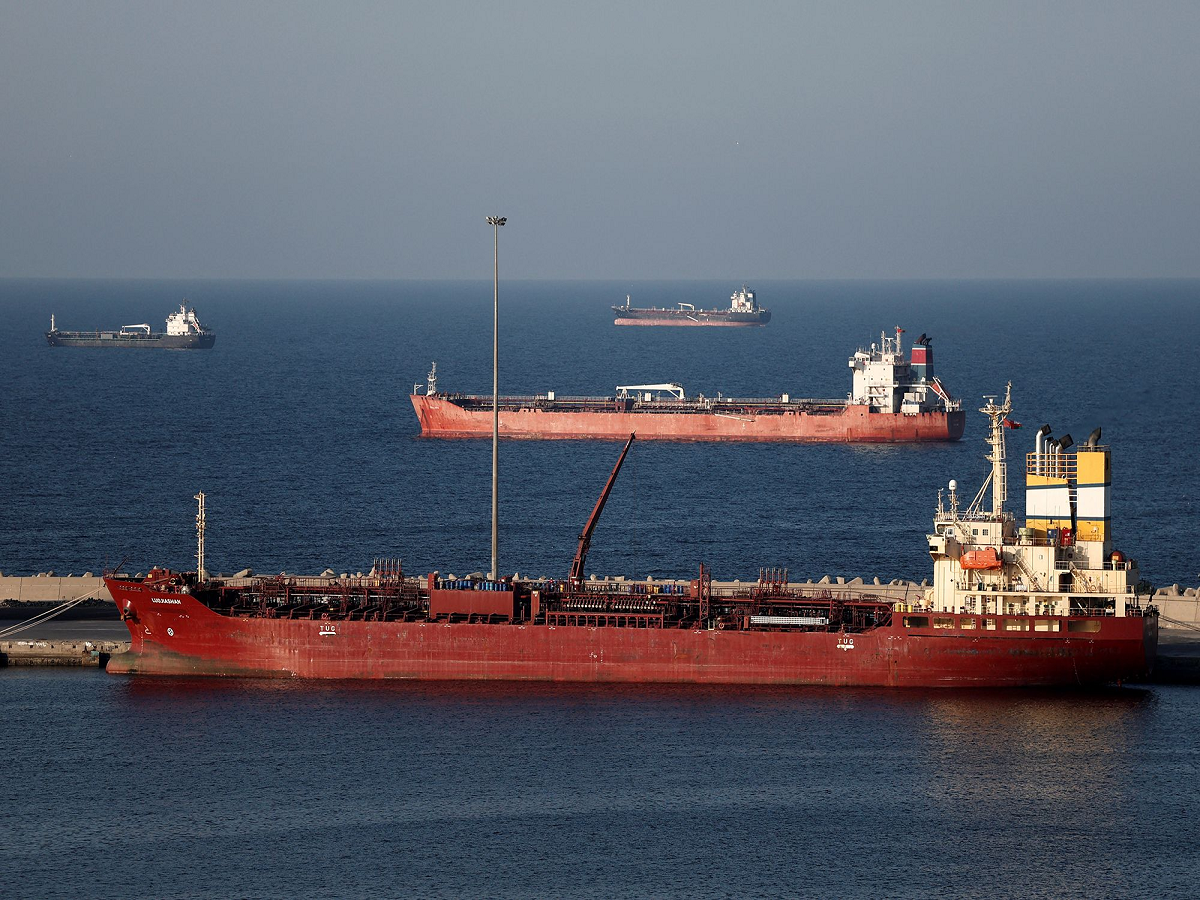
Tensions in the Middle East have escalated after reports suggested that Iran has begun placing naval mines in the Strait of Hormuz, one of the world’s most crucial energy shipping routes. Nearly one-fifth of global crude oil supplies pass through this narrow waterway, making any disruption a major concern for the global economy.
According to sources familiar with U.S. intelligence assessments, Iranian forces have recently deployed a limited number of mines in the strategic passage. While the number reportedly remains small so far, officials warn that the move could threaten international shipping if the operation expands.
Strategic Importance of the Strait
The Iran lies along the northern coast of the Strait of Hormuz, a narrow channel connecting the Persian Gulf to the Gulf of Oman and the Arabian Sea. Because many major oil-producing countries export crude through this route, any military activity there has global implications for energy markets.
Reports suggest that only a few dozen mines may have been placed so far. However, intelligence sources claim Iran still retains most of its small boats and mine-laying vessels, meaning it could rapidly deploy hundreds more mines if tensions intensify.
Iranian Military Capabilities in the Region
According to defense assessments, Iranian naval forces and military units operating in the area possess a range of capabilities designed for maritime warfare. These reportedly include small fast-attack boats, explosive-laden vessels, and shore-based missile systems capable of targeting ships.
Such capabilities could make navigation through the strait risky if hostilities escalate or if mine-laying operations expand further.
Warning Issued by the U.S. President
U.S. President Donald Trump addressed the issue in a social media statement, warning that Iran should remove any mines it may have deployed in the Strait of Hormuz.
Trump said that while the United States does not yet have confirmed evidence of large-scale mining operations, any attempt to block the waterway would face serious consequences. He added that removing the mines voluntarily would be viewed as a positive step toward reducing tensions.
U.S. Military Response
Following the president’s statement, U.S. Defense Secretary Pete Hegseth said that operations had been initiated by United States Central Command to monitor and respond to activities in the region.
According to official statements, U.S. naval forces have been conducting precision operations targeting vessels suspected of participating in mine-laying activities near the strait. Reports claim that several Iranian naval vessels involved in these operations have already been destroyed.
Shipping Route Faces Growing Risks
The ongoing conflict has made the Strait of Hormuz increasingly dangerous for commercial shipping. Iranian authorities had previously warned that ships attempting to pass through the area during hostilities could face attacks.
U.S. officials say naval forces are closely monitoring the situation and working on possible strategies to ensure safe passage for vessels. The United States has also deployed advanced mine-detection systems and naval ships in the area to maintain security in this vital maritime corridor.
Global Concerns Over Oil Supply
Because such a large portion of the world’s oil trade moves through the Strait of Hormuz, any prolonged disruption could lead to rising energy prices and supply concerns across global markets.