TECH
Smart Windows: The Revolutionary Technology That Could Make Buildings Cooler Without Air Conditioning
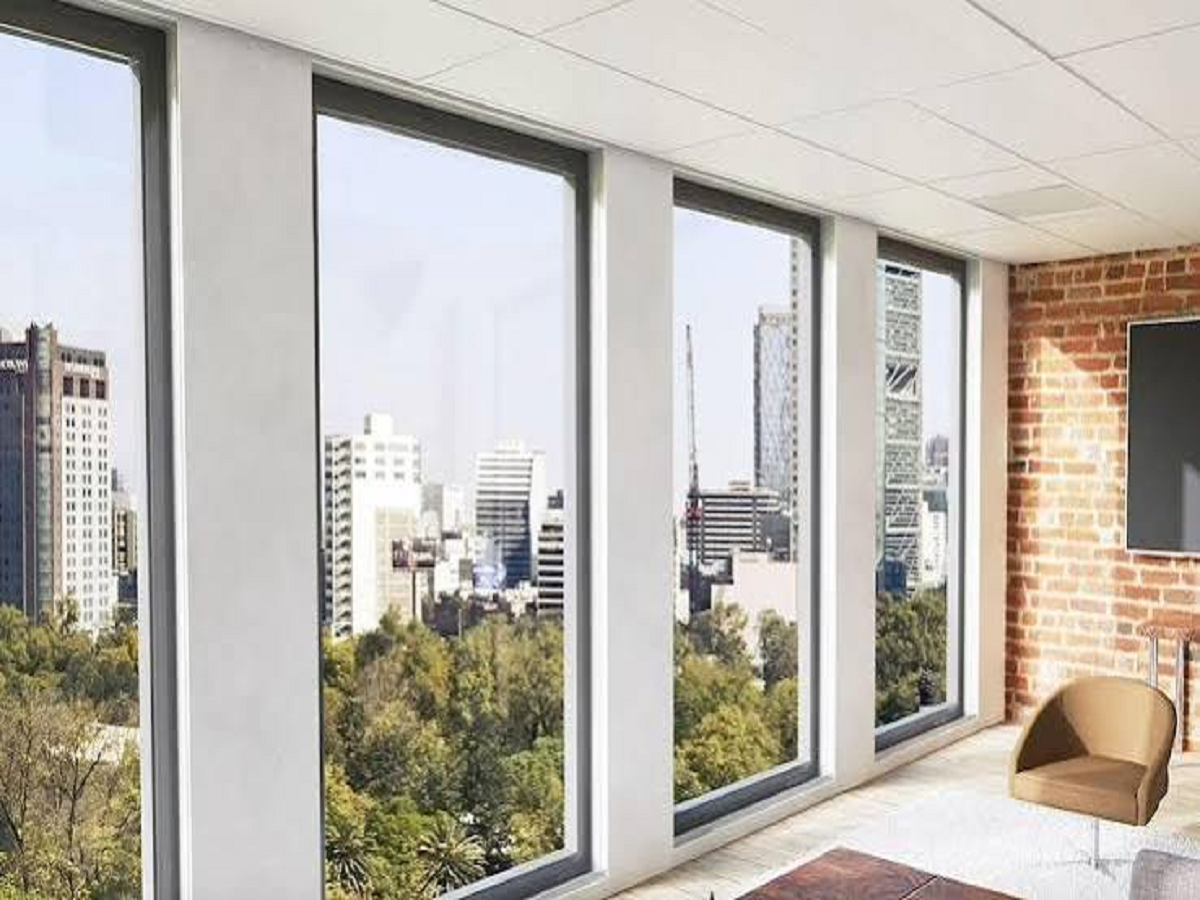
Imagine a window that automatically darkens when sunlight becomes intense, reduces indoor heat during summer, and becomes transparent again when natural light is needed. This is the promise of smart windows, an emerging building technology that could improve energy efficiency and make indoor spaces more comfortable.
As cities experience rising cooling demands and buildings consume significant amounts of electricity, smart windows are attracting attention from architects, engineers, and technology companies.
What Are Smart Windows?
Smart windows are specially designed windows that can change how much light or heat passes through their glass. Depending on the technology, they can adjust their transparency, tint, or solar heat transmission in response to sunlight, temperature, or an electrical signal.
Unlike ordinary tinted glass, which has a fixed appearance, some smart windows can change their properties when conditions change or when a user activates a control.
Their purpose is to manage daylight and solar heat more effectively without relying entirely on curtains, blinds, or mechanical cooling.
How Does Smart Window Technology Work?
Several technologies are used to create smart windows.
1. Electrochromic Glass
Electrochromic windows change their tint when a small electrical voltage is applied. Users or building management systems can adjust the glass to reduce glare and solar heat entering a room.
This technology is particularly useful in offices, hotels, and buildings with large glass façades.
2. Thermochromic Glass
Thermochromic materials respond to temperature changes. As the glass heats up, its optical properties can change, helping regulate the amount of solar energy entering a building.
Some designs operate passively, without requiring an electrical control signal.
3. Photochromic Glass
Photochromic materials respond to light intensity. They can darken when exposed to stronger light and become clearer when the light level decreases.
This principle is familiar from certain types of light-responsive eyewear and is also being explored for building applications.
4. Suspended Particle and Liquid Crystal Technologies
Some smart windows use electrically controlled particles or liquid crystals to alter their optical properties. Depending on the design, they can change transparency or provide privacy on demand.
These systems can be useful in meeting rooms, healthcare facilities, and modern homes.
Where Can Smart Windows Be Used?
Residential Buildings
Smart windows can help reduce glare in rooms receiving intense afternoon sunlight. They may also improve comfort by controlling solar heat entering through windows.
Commercial Offices
Office buildings often have extensive glass façades. Automatically adjusting window tint can help manage glare, improve working conditions, and reduce the cooling load under suitable conditions.
Hospitals and Hotels
Switchable privacy glass can allow a room to move between transparent and opaque states. This can reduce the need for conventional curtains or blinds in selected applications.
Cars and Aircraft
Smart glazing can help manage sunlight and glare in vehicle windows and roofs. Depending on the system, it can improve passenger comfort and reduce solar heat entering the cabin.
Can Smart Windows Reduce Electricity Bills?
Potentially, yes. Windows influence how much solar heat enters a building, which affects the workload of air conditioners.
By reducing unwanted heat gain and managing glare, smart windows may lower cooling requirements in suitable buildings. They can also help maintain useful daylight, potentially reducing artificial lighting needs.
However, the actual savings depend on several factors, including the local climate, window orientation, insulation, glass area, building design, electricity tariffs, and the control strategy.
Smart windows are not a complete replacement for air conditioning. They are one component of an energy-efficient building design.
What Are the Limitations?
Despite their benefits, smart windows face several practical challenges.
-
Higher initial cost compared with many conventional glazing options.
-
Differences in performance, tint range, and switching speed across technologies.
-
Possible electricity requirements and control-system maintenance.
-
Installation complexity, particularly when retrofitting existing buildings.
-
Performance trade-offs between daylight, visibility, privacy, and heat control.
In addition, some technologies may be more suitable for new construction than for existing buildings.
Are Smart Windows the Future of Green Buildings?
Smart windows could become an important part of buildings designed to use energy more efficiently. Combined with insulation, external shading, efficient air conditioning, and automated building controls, they can help reduce unnecessary heat gain.
Their growing relevance also reflects a wider trend in construction: materials are becoming more responsive to their surroundings instead of simply serving as passive structural components.
Conclusion
Smart windows demonstrate how an everyday building feature can become an intelligent energy-management system. By controlling sunlight, glare, and solar heat, these technologies offer a promising way to improve comfort and support more efficient buildings.
Although cost and performance considerations remain, continued advances in materials and controls could make smart glazing increasingly practical. In the future, the windows of a building may do much more than provide a view; they could actively help manage the building's energy use.