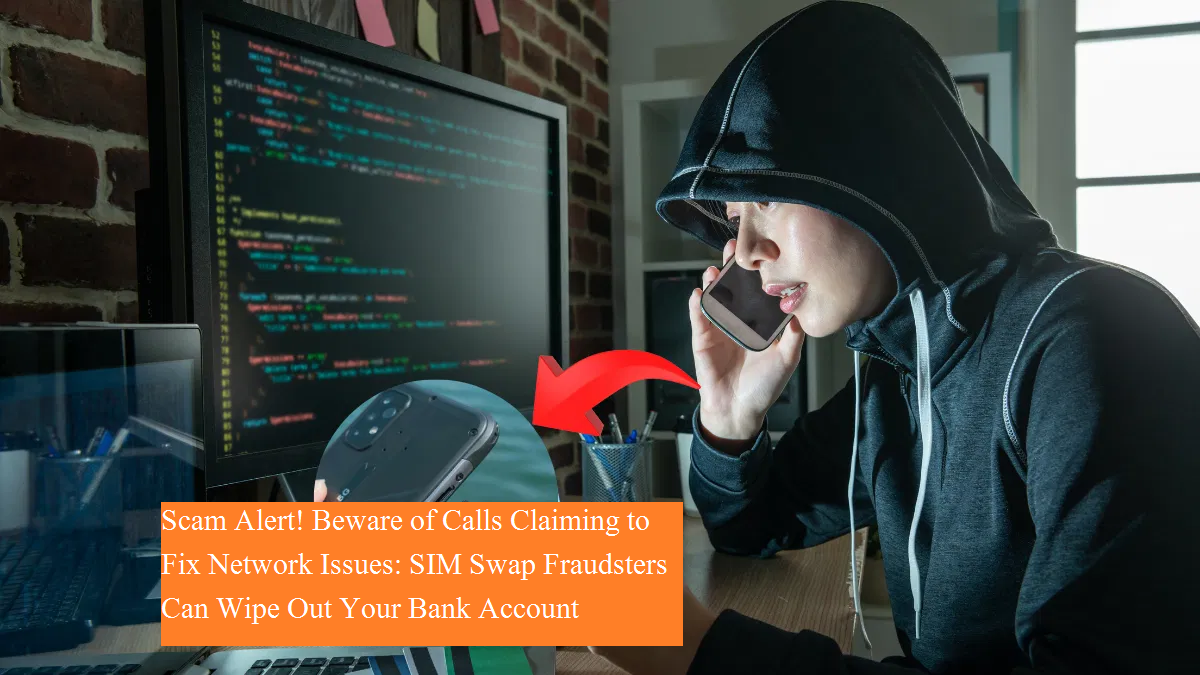
A new wave of cybercrime is sweeping across the country, and it’s targeting your mobile number. If you receive a call from someone claiming to be from Jio, Airtel, or VI offering to fix your “network issue,” you could be the next victim of SIM Swap Fraud — a cyber scam that could drain your bank account within seconds.
What Is SIM Swap Fraud?
SIM Swap Fraud is a growing cybersecurity threat where criminals deceive you into unknowingly authorizing the transfer of your mobile number to a new SIM card under their control. Once they gain access to your number, they can intercept OTP-based transactions, giving them direct access to your bank accounts and sensitive personal data.
According to the Ministry of Home Affairs' cyber portal "Cyber Dost", scammers impersonate telecom executives and claim they need to verify your SIM details to fix call drops or signal issues. They ask you for the 20-digit SIM number printed on your card and then instruct you to press a number on your keypad — typically “1”. This seemingly harmless action ends up authorizing the activation of a duplicate SIM, effectively deactivating your existing one. The fraudster now controls your mobile number and everything linked to it.
Why This Is So Dangerous
Once a cybercriminal gains control of your number, they also get access to all the services linked to it — including your bank accounts, UPI apps, emails, and social media. Many victims are shocked to find their entire savings wiped out through OTP-authorized transactions.
These scammers often track their targets for weeks or even months, collecting detailed personal information to make their scam appear more legitimate. By the time you realize what’s happening, it could already be too late.
If you or someone you know falls prey to such a scam, the first step is to immediately block all your bank cards and freeze your accounts to limit the damage.
Recent Regulatory Changes: DoT Steps In
To counter this growing menace, the Department of Telecommunications (DoT) has enforced stricter rules.
-
Biometric verification is now mandatory before issuing any new SIM cards.
-
Additionally, any incoming SMS on a newly activated SIM will be disabled for the first 24 hours, preventing fraudsters from instantly accessing OTPs.
These new guidelines are a step forward in protecting consumers, but vigilance remains the best defense.
How to Stay Safe from SIM Swap Fraud
Here are a few crucial safety tips to protect yourself from SIM swap scams:
-
Never share your SIM number, Aadhaar, bank details, or OTP with anyone, even if they claim to be from a trusted telecom company.
-
Be cautious of unsolicited calls or texts, especially those claiming to fix network issues or update SIM details.
-
Activate SIM lock features on your phone and set a PIN or password with your telecom provider to prevent unauthorized SIM swaps.
-
Enable two-factor authentication (2FA) on all your sensitive accounts, such as banking, email, and social media.
-
Regularly monitor your bank accounts and online transactions. Any unfamiliar activity should be reported to your bank immediately.
-
If your phone suddenly loses network connectivity, and there is no known outage, contact your mobile operator right away — this could be an early sign of SIM swapping.
What to Do If You’re a Victim
If you've already fallen victim to a SIM Swap Fraud, act quickly:
-
Block your debit and credit cards, and ask your bank to freeze your account.
-
File a complaint by calling the National Cyber Crime Helpline at 1930 or report the fraud online at cybercrime.gov.in.
-
Prompt action increases the chances of recovering your lost funds and prevents further misuse.
Final Thoughts
With digital banking and mobile-based authentication becoming the norm, securing your mobile number is more critical than ever. Fraudsters are becoming increasingly sophisticated, but awareness is your strongest shield. The next time you get a suspicious call from someone claiming to help with network issues — hang up immediately. Don’t let a simple phone call turn into a financial nightmare.