BUSINESS
Road Accident Victims Can Get Cashless Treatment up to ₹1.5 Lakh Under PM-RAHAT: Check How the Scheme Works
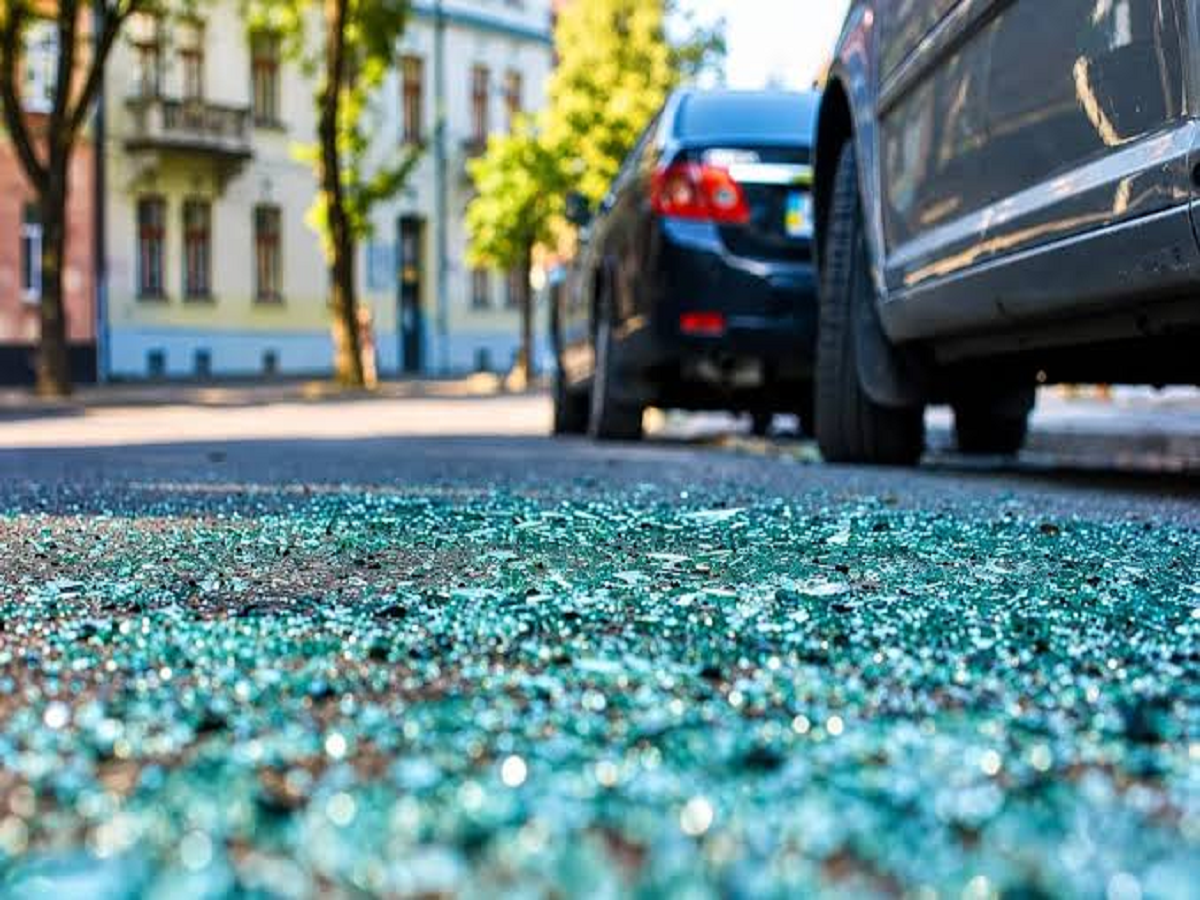
In a significant step towards improving emergency healthcare, the Government of India has introduced the PM-RAHAT scheme to help road accident victims receive timely medical treatment without facing immediate financial pressure.
Launched nationwide on February 13, 2026, the Prime Minister – Road Accident Victims' Hospitalisation and Assured Treatment (PM-RAHAT) scheme provides eligible accident victims with cashless treatment of up to ₹1.5 lakh per person for a maximum period of seven days from the date of the accident. The scheme is intended to ensure that financial difficulties do not delay life-saving medical care. <Cite refs={["turn997214search1","turn997214search5"]}/>
1. What Is the PM-RAHAT Scheme?
PM-RAHAT is a government initiative designed to provide timely medical assistance to people injured in road accidents involving motor vehicles.
The scheme focuses on the critical period immediately following an accident, when prompt medical intervention can significantly improve a victim's chances of survival.
It applies to eligible road accident victims on different categories of roads across India, subject to the scheme's conditions and verification procedures. <Cite refs={["turn997214search0","turn997214search9"]}/>
2. How Much Cashless Treatment Is Available?
Under the scheme, eligible victims can receive treatment worth up to ₹1.5 lakh per person, for a maximum of seven days from the accident date.
The scheme also provides for stabilisation treatment at designated hospitals:
-
Up to 24 hours for cases that are not life-threatening.
-
Up to 48 hours for life-threatening cases.
The stabilisation provisions are subject to the prescribed procedures, including police response and authentication through the integrated system. <Cite refs={["turn997214search2","turn997214search5"]}/>
The ₹1.5 lakh limit is a treatment cover, not a cash payment made directly to the victim.
3. Who Can Benefit From the Scheme?
The scheme covers eligible people injured in road accidents caused by motor vehicles. Its purpose is to make emergency treatment accessible regardless of the victim's immediate ability to pay.
However, the benefit is subject to the scheme's rules and the availability of designated hospitals. It should not be interpreted as an unrestricted reimbursement for every medical expense or treatment received at any facility.
4. What Should You Do If You Witness a Road Accident?
Knowing what to do during an emergency can help save lives.
First, contact emergency services and provide the location and details of the accident. Under the PM-RAHAT framework, the national emergency response number 112 can be used to seek assistance and information about nearby designated hospitals.
Avoid moving a seriously injured person unnecessarily unless there is an immediate danger, such as fire or an unsafe traffic situation. Follow the instructions of emergency responders and medical professionals.
If you are helping an accident victim, do not delay urgent medical assistance while trying to determine the person's insurance or financial status.
5. How Is the Scheme Implemented?
PM-RAHAT uses a digital framework that links accident reporting, hospital admission, police verification, treatment administration and claim processing.
The system integrates the Ministry of Road Transport and Highways' Electronic Detailed Accident Report (eDAR) platform with the National Health Authority's Transaction Management System (TMS 2.0).
This arrangement is intended to improve coordination between hospitals, authorities and the agencies responsible for processing treatment claims. <Cite refs={["turn997214search5","turn997214search10"]}/>
6. Is PM-RAHAT the Same as Ayushman Bharat?
No. PM-RAHAT is a separate statutory scheme specifically focused on cashless treatment for eligible road accident victims.
Ayushman Bharat–Pradhan Mantri Jan Arogya Yojana (AB-PMJAY), by contrast, provides hospitalisation coverage to eligible beneficiaries under its own rules.
People should check the applicable scheme guidelines rather than assume that the two programmes have identical eligibility conditions or coverage limits. <Cite refs={["turn997214search9","turn997214search6"]}/>
Conclusion
The PM-RAHAT scheme aims to remove one of the major barriers to emergency medical care: the fear of immediate treatment expenses after a road accident.
With cashless treatment cover of up to ₹1.5 lakh per eligible victim for a maximum of seven days, the programme is designed to support timely hospital care during a critical period.
Citizens should remember the emergency number 112, seek medical assistance promptly after an accident and use official government information to understand the scheme's coverage and procedures.
Official reference: Press Information Bureau – Government of India.