BUSINESS
Rabi Crop MSP 2027-28: Wheat, Mustard and Gram Prices Increased! Check the New Rates and How Farmers Can Sell Their Crops
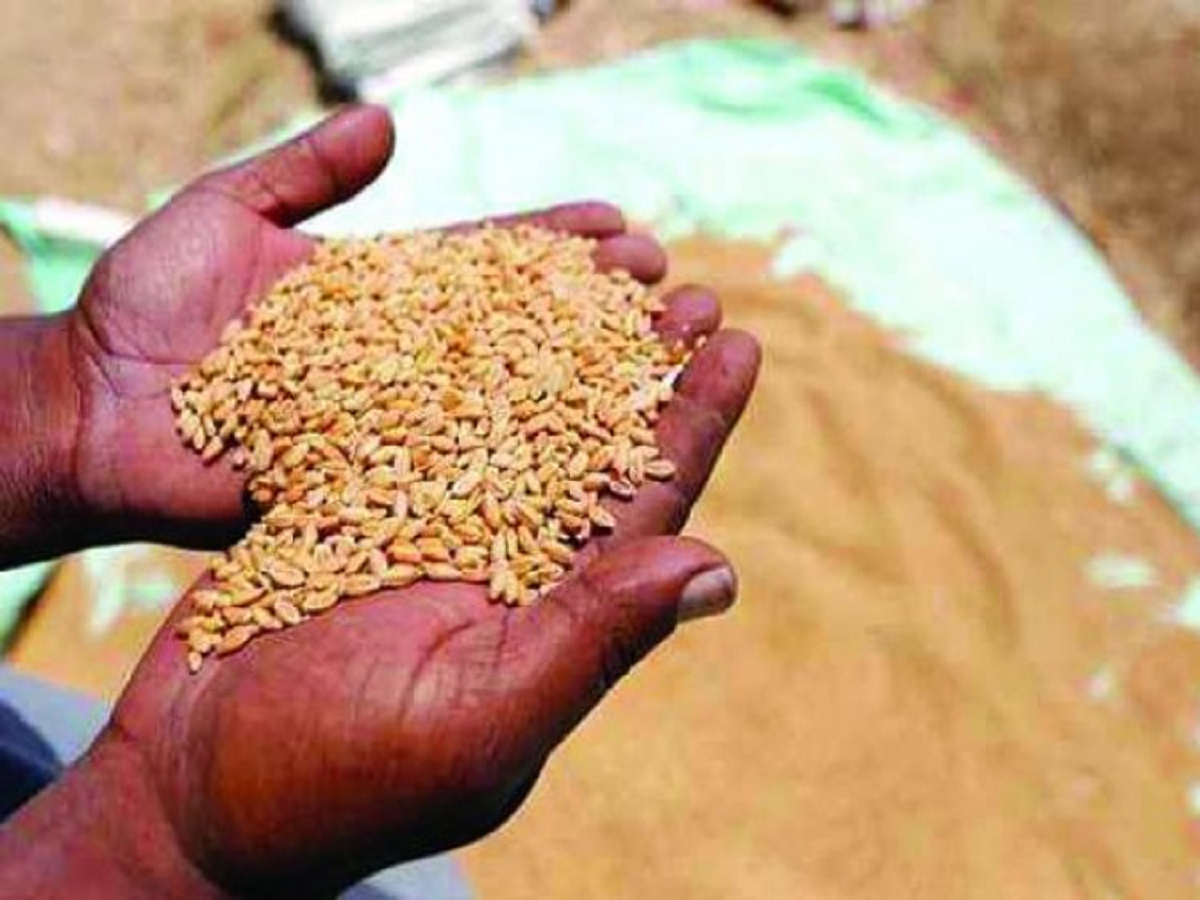
Farmers preparing for the upcoming Rabi marketing season have an important government update to know. The Central Government has increased the Minimum Support Prices (MSP) for all six mandated Rabi crops for the 2027-28 marketing season.
The revised rates were approved on September 30, 2026, and are intended to provide farmers with better price assurance for their produce. Among the major changes, mustard has received an MSP increase of ₹413 per quintal, while the increase for wheat is ₹25 per quintal.
The government estimates that approximately ₹90,962 crore will be paid to farmers for the procurement of 324 lakh metric tonnes of produce during the season.
But what are the new crop-wise rates, and how can farmers register to sell their produce at MSP? Here is everything you need to know.
What Are the New MSP Rates for Rabi Crops?
The revised MSP rates will apply to the Rabi Marketing Season 2027-28.
Here are the new prices compared with the previous marketing season:
| Crop | MSP for 2027-28 | Increase |
|---|---|---|
| Wheat | ₹2,610 per quintal | ₹25 |
| Barley | ₹2,286 per quintal | ₹136 |
| Gram | ₹5,958 per quintal | ₹83 |
| Lentil (Masur) | ₹7,390 per quintal | ₹390 |
| Rapeseed and Mustard | ₹6,613 per quintal | ₹413 |
| Safflower | ₹7,215 per quintal | ₹675 |
Safflower has received the highest absolute increase of ₹675 per quintal, followed by mustard at ₹413 and lentil at ₹390.
These revised rates are important for farmers planning their crop sales and estimating potential returns during the coming procurement season.
How Is the Minimum Support Price Decided?
The government does not decide MSP randomly. Recommendations are made by the Commission for Agricultural Costs and Prices (CACP), which considers several agricultural and economic factors.
These include:
-
Cost of cultivation and agricultural inputs.
-
Demand and supply of crops.
-
Domestic and international market prices.
-
Price differences between competing crops.
-
Relationship between agricultural and non-agricultural prices.
-
The wider impact of agricultural price policies on the economy.
The cost calculation also considers expenses such as seeds, fertilisers, irrigation, hired labour, machinery, electricity, diesel and the estimated value of family labour.
The government uses these recommendations while deciding the final MSP rates.
Does Every Farmer Automatically Get the MSP?
This is an important point that farmers should understand.
The announcement of an MSP does not mean that every farmer automatically receives that price from every buyer or private trader.
Government procurement takes place through designated agencies and under applicable procurement conditions. For cereals such as wheat and barley, procurement is handled through the Food Corporation of India (FCI) and designated state agencies.
For pulses and oilseeds, procurement may take place under the Price Support Scheme (PSS) of the Pradhan Mantri Annadata Aay Sanrakshan Abhiyan (PM-AASHA), when the relevant conditions are met.
Eligible produce must meet prescribed Fair Average Quality (FAQ) standards. Farmers may also need to complete registration and provide valid land and bank details.
Therefore, farmers should check the procurement arrangements announced by their respective state governments.
How Can Farmers Register for MSP Procurement?
Digital platforms are increasingly being used to make the procurement process more transparent and accessible.
Two important platforms are:
1. e-Samriddhi
The platform is used for farmer registration and procurement-related activities under the relevant procurement arrangements. It is associated with NAFED.
Official website: https://esamridhi.in/
2. e-Samyukti
This platform facilitates procurement-related services through NCCF, including registration, procurement and payment processes.
Official website: https://esamyukti.in/
Farmers should check the relevant platform and their state procurement agency's instructions to understand registration requirements and the availability of procurement centres.
Which Documents May Be Required?
Depending on the crop, state and procurement arrangement, farmers may be asked to provide:
-
Aadhaar details for identity verification.
-
Land ownership or cultivation records.
-
Bank account details.
-
Registered mobile number.
-
Crop and production details.
Biometric authentication is also mandatory under the Price Support Scheme for the relevant procurement process. It may be completed through Aadhaar-enabled Point of Sale machines or facial authentication.
Farmers should ensure that their personal and bank details are accurate to avoid difficulties during registration and payment.
How Will Farmers Receive Their MSP Payment?
Under the digital procurement system, payments are transferred directly to registered farmers' bank accounts.
The use of online registration, biometric verification and digital records is intended to reduce manual intervention and improve transparency.
Farmers can use the relevant procurement platform to access information about registration and procurement. They should also retain their registration details and transaction records for future reference.
Why Is the MSP Increase Important for Farmers?
Agriculture involves several uncertainties, including changing weather conditions, rising input costs and fluctuations in market prices.
An increase in MSP can provide farmers with a reference price when selling eligible crops through government procurement arrangements.
The latest revision covers wheat, barley, gram, lentil, mustard and safflower. It is also intended to encourage farmers to consider crop diversification and make informed decisions about the next agricultural season.
However, actual earnings will depend on crop yield, cultivation expenses, quality and access to procurement facilities.
Farmers planning their Rabi harvest should check the revised MSP rates, complete any required registration and stay updated with announcements from their state procurement agencies. This can help them avoid last-minute difficulties when selling their produce.