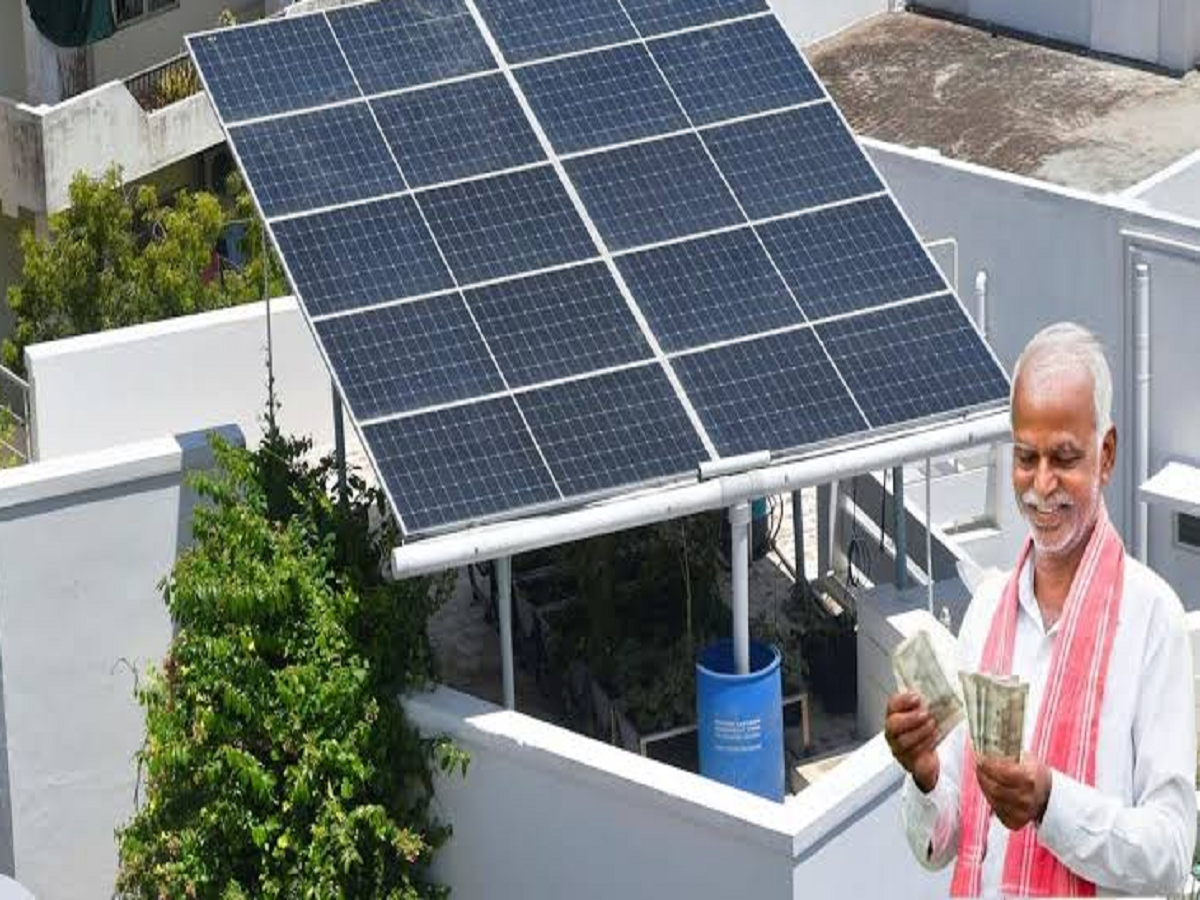
If you are looking for ways to reduce your monthly electricity bill, the government's rooftop solar programme could be worth knowing about. The PM Surya Ghar: Muft Bijli Yojana has crossed an important milestone, with more than 50 lakh households now benefiting from rooftop solar installations across India.
The scheme is designed to encourage households to install rooftop solar systems and generate their own electricity. With the number of installations continuing to rise, more families are looking at solar power as a way to reduce their dependence on conventional electricity.
More Than 50 Lakh Households Have Benefited
According to the Ministry of New and Renewable Energy, the scheme crossed 50.06 lakh beneficiary households in August 2026.
The government also reported that nearly 19 lakh households are now receiving zero electricity bills, while around 14.8 GW of rooftop solar capacity has been commissioned under the programme.
This shows how quickly rooftop solar adoption is expanding among residential electricity consumers.
What Is PM Surya Ghar Muft Bijli Yojana?
The scheme encourages residential consumers with grid-connected electricity connections to install rooftop solar systems.
Instead of purchasing all their electricity from the grid, households with rooftop solar can generate a portion of their electricity themselves. Depending on the system size, household consumption and solar generation, this can substantially reduce electricity purchases from the grid.
The programme also provides central financial assistance for eligible residential rooftop solar installations.
Why Are More People Choosing Rooftop Solar?
One of the biggest attractions is the possibility of reducing monthly electricity expenses.
Once a rooftop solar system is installed, the household can generate electricity from sunlight during the day. A properly sized system can therefore reduce the amount of electricity that needs to be purchased from the grid.
Solar panels can also help households become less dependent on conventional electricity sources over the long term.
Government Buildings Are Also Going Solar
The rooftop solar push isn't limited to individual homes.
The government said that more than 25,000 Central Government buildings have also been solarised under the programme.
The expansion of solar installations across residential and government buildings is part of India's broader effort to increase renewable-energy generation.
What Should You Check Before Installing Solar Panels?
Homeowners considering rooftop solar should first check whether their roof receives sufficient sunlight and whether there is adequate space for the required number of panels.
It is also important to use an authorised installation channel, understand the applicable subsidy and compare system capacity with your household's electricity consumption.
The exact savings will vary from one household to another depending on electricity usage, rooftop conditions, local sunlight, system capacity and other factors.
A Big Opportunity for Households to Cut Electricity Costs
The latest milestone shows that rooftop solar is no longer limited to a small number of households. With more than 50 lakh homes already benefiting from installations, the scheme is becoming a significant part of India's residential energy transition.
For households with suitable rooftops, the programme could offer an opportunity to generate cleaner electricity while potentially reducing long-term power bills.
Before making the investment, however, consumers should check the latest eligibility and subsidy rules through the official government portal and their local electricity distribution company.