Pakistan’s attempt to act as a mediator between United States and Iran during their ongoing tensions appears to have created more problems than solutions. With no concrete progress toward a peace deal, the move has reportedly led to diplomatic, financial, and strategic setbacks for Pakistan.
1. Diplomatic Credibility Takes a Hit
Pakistan’s role as a mediator has been questioned by both sides. Despite outreach efforts, neither the United States nor Iran showed strong willingness to align with Pakistan’s position.
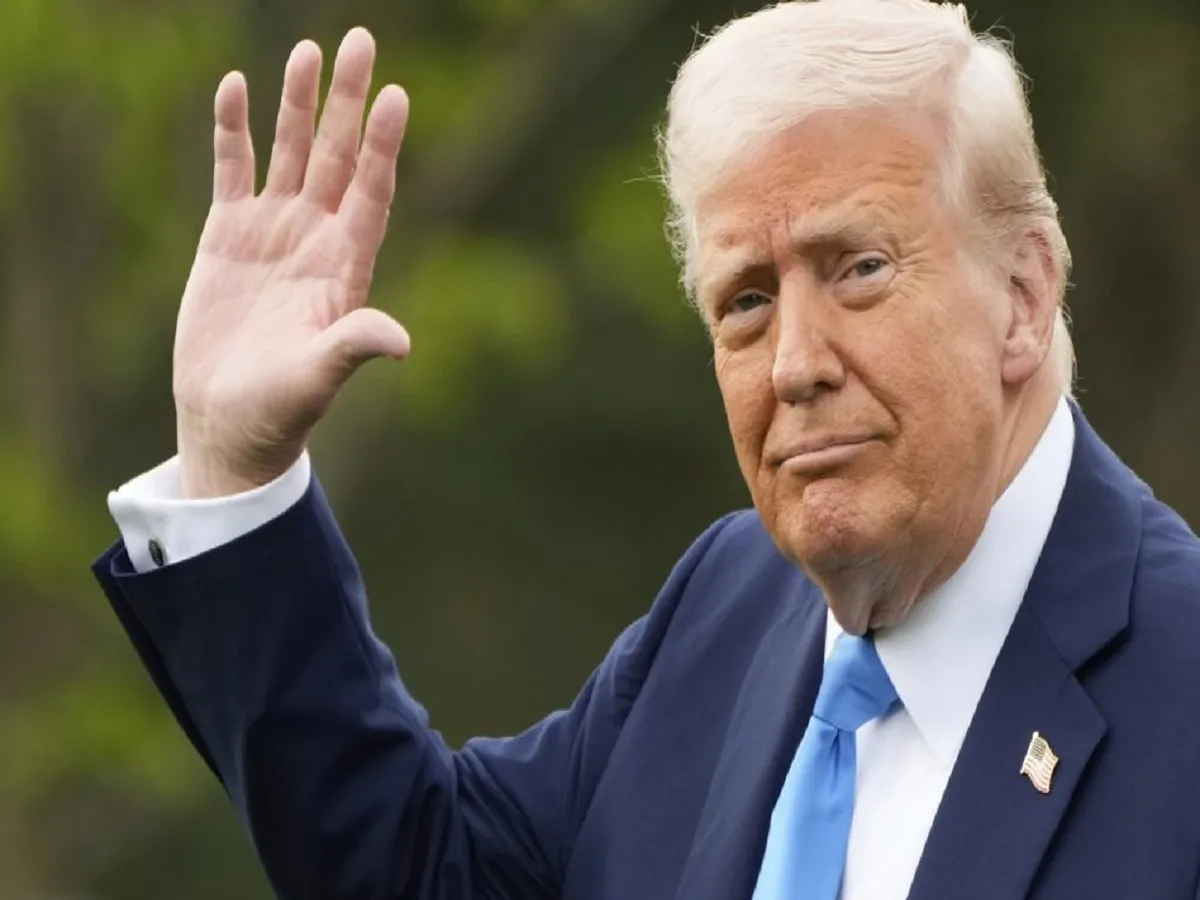
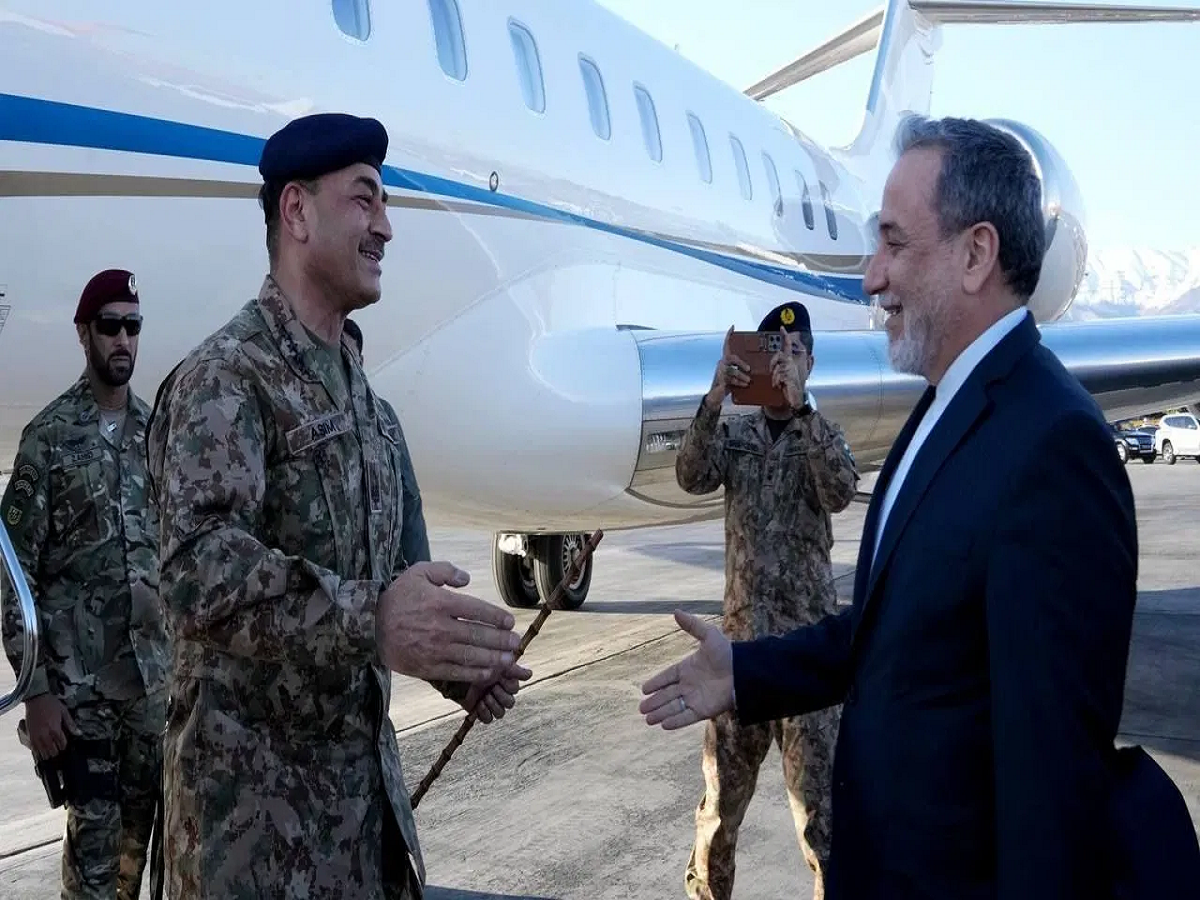
Reports suggest that Asim Munir held discussions with Iranian leadership, but those efforts did not translate into meaningful engagement. Similarly, attempts to influence the U.S. side, including communication with Donald Trump, did not yield results.
This has raised concerns about Pakistan’s ability to play a decisive diplomatic role on the global stage.
2. Financial Pressure and Declining Reserves
The mediation effort also appears to have had economic consequences. Strained relations with key partners reportedly led to financial obligations being called back, putting pressure on Pakistan’s foreign exchange reserves.
With reserves already under scrutiny, any repayment or withdrawal of external support increases the country’s economic vulnerability and could invite further pressure from institutions like the International Monetary Fund.
3. Strained Relations with Key Allies
One of the biggest setbacks has been the impact on ties with the United Arab Emirates. Reports indicate that the UAE was not adequately included in the mediation process, leading to dissatisfaction.
Given the strong economic and workforce ties between Pakistan and the UAE—including billions in trade and a large expatriate population—any strain in this relationship could have long-term implications.
What It Means Going Forward
Pakistan’s attempt to position itself as a diplomatic bridge has instead exposed its limitations in influencing high-stakes global conflicts. With no peace breakthrough and rising costs, the episode highlights the risks smaller players face when stepping into complex geopolitical negotiations.