INTERNATIONAL
Pakistan Jails Human Rights Lawyers for Social Media Posts: Who Are Zainab Mazari and Hadi Ali Chattha?
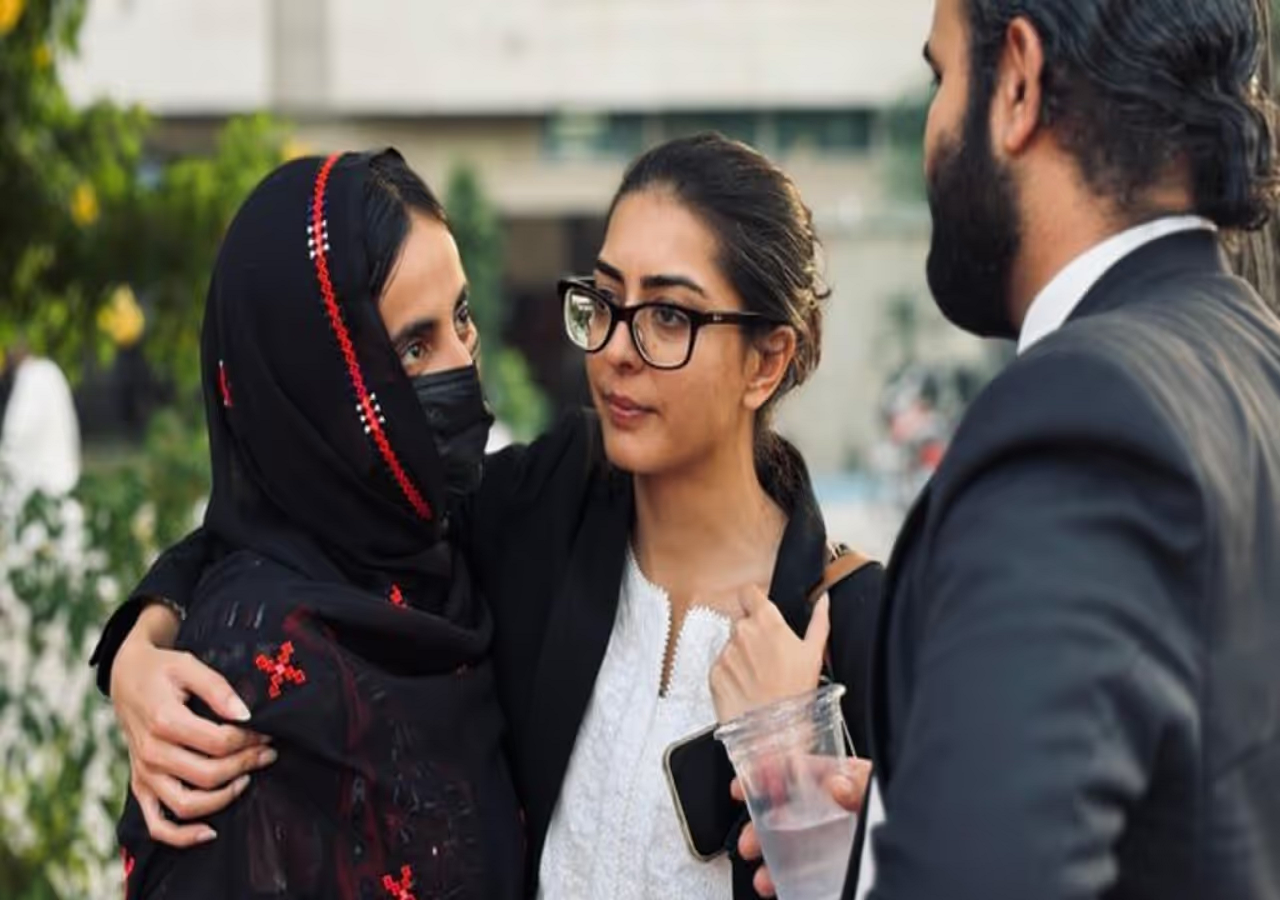
Pakistan has once again found itself under international scrutiny after sentencing two prominent human rights lawyers to 17 years in prison over their social media activity. Zainab Mazari and her husband, Hadi Ali Chattha, were convicted under Pakistan’s cybercrime laws for allegedly spreading content considered “anti-state” and misleading.
The ruling has sparked serious debate across the country and beyond, raising concerns about freedom of expression, judicial independence, and the shrinking space for human rights advocacy in Pakistan.
Who Are Zainab Mazari and Hadi Ali Chattha?
Zainab Mazari and Hadi Ali Chattha are well-known human rights lawyers who have represented individuals accused of being forcibly detained by security agencies. Their legal work often involved sensitive cases related to missing persons and civil liberties.
Zainab Mazari is also the daughter of Shireen Mazari, a former federal minister for human rights in Pakistan. Because of their professional background and public profile, their arrest has drawn significant national and international attention.
For years, the couple had been vocal on social media platforms, where they discussed legal reforms, criticized state institutions, and raised concerns about alleged human rights violations.
Why Were They Sentenced to 17 Years in Prison?
According to the court verdict, the couple was found guilty of sharing content that allegedly promoted banned militant groups and weakened trust in Pakistan’s justice system. Authorities argued that their posts were “misleading,” “provocative,” and harmful to national security.
They were convicted under the Prevention of Electronic Crimes Act (PECA), Pakistan’s cybercrime law that gives authorities wide powers to regulate online content. The court claimed that their online activity interfered with judicial proceedings and attempted to influence public opinion against state institutions.
However, critics argue that the charges were vague and that no concrete evidence was presented to prove that the lawyers supported extremist groups.
Strong International Reaction
Human rights organizations, including Amnesty International and several legal advocacy groups, have strongly condemned the decision. They describe the verdict as a clear example of judicial harassment and political intimidation.
Amnesty International stated that the punishment sends a dangerous signal to activists and journalists who use digital platforms to express dissent. International observers fear that Pakistan’s cybercrime laws are increasingly being used as tools to silence critics rather than protect citizens.
Several legal experts have also questioned whether the punishment fits the alleged offense, calling the 17-year sentence disproportionate and excessive.
Political Pressure or Legal Action?
Many analysts believe the case goes beyond social media posts. They argue that Zainab and Hadi were targeted because of their continuous criticism of security institutions and their involvement in sensitive human rights cases.
The couple has denied all allegations, stating that their posts were expressions of legal opinion and concern for civil rights, not propaganda or anti-state messaging.
Opposition leaders and civil society groups say the verdict reflects a broader pattern where laws meant to curb cybercrime are being used to suppress political opposition and activists.
Social Media, Law, and Human Rights in Pakistan
This case highlights the growing tension between digital expression and state control in Pakistan. While the government insists that PECA is necessary to prevent misinformation and protect national interests, rights groups warn that its broad language allows misuse.
Over the past few years, several journalists, bloggers, and activists have faced arrests or investigations over online posts. Observers say this trend is creating a climate of fear and self-censorship.
The conviction of Zainab Mazari and Hadi Ali Chattha is now being seen as a landmark case that could shape how social media speech is treated under Pakistani law in the future.
Conclusion
The sentencing of two human rights lawyers to 17 years in prison for social media activity has intensified global concerns about Pakistan’s approach to freedom of speech and human rights.
While authorities maintain that the law has been applied fairly, critics view the case as an attempt to intimidate voices of dissent. The outcome will likely remain a point of contention in international human rights forums and diplomatic discussions.
As Pakistan navigates political instability and security challenges, this case raises fundamental questions about the balance between national security and democratic freedoms.