TECH
OTP Fraud Alert: A single OTP can empty your bank account. Keep these things in mind to avoid cyber-fraud
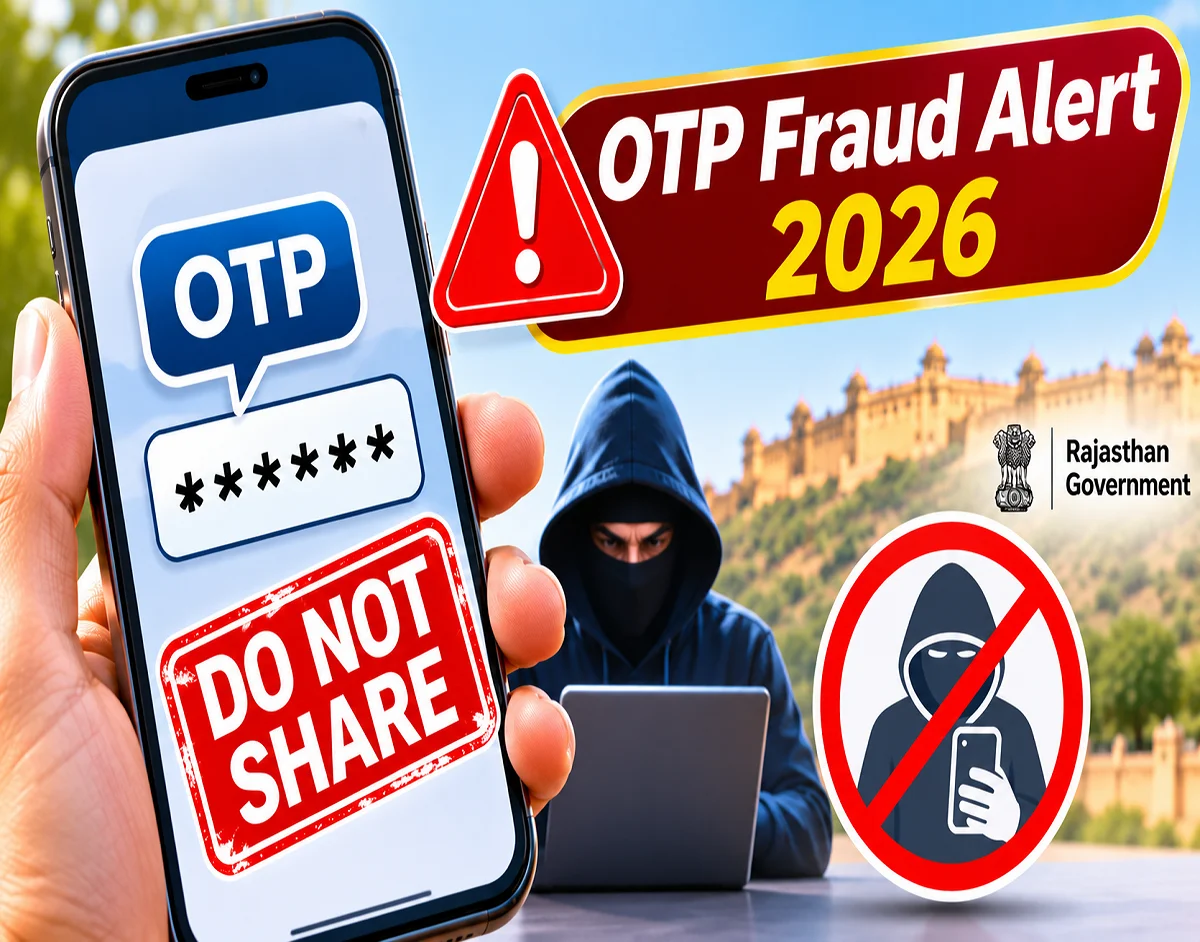
OTP Fraud Prevention Tips 2026: Rajasthan government has issued an important cyber-security message for people using digital banking and online services . Nowadays, One Time Password (OTP) is used in banking transactions, online shopping, mobile app login and other digital services. This security code helps in verifying the identity of the user and prevents unauthorized activities. However, cyber-criminals try to obtain this OTP by deceiving people. Rajasthan's Department of Information Technology and Communication (DOITC) has warned citizens not to share their OTP with anyone, even if they claim to be a representative of a bank, government department or any trusted institution.
OTP is for your security, not to give access to others
One Time Password (OTP) is a temporary security code used for identity verification in various digital services.
OTP may be required for banking transactions, account logins, password resets and other sensitive processes.
Its main purpose is to ensure that the relevant activity is carried out with the knowledge and consent of the authorized user.
But if this code falls into the hands of a fraudster, he can use it for unauthorized login, password change or fraudulent transactions under certain circumstances.
However, simply receiving an OTP does not always provide complete control of a bank account. The risk depends on the process for which the OTP is issued and other security measures in place.
How do cyber-criminals commit fraud by posing as bank officials?
Cyber-criminals often contact people by posing as bank employees or customer care officers.
They may claim that there is a problem with your bank account or that the services may be stopped due to KYC not being updated.
After this, in the name of solving the problem, the OTP received on the mobile is demanded.
In some cases, fraudsters may also try to obtain OTP by luring you with the promise of government schemes, subsidies, refunds or rewards.
Relying on such requests can be dangerous.
These 5 methods can be adopted to get OTP
1. The excuse of KYC update
Fraudsters may ask for OTP by threatening to close the bank account.
2. Claiming to benefit from a government scheme
You may be asked to share the verification code in the name of releasing the amount or subsidy of any scheme.
3. Online Shopping Refunds
An attempt can be made to obtain the OTP by claiming order cancellation or refund of payment.
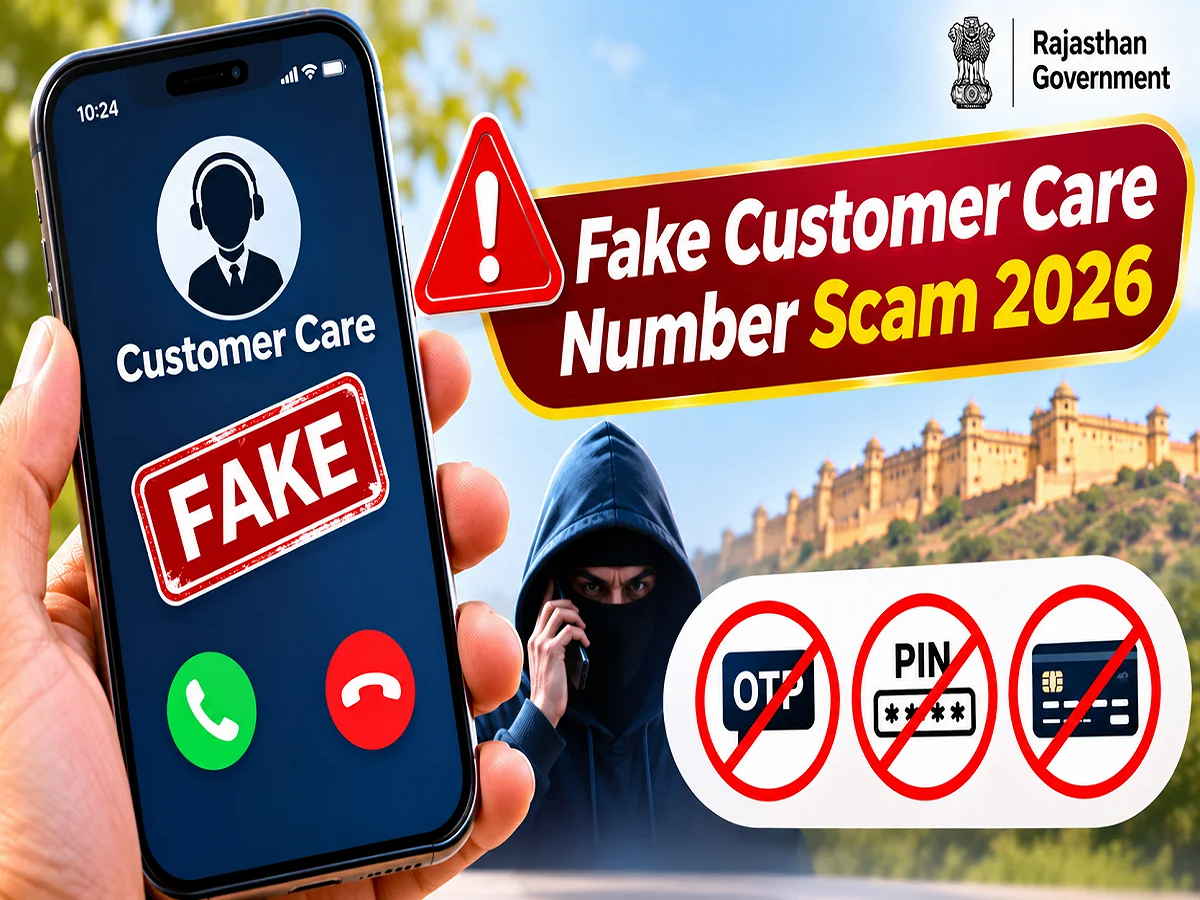
4. Fake customer care calls
Cyber-criminals may pose as authorized representatives of a bank or company and ask for security codes.
5. Social media account verification
Login OTP may be asked for under the pretext of verifying Facebook, Instagram or WhatsApp account.
Take necessary precautions to avoid OTP fraud
To maintain digital security, it is very important to follow some general rules.
- Keep OTP confidential: Do not share your OTP with anyone over the phone, message or social media.
- Read the OTP message: Be sure to check the service and activity for which the code has come.
- Avoid unknown links: Do not enter OTP or banking information on suspicious websites.
- Keep banking details safe: Do not share UPI PIN, ATM PIN, passwords and sensitive card information along with OTP.
- Verify through official channels: Verify suspicious requests purporting to be from a bank or government department through the official website or app of the respective entity.
- plansSearch
- Be cautious if you receive an unsolicited OTP: If you haven't initiated any login or transaction, don't share any random OTP with anyone.
What should I do immediately if I have shared my OTP by mistake?
If you have shared your OTP with a suspicious person, first try to understand for which service the code was issued.
If the OTP was related to banking, immediately contact the official customer care of your bank.
If necessary, change the password of the respective digital account and check the active login sessions.
If the OTP could have been used to log into a social media or email account, check the security settings of the respective platform and activate two-factor authentication.
In case of any suspicious financial transaction, the bank should be informed immediately.
Where to complain about cyber-fraud?
If there is an unauthorized transaction from your bank account after sharing the OTP, immediately complain to the National Cyber Crime Helpline 1930.
Apart from this, online complaint can be lodged on the official portal of Government of India cybercrime.gov.in.
It may be useful to preserve the relevant mobile number, suspicious messages, banking transactions and other available evidence for the complaint.
Timely complaint can increase the chances of stopping the fraud or getting the amount back.
Keep OTP completely confidential for digital security
The purpose of this warning from the Information Technology and Communication Department of the Rajasthan Government is to protect citizens from OTP based cyber fraud.
To use digital services safely, it is important to understand that OTP is meant to protect your identity and account, and not to give access to the account to another person.
Remember, never share your OTP with anyone claiming to be a representative of a bank, government department, or other trusted organization. A little vigilance can help protect your personal information and hard-earned money from cybercriminals.