LIFESTYLE
Monsoon Skincare Tips: Easy Ways to Keep Your Skin Healthy, Fresh and Glowing This Rainy Season

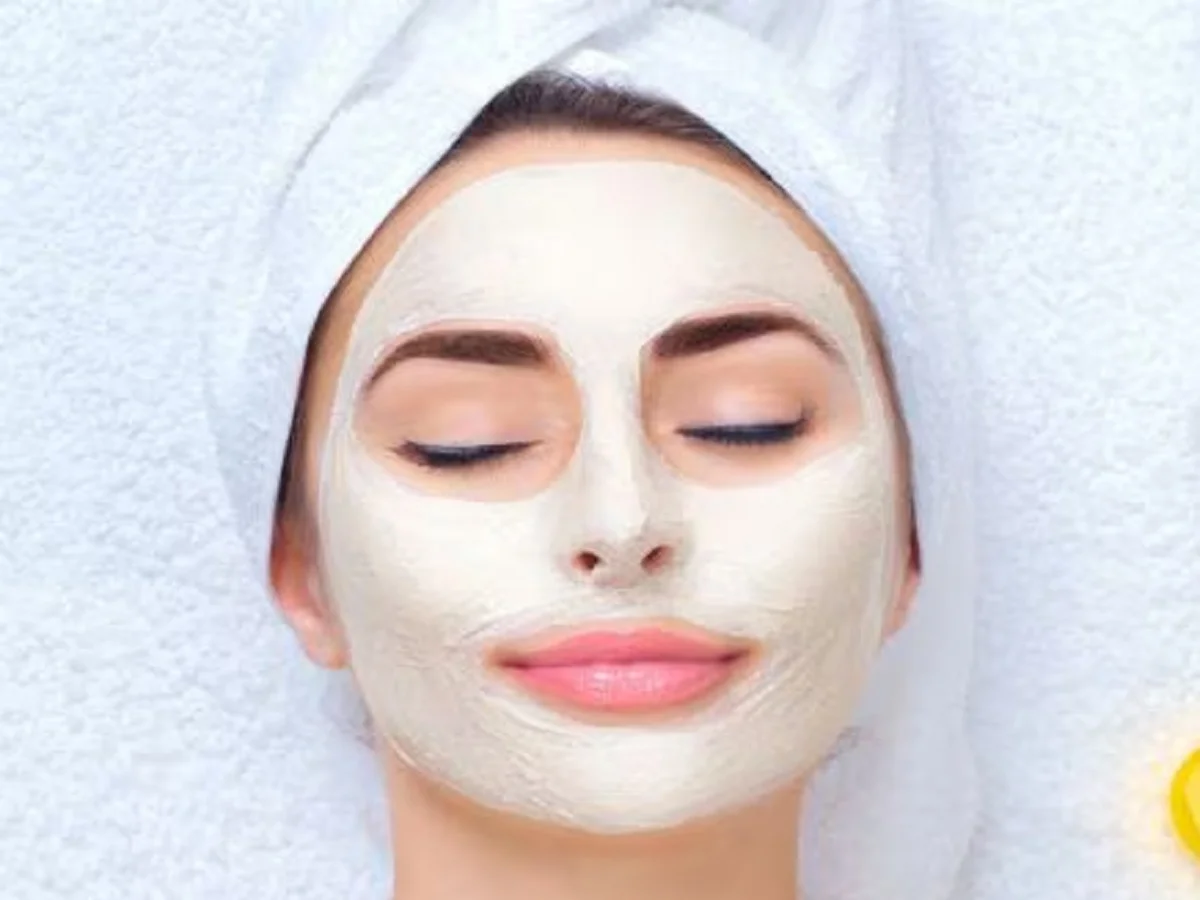
The monsoon brings welcome relief from the summer heat, but the increase in humidity can also create several skin problems. Excess moisture in the air causes sweat, oil, and dirt to build up on the skin, leading to stickiness, acne, rashes, fungal infections, and irritation. Without proper care, your skin may also lose its natural glow.
The good news is that a few simple skincare habits can help keep your skin healthy and radiant throughout the rainy season.
Follow a simple monsoon skincare routine
Keeping your skin clean is the first step toward preventing common monsoon skin issues. Experts recommend:
-
Wash your face twice a day with a mild face cleanser to remove excess oil, sweat, and dirt.
-
Apply a lightweight moisturizer after cleansing, even if you have oily skin.
-
Use sunscreen before stepping outdoors, as harmful UV rays can still affect your skin on cloudy days.
-
If you sweat heavily, gently pat your face dry with a clean towel or tissue instead of rubbing it.
-
After getting drenched in the rain, wash your face and body with clean water to remove pollutants and bacteria.
-
Remove all makeup before going to bed and avoid wearing heavy makeup for long hours.
Common skincare mistakes to avoid
Some everyday habits can worsen skin problems during the monsoon. Avoid these mistakes:
-
Using dirty towels, makeup brushes, or pillowcases, which can spread bacteria.
-
Staying in wet clothes for long periods after being caught in the rain.
-
Touching your face frequently or popping pimples, as this increases the risk of infection and scarring.
-
Applying thick or oily skincare products that clog pores and make the skin feel greasy.
-
Using medicated creams without consulting a doctor if you develop rashes, itching, or irritation.
Eat foods that support healthy skin
Healthy skin starts from within. A balanced diet can help maintain your skin's natural glow even during humid weather.
Include these foods in your daily meals:
-
Seasonal fruits
-
Green leafy vegetables
-
Fresh salads
-
Yogurt
-
Pulses
-
Nuts and dried fruits
-
Vitamin C-rich foods such as oranges, guava, and amla
Also, drink enough water throughout the day to stay hydrated and limit the intake of deep-fried and sugary foods.
When should you see a dermatologist?
While most minor skin issues can be managed with proper care, some symptoms should not be ignored. Consult a dermatologist if you experience:
-
Persistent itching or redness
-
Skin rashes or swelling
-
Painful or water-filled blisters
-
Recurrent skin infections
-
Severe acne that does not improve with home care
Early diagnosis and treatment can prevent the condition from becoming more serious.
The bottom line
Monsoon humidity can make your skin more prone to oiliness, breakouts, and infections, but following a consistent skincare routine can help you stay ahead of these problems. Cleansing regularly, moisturizing, using sunscreen, eating a nutrient-rich diet, and maintaining good hygiene are simple yet effective ways to keep your skin healthy and glowing throughout the rainy season.