TECH
Meta Faces Fresh Privacy Storm as WhatsApp Accused of Misleading Billions Over Encryption Claims
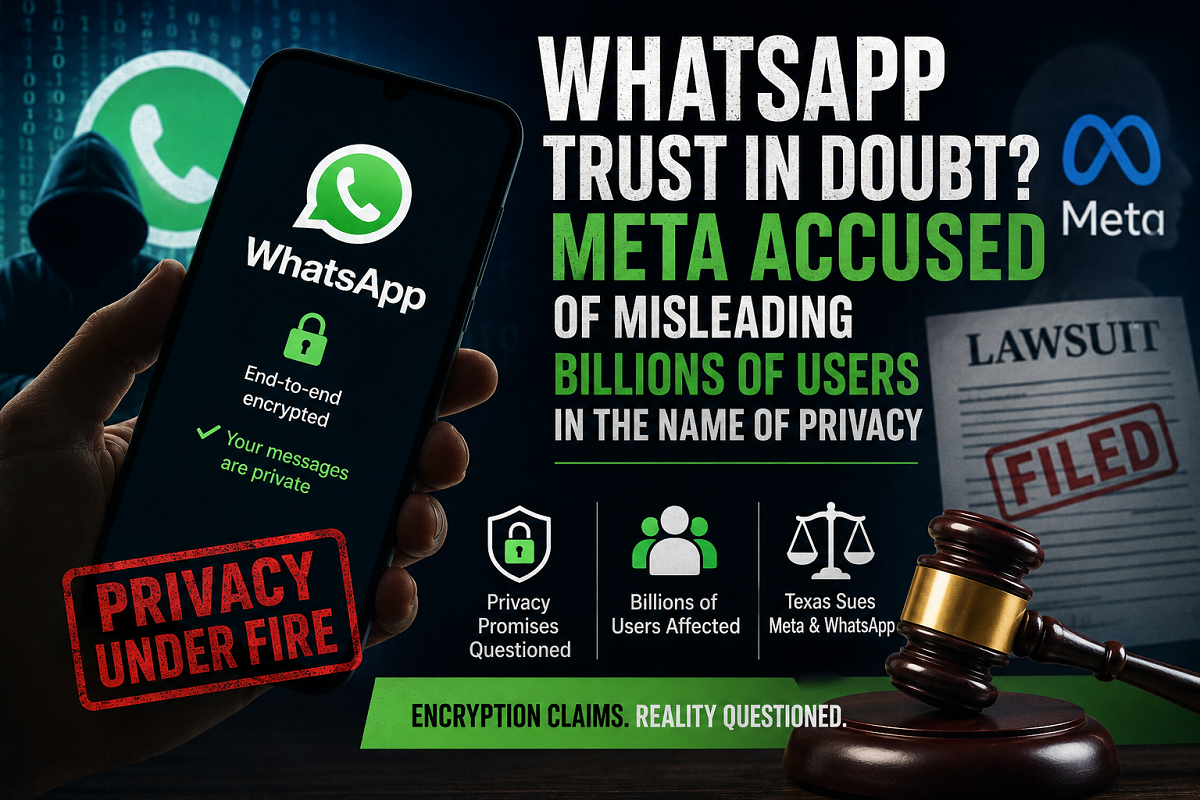
Meta is once again facing serious legal scrutiny in the United States after allegations surfaced that its messaging platform WhatsApp may have misled users about the strength of its privacy protections. The controversy has sparked renewed debate around data security, encrypted communication, and how much access large technology companies actually have to user information.
According to reports emerging from the United States, Texas Attorney General Ken Paxton has filed a lawsuit against Meta and WhatsApp, accusing the company of creating a false sense of privacy among billions of users worldwide.
The legal complaint claims that WhatsApp repeatedly promoted itself as a highly secure platform where messages remain fully protected through end-to-end encryption. However, Texas authorities allege that the actual handling of user communication data may not fully match those public claims.
Questions Raised Over WhatsApp’s Encryption Promises
For years, WhatsApp has promoted end-to-end encryption as one of its biggest security features. The company has consistently stated that only the sender and receiver can read personal messages, and that even Meta itself cannot access the content of encrypted chats.
The lawsuit now challenges those assurances.
According to allegations referenced in legal filings, Texas officials claim Meta may have had access to larger amounts of communication-related data than users were led to believe. The case argues that billions of people trusted WhatsApp under the assumption that their conversations were completely private.
Authorities are reportedly questioning whether some aspects of WhatsApp’s data systems, metadata collection, or communication handling created gaps between the company’s public messaging and actual technical practices.
Whistleblower Claims Add to the Controversy
The lawsuit also reportedly references whistleblower reports and internal claims suggesting that certain WhatsApp communications may not have been as inaccessible as users believed.
Some documents cited in the case allegedly claim that Meta had technical access to specific categories of user-related communication data despite public promises emphasizing strict encryption protections.
However, Meta has strongly denied all allegations.
Company spokesperson Andy Stone stated that WhatsApp cannot read or access users’ encrypted messages and described the lawsuit as inaccurate and based on misleading interpretations of the platform’s technology.
Meta maintains that WhatsApp’s end-to-end encryption remains secure and that the company does not possess the ability to decrypt private user conversations.
Why the Case Is Drawing Global Attention
The controversy arrives at a time when governments and regulators worldwide are increasing pressure on large technology companies over user privacy, surveillance concerns, and data collection practices.
In countries like India, WhatsApp has become deeply integrated into daily life. Millions of users depend on the platform for:
- Personal conversations
- Business communication
- Office coordination
- Digital payments
- Sharing confidential documents
Because of this widespread usage, any allegation involving WhatsApp privacy quickly becomes a global concern.
Cybersecurity experts say that even if message content remains encrypted, users are becoming increasingly aware of how metadata, account activity, backups, and behavioral information can still reveal large amounts of personal information.
Texas Seeks Strict Action Against Meta
Texas authorities are reportedly asking the court to impose strict restrictions preventing Meta and WhatsApp from accessing user communications without explicit consent.
The lawsuit also seeks financial penalties against the company.
This is not the first time Texas has taken legal action against major tech firms over privacy issues. State authorities have previously pursued cases involving Google over data tracking and user privacy concerns.
The latest lawsuit adds to the growing legal pressure on Big Tech companies across the United States and Europe.
Meta Already Facing Multiple Legal Challenges
The WhatsApp privacy allegations come during an already difficult period for Meta.
The company is simultaneously facing criticism and lawsuits related to:
- User data collection
- Advertising practices
- Child safety concerns
- Mental health impacts of social media
- Algorithm transparency
Reports also indicate that Meta recently settled another lawsuit filed by a school district in Kentucky, where social media companies were accused of contributing to mental health problems among children and teenagers.
Several other major platforms, including YouTube, Snap, and TikTok, have also faced similar legal and regulatory scrutiny in recent years.
Growing User Concerns About Digital Privacy
The case highlights a broader global debate over how much trust users should place in technology platforms that store massive amounts of personal communication data.
Privacy advocates argue that many users still do not fully understand:
- How their metadata is collected
- What information apps can access
- How cloud backups work
- What role third-party systems play in communication storage
As messaging apps continue becoming central to modern communication, transparency around encryption and data handling is likely to remain a major issue for regulators, companies, and users alike.
The outcome of the lawsuit could potentially influence future privacy standards, encryption policies, and regulatory action against technology companies operating worldwide.