BUSINESS
Bank Account Frozen? These 8 Common Reasons Could Be Behind It and Here's What You Should Do
Discovering that your bank account has been frozen can be stressful, especially when you need to make an urgent payment or withdraw money. While many people assume it happens only because of suspicious transactions, banks can temporarily restrict an account for several other reasons as well.
Knowing the common causes can help you avoid unnecessary inconvenience and resolve the issue quickly.
1. KYC Documents Not Updated
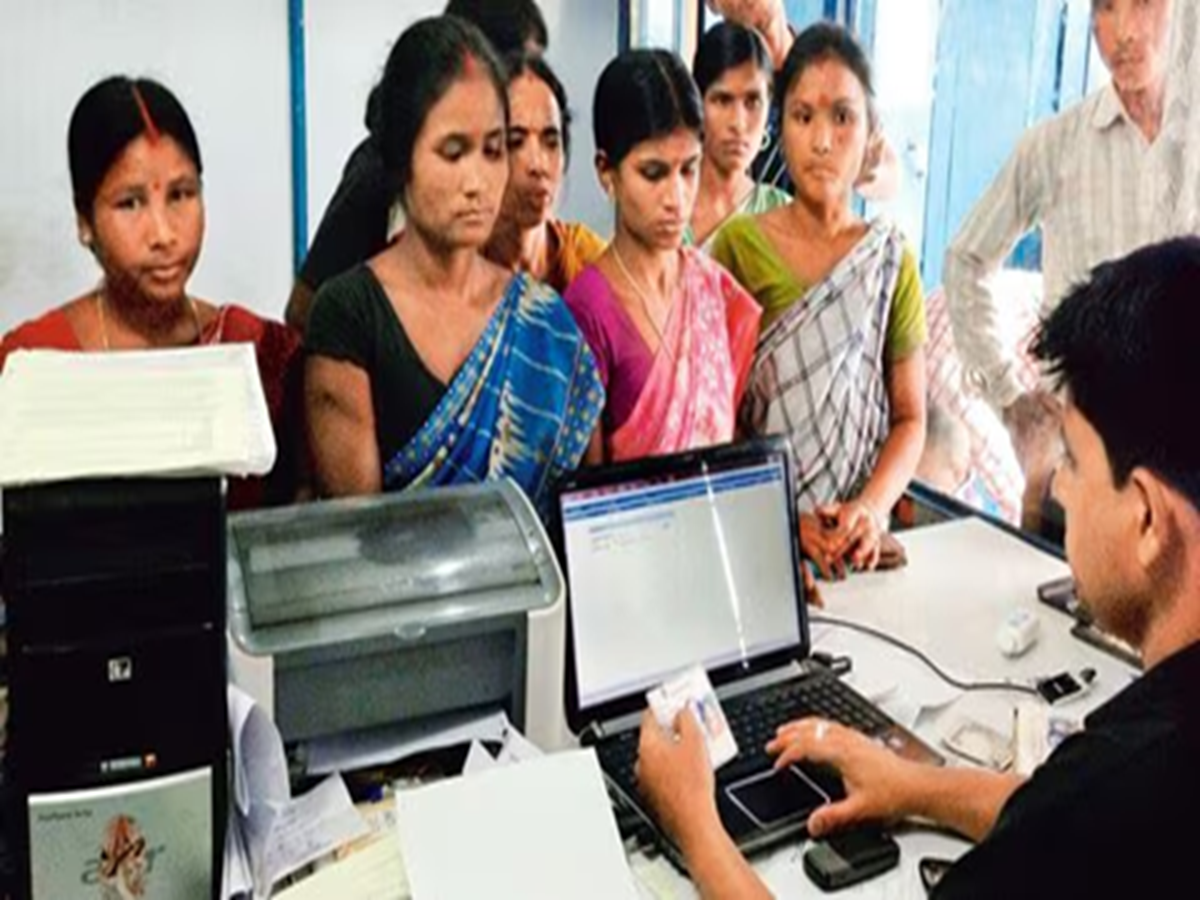
One of the most common reasons for account restrictions is incomplete or outdated Know Your Customer (KYC) details. If the bank asks you to update your identity or address proof and you fail to do so within the prescribed time, it may temporarily limit certain account operations.
2. Suspicious Transactions
Banks continuously monitor accounts for unusual activity. If they detect transactions that appear suspicious or inconsistent with your normal banking pattern, they may temporarily freeze the account while verifying the activity to protect the customer.
3. Court or Government Orders
A bank may freeze an account if it receives directions from a court, law enforcement agency, tax authority, or another competent government body. In such cases, the bank is legally required to comply with the order.
4. Incorrect or Incomplete Account Information
Differences in personal details such as your name, date of birth, PAN, Aadhaar, or other records may lead to verification issues. Keeping your information consistent across banking records can help avoid such problems.
5. Dormant or Inactive Account
If an account remains inactive for a long period without customer-initiated transactions, the bank may classify it as dormant. Certain services may be restricted until the account is reactivated according to the bank's process.
6. Outstanding Loan Recovery
In some situations permitted under the terms and applicable rules, banks may place restrictions on an account during loan recovery or related legal proceedings. Customers should contact the bank to understand the specific reason in such cases.
7. Technical or Verification Issues
Occasionally, accounts may be temporarily restricted due to technical errors, system upgrades, or pending verification processes. These issues are generally resolved after the required checks are completed.
8. Fraud Prevention Measures
If your debit card, internet banking credentials, or account appears to have been compromised, the bank may temporarily freeze certain services as a precautionary security measure until your identity is verified.
What Should You Do If Your Account Is Frozen?
If you find that your account has been frozen:
-
Contact your bank immediately to understand the exact reason.
-
Complete any pending KYC or document verification.
-
Provide any additional information requested by the bank.
-
If the restriction is due to an official order, seek clarification from the concerned authority if required.
-
Avoid sharing sensitive banking information with anyone claiming they can "unfreeze" your account for a fee.
Prevention Is Better Than Cure
Regularly updating your KYC details, keeping your contact information current, monitoring account activity, and responding promptly to bank notifications can significantly reduce the chances of your account being frozen unexpectedly.
A frozen bank account doesn't always indicate wrongdoing. In many cases, it is a precautionary or regulatory measure that can be resolved by completing the necessary formalities with your bank.