BUSINESS
LPG Cylinder Delivery Rules: No DAC Code, No Gas! What It Means and How to Generate It Easily
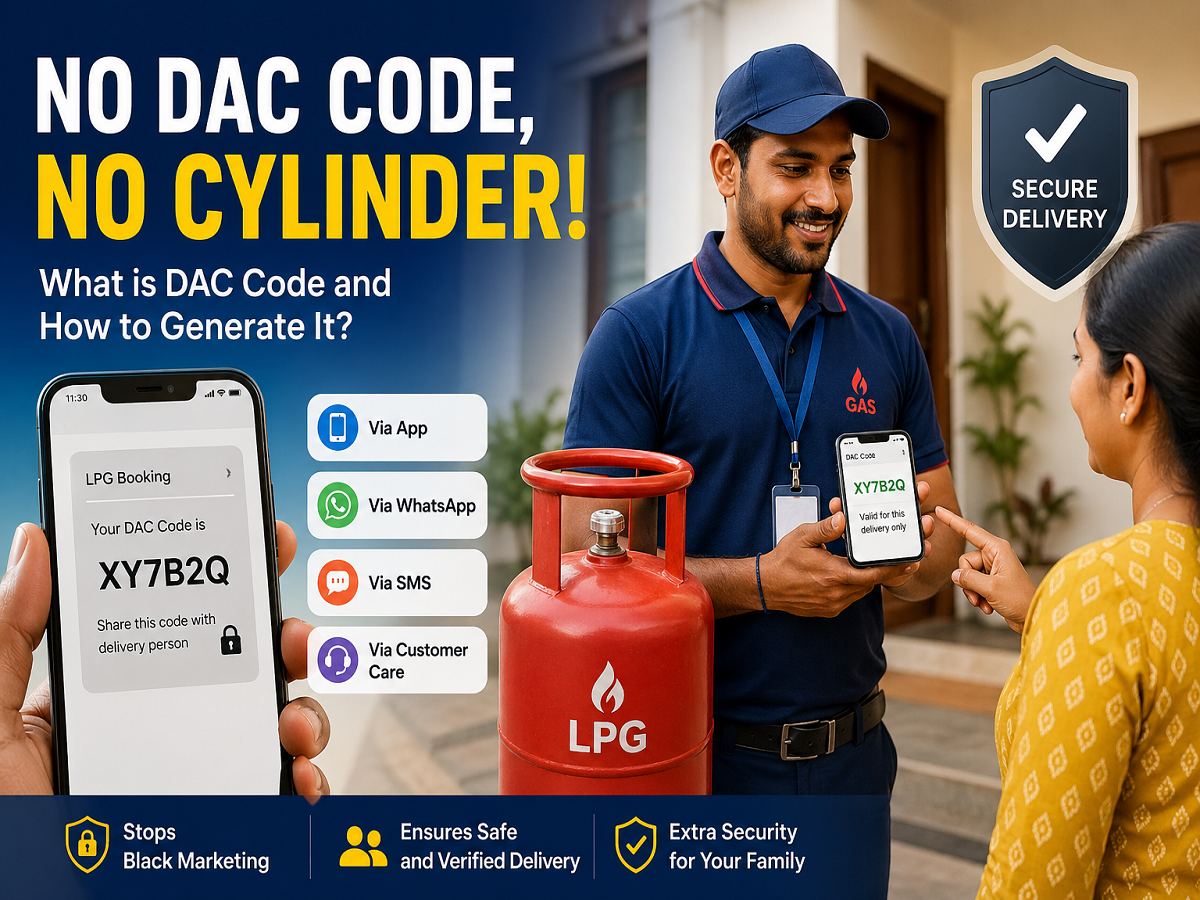
The process of receiving an LPG cylinder in India is becoming more secure and structured, thanks to a new verification system introduced by oil marketing companies. If you’ve recently booked a gas cylinder and heard about the DAC (Delivery Authentication Code), here’s everything you need to know—what it is, why it matters, and how you can generate it if you don’t receive one.
What Is a DAC Code and Why Is It Important?
The Delivery Authentication Code (DAC) is a unique verification code—similar to a one-time password (OTP)—designed to ensure that LPG cylinders are delivered only to the rightful customer. This system has been rolled out to prevent black marketing and unauthorized delivery of cylinders, especially amid concerns about supply disruptions linked to global factors such as geopolitical tensions.
Under this system, you cannot receive your LPG cylinder unless you provide the DAC code to the delivery agent. This adds an extra layer of security and ensures transparency in the delivery process.
Typically, once you book an LPG cylinder, the DAC code is automatically sent to your registered mobile number via SMS. At the time of delivery, you must share this code with the delivery person to confirm your identity and complete the handover.
Didn’t Receive the DAC Code? Here’s What You Can Do
In some cases, users may not receive the DAC code due to network issues, incorrect mobile numbers, or accidental deletion of messages. If that happens, don’t worry—you still have multiple ways to retrieve or generate the code:
- Ask the delivery agent to resend the code
- Use your gas company’s mobile app
- Generate it via WhatsApp services
- Request it through SMS or customer care
Let’s look at each method in detail.
How to Generate DAC Code via Mobile App
Most LPG providers offer official apps that allow customers to manage bookings and services. Here’s how you can find or generate your DAC code:
- Open your gas company’s official app and log in.
- Navigate to the “My Bookings” or similar section.
- Select your latest LPG booking.
- View the booking details—your DAC code will usually be displayed here.
- In some apps, you may find a “Generate DAC” option—tap it to create a new code.
Note: This method works only if you have already booked a cylinder.
How to Get DAC Code via WhatsApp
Many gas agencies now provide WhatsApp-based services for customer convenience. Follow these steps:
- Save your gas agency’s official WhatsApp number.
- Send a message like “Hi” to start the chat.
- From the menu, choose “Other Services.”
- Select the option “Get DAC Code.”
- Your DAC will be generated and shared instantly.
Keep in mind: If there is no active booking under your name, this option may not be available.
How to Generate DAC Code via SMS
You can also retrieve or generate your DAC code using SMS, just like booking a cylinder:
- Send a message such as “REFILL” or “LPG” to your gas provider’s official SMS number.
- If your cylinder is already booked, you will receive a response with booking details, including the DAC code and tracking link.
- If you are booking a new cylinder via SMS, the confirmation message will include your DAC code.
Why the DAC System Matters for Consumers
The introduction of the DAC system is a significant step toward eliminating fraud and ensuring that LPG cylinders reach the intended customer. It also reduces the chances of duplicate deliveries and unauthorized transactions.
For consumers, this means greater accountability, safer deliveries, and improved service transparency. While it may seem like an extra step, the DAC code ultimately strengthens the entire LPG distribution system.
Final Takeaway
If you’re expecting an LPG cylinder delivery, make sure you have your DAC code ready. Without it, the delivery cannot be completed. And if you haven’t received one, you now know the quick and easy ways to generate it.
This simple verification step is helping streamline LPG distribution across the country—making it safer, more efficient, and more reliable for millions of households.