Kidney stones are no longer a rare health issue—they are becoming increasingly common across all age groups. These small, hard mineral deposits form in the kidneys and can cause intense pain and discomfort. While medical treatment and home remedies can help manage them, prevention remains the best strategy.
Modern lifestyles, poor hydration, and unhealthy eating habits are major contributors to this growing problem. Many people unknowingly consume foods that can gradually increase the risk of stone formation. According to health experts, factors such as dehydration, mineral imbalance, and excessive intake of certain foods play a key role in developing kidney stones.
If you want to protect your kidney health, it’s important to understand which foods may be silently increasing your risk.
1. Spinach: Healthy but High in Oxalates
Spinach is widely praised for its rich iron content and overall health benefits. However, it also contains a high amount of oxalates. These compounds can bind with calcium in the body and form crystals, which may eventually turn into kidney stones. People who already have a history of kidney stones should be especially cautious with spinach consumption.
2. Nuts and Seeds: Nutrient-Rich but Risky in Excess
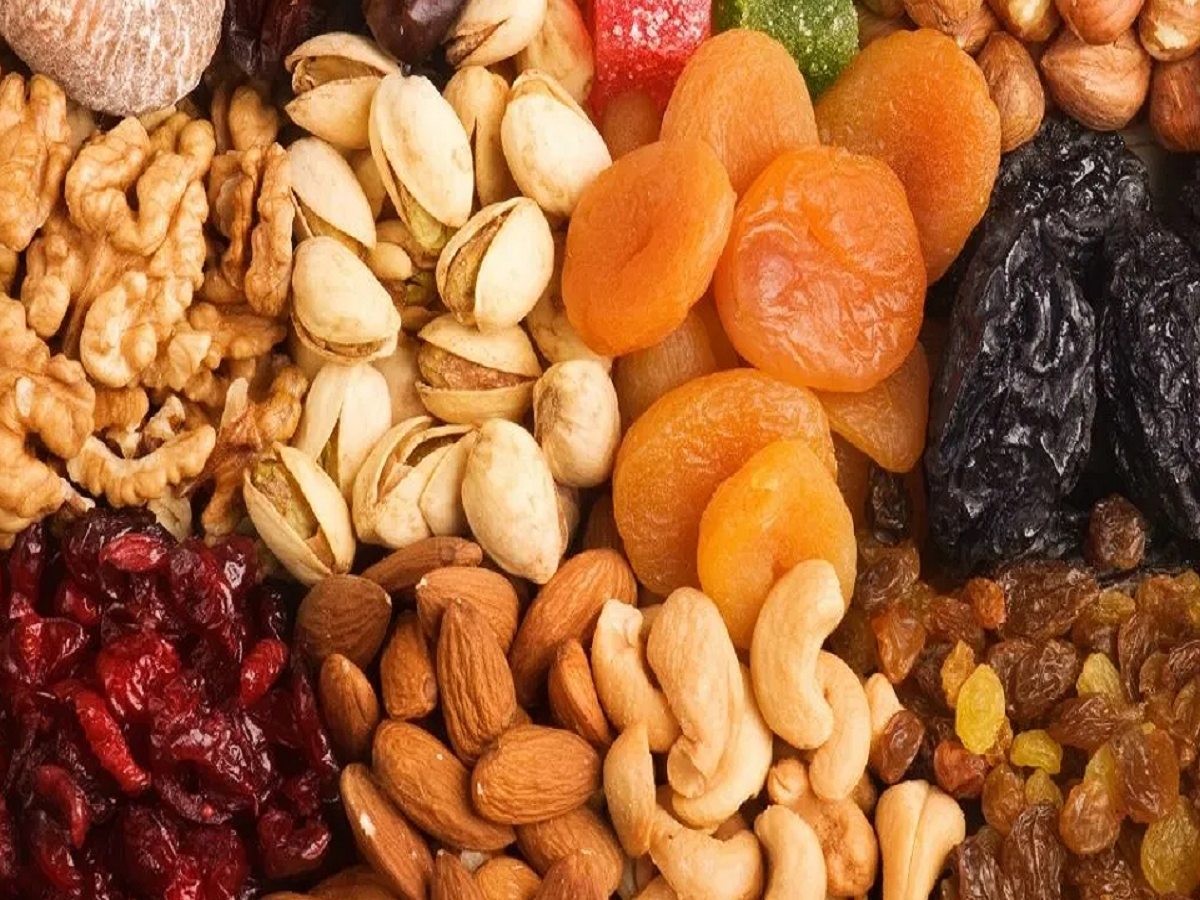
Almonds, cashews, peanuts, and seeds like sesame and sunflower are packed with nutrients, but they also contain oxalates. Consuming them in moderation is key. Overeating these can increase oxalate levels in the body, raising the likelihood of stone formation—particularly for those already at risk.
3. Chocolate and Cocoa Products
Chocolate lovers may need to rethink their intake. Cocoa-based products are known to be high in oxalates. Frequent or excessive consumption can contribute to increased oxalate accumulation in the body, thereby elevating the chances of kidney stones. Enjoying chocolate occasionally is fine, but moderation is crucial.
4. High-Salt Foods: A Major Risk Factor
Salt is one of the biggest contributors to kidney stone formation. Excess sodium causes the body to excrete more calcium through urine, which can lead to the development of stones. Processed foods, packaged snacks, and fast food items are often loaded with hidden salt. Reducing sodium intake can significantly lower your risk.
5. Red Meat and Animal Protein
Diets high in red meat, chicken, and eggs can increase uric acid levels in the body. Elevated uric acid may accumulate in the kidneys and contribute to stone formation. While protein is essential for the body, excessive intake—especially from animal sources—should be avoided, particularly if you have a history of kidney stones.
Why Diet and Hydration Matter
One of the most overlooked causes of kidney stones is inadequate water intake. When the body is dehydrated, minerals and salts become more concentrated in urine, increasing the chances of crystal formation. Drinking enough water throughout the day helps flush out these substances and reduces risk.
Simple Tips to Prevent Kidney Stones
- Drink at least 2–3 liters of water daily
- Limit high-oxalate foods if you are prone to stones
- Reduce salt and processed food intake
- Maintain a balanced diet with controlled protein consumption
- Include citrus fruits like lemon, which may help prevent stone formation
Final Takeaway
Kidney stones can be extremely painful, but they are largely preventable with the right lifestyle choices. Being mindful of what you eat and staying properly hydrated can make a significant difference.