LIFESTYLE
Is Your Superfood Toxic? How to Detect Cancer-Causing 'Rhodamine' Adulteration in Your Ragi Using a Simple Home Test
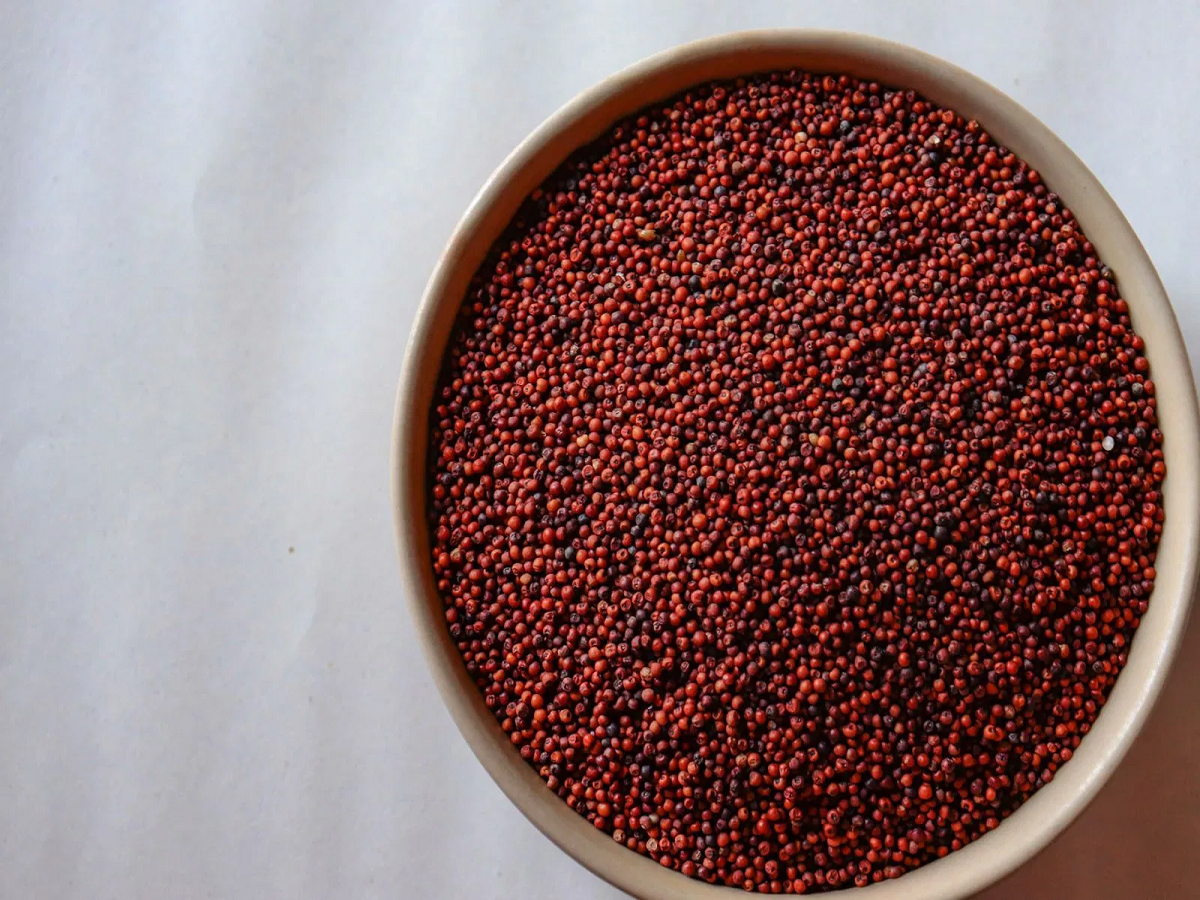
Celebrated as a nutritional powerhouse, finger millet—commonly known as Ragi—has witnessed a massive resurgence in modern diets. Health-conscious consumers are increasingly turning to this ancient grain for sustainable weight loss, robust diabetes management, and natural bone strengthening.
However, as demand skyrockets, so does the threat of food fraud. Unscrupulous manufacturers are increasingly compromising ragi flours and grains with cheap fillers, spoiled powders, and dangerous artificial colors. Simply grabbing a packet off the shelf because it is labeled "organic" or "natural" is no longer a guarantee of safety.
To combat this, the Food Safety and Standards Authority of India (FSSAI) has issued an urgent warning regarding a highly toxic chemical being used to artificially enhance the color of ragi, along with a foolproof method to detect it right in your kitchen.
The Hidden Poison: What is Rhodamine B?
According to food safety officials, adulterators are treating low-quality or fake grains with Rhodamine B to give them the characteristic, deep reddish-brown hue of premium quality ragi.
The Health Hazards
Rhodamine B is a synthetic industrial dye strictly reserved for coloring fabrics, paper, and leather. Its inclusion in food items is completely illegal. Data tracked by the National Center for Biotechnology Information (NCBI) highlights severe health risks associated with ingesting this chemical:
Carcinogenic Properties: Chronic consumption acts as a potent trigger for cancer-causing agents in the human body.
Organ Damage: It poses an immediate, highly toxic threat to liver and kidney functions.
Cellular Mutation: Studies confirm that Rhodamine B directly damages human DNA structures over time.
The FSSAI Cotton Ball Test: How to Check Your Ragi at Home
You do not need an advanced laboratory to verify the purity of your grains. FSSAI recommends this quick, simple, and highly effective home test using standard kitchen items:
Step-by-Step Detection Guide:
-
Pour a small handful of raw ragi grains into a clean bowl.
-
Take a clean, sterile cotton ball and thoroughly saturate it with water or plain vegetable oil.
-
Take the moist cotton ball and rub it firmly against the ragi grains for a few seconds.
The Result:
-
If the ragi is pure: The cotton ball will remain clean or carry a faint, natural dust residue.
-
If the ragi is adulterated: The cotton ball will immediately turn a distinct red or pinkish hue, proving that the artificial industrial dye has bled onto the cotton.
Protect Your Family's Health
If your ragi fails this test, discard the batch immediately and avoid consumption, as the chemical layout can cause irreparable internal harm. Always test your grains immediately after purchasing to ensure that your journey toward holistic wellness isn't accidentally exposing your body to dangerous synthetic toxins.