Amid rising global tensions, fresh developments have surfaced regarding potential talks between Iran and the United States. Reports suggest that Mojtaba Khamenei, described in some outlets as Iran’s new Supreme Leader, may be open to negotiations with Washington, raising hopes of a possible agreement between the two nations. However, conflicting statements from both sides have created uncertainty around the situation.
US Signals Progress in Talks
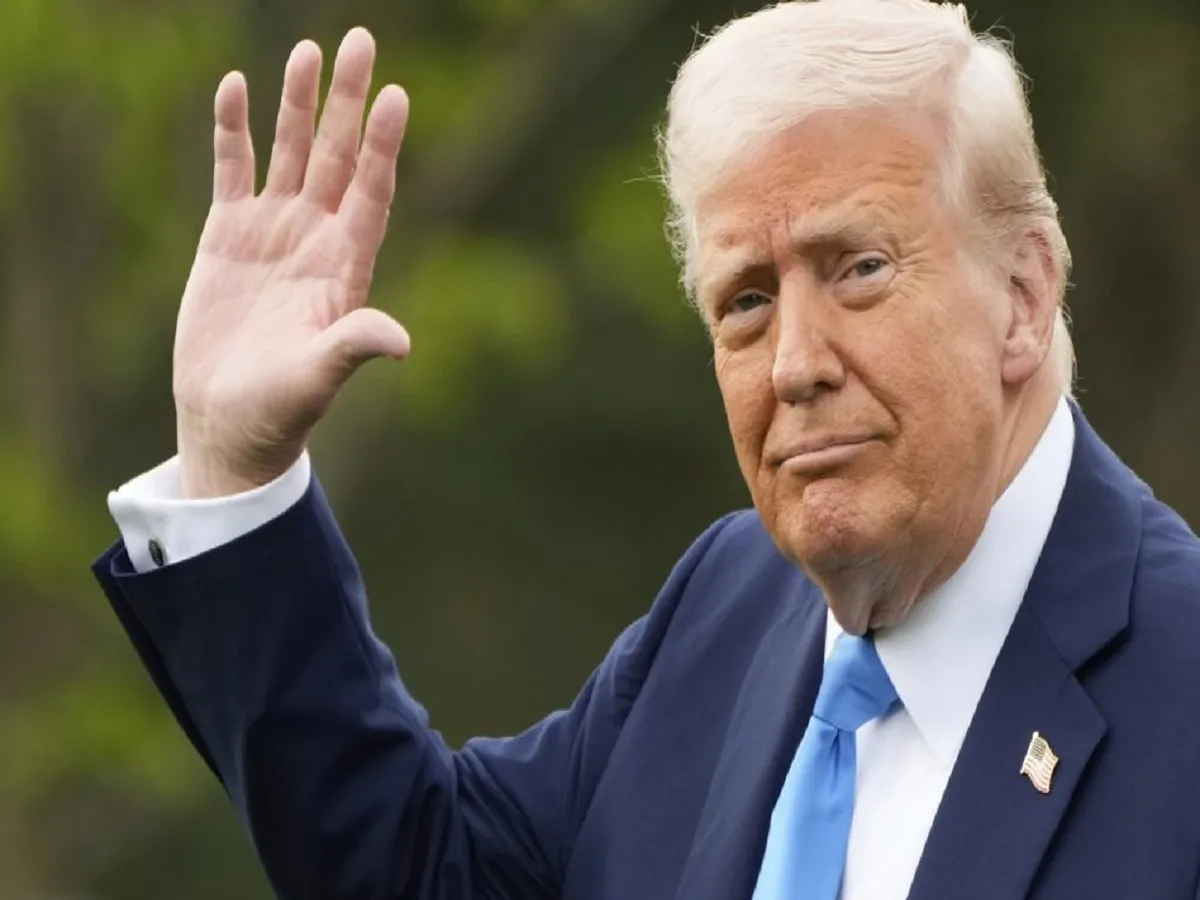
US President Donald Trump has indicated that significant discussions took place recently between American and Iranian representatives. Speaking to reporters, he stated that “very important talks” were held and that both sides have made progress on key issues. Trump added that negotiations are ongoing and could soon lead to a concrete agreement.
He also highlighted the role of key figures such as envoy Steve Witkoff and advisor Jared Kushner in facilitating the discussions, suggesting that diplomatic efforts have intensified in recent days.
Contradictory Response from Iran
Despite claims from the US side, reports citing Iranian sources present a different picture. According to these sources, no direct or indirect talks have taken place between Tehran and Washington. This contradiction has raised questions about the authenticity and stage of the reported negotiations.
Short Timeline for Breakthrough
President Trump has expressed optimism about a swift resolution, stating that the talks have reached a “serious phase.” He suggested that a meaningful outcome could emerge within a matter of days, with Washington reportedly giving a short window for progress.
De-escalation Signals Amid Tensions
In a notable shift, the US has stepped back from earlier threats to target Iran’s power infrastructure. This decision reportedly came after Iran warned of retaliation against US bases and Israeli infrastructure in the region. The pause in military escalation is being viewed as a possible confidence-building measure during ongoing diplomatic efforts.
Strait of Hormuz Remains a Key Issue
The Strait of Hormuz continues to be central to the conflict. Previously, the US had demanded that Iran reopen this critical shipping route, through which a significant portion of the world’s oil supply passes. Disruptions in the strait have already impacted global energy markets, pushing fuel prices higher and raising inflation concerns worldwide.
Global Impact of Ongoing Conflict
The prolonged tensions between the US, Iran, and allied forces have had far-reaching consequences. Reports indicate heavy casualties and widespread disruption to international trade. Concerns have also been raised about potential damage to critical infrastructure, including energy and water facilities in the Gulf region.
Uncertainty Persists
While US officials project optimism, the lack of confirmation from Iran underscores the fragile and uncertain nature of the situation. Whether these reported talks will translate into a formal agreement remains unclear, but the developments are being closely watched due to their significant geopolitical and economic implications.