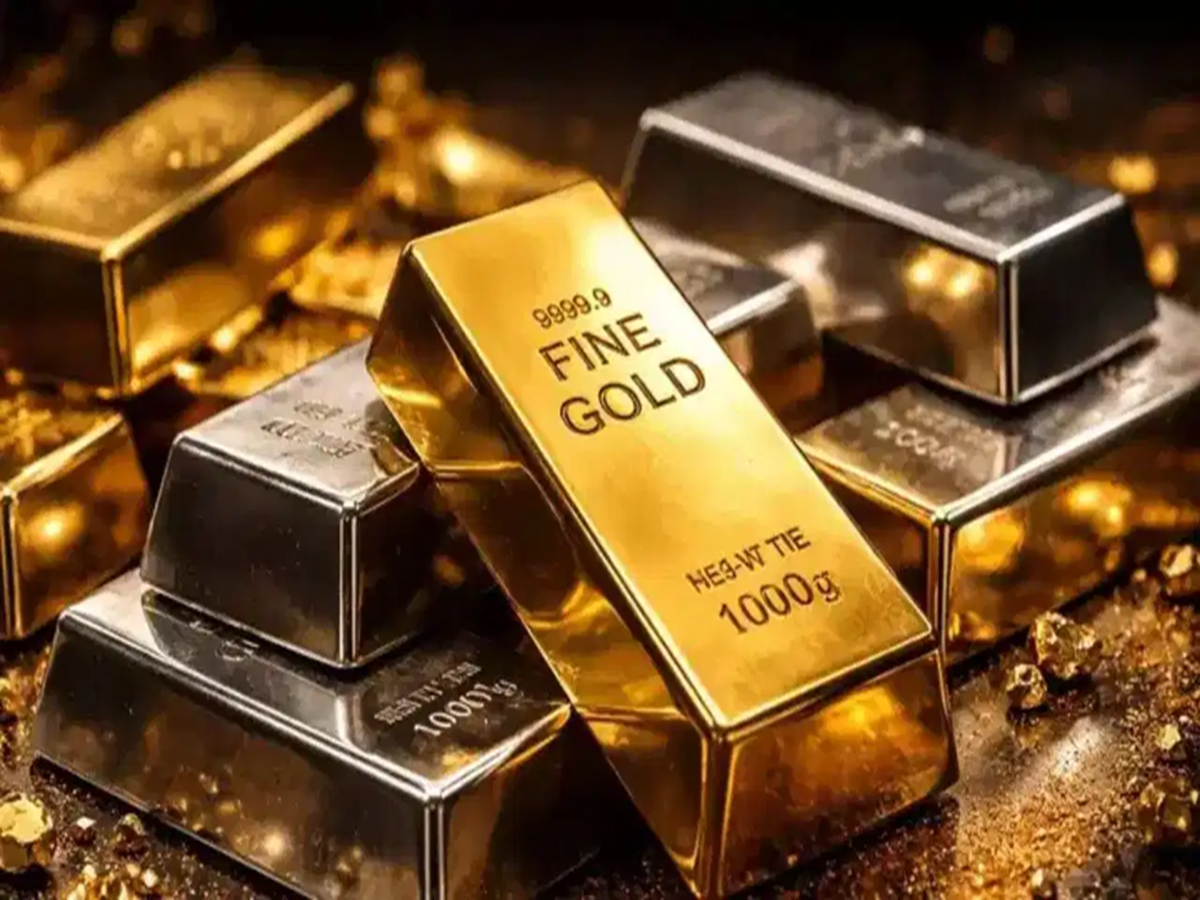
India's gold demand declined during the April–June quarter of 2026, according to the latest World Gold Council (WGC) Gold Demand Trends report. Total demand fell 6% year-on-year to 131.4 tonnes, compared with 139.7 tonnes in the same period last year.
While demand by volume softened, the value of gold purchases reached a record level due to significantly higher prices.
Gold Demand Value Hits a Record
According to the WGC, the total value of gold consumption during the quarter stood at approximately ₹1.98 lakh crore, up from around ₹1.32 lakh crore a year earlier—an increase of nearly 50%.
The rise reflects the sharp increase in gold prices, meaning consumers spent more overall despite buying fewer tonnes of gold.
Why Did Gold Demand Decline?
The WGC attributed the moderation in demand to a combination of factors, including:
-
Seasonal weakness in jewellery purchases.
-
Higher gold prices.
-
Increased import duties.
-
Other market conditions affecting consumer buying behaviour.
The report also noted that Prime Minister Narendra Modi had appealed in May for people to reduce non-essential gold purchases to help lower the country's import bill amid volatile global crude oil prices. The WGC cited this appeal as one of several factors that may have influenced market sentiment, rather than identifying it as the sole reason for the decline.
Jewellery Demand Sees a Sharp Drop
Jewellery demand recorded the biggest decline during the quarter.
-
Q2 2026: 75.1 tonnes
-
Q2 2025: 88.8 tonnes
This represents a 15% year-on-year decline, reflecting the impact of elevated prices and softer seasonal demand.
Investment Demand Remains Strong
While jewellery demand weakened, investment demand continued to grow.
Key highlights include:
-
Gold bar and coin demand increased 9% year-on-year to 50.3 tonnes.
-
Indian gold exchange-traded funds (ETFs) recorded net inflows of 4.2 tonnes, even as some global gold ETFs experienced outflows.
According to the WGC, these trends suggest that many investors continue to view gold as a portfolio diversifier and a hedge during periods of economic uncertainty.
WGC's Outlook for 2026
The World Gold Council expects India's total gold demand for 2026 to remain in the range of 650–750 tonnes.
The organisation believes demand is likely to settle around the middle of that range, although future trends will depend on factors such as:
-
Global geopolitical developments.
-
Interest rate movements.
-
Inflation.
-
Domestic gold prices.
-
Import duty policies.
A moderation in gold prices or lower import duties could support stronger demand later in the year.
Concerns Over Illegal Gold Trade
The WGC also expressed concern about reports of increased gold smuggling following higher import duties.
According to the organisation, illegal imports pose a significant challenge for the industry and may distort official demand and trade data. The council said it will continue monitoring developments in the coming quarters.
Gold Recycling and Imports Decline
Other notable trends from the report include:
-
Recycled gold fell 17% year-on-year to 19.2 tonnes, compared with 23.1 tonnes in the same quarter of 2025.
-
India's gold imports declined 23% to 98.1 tonnes, down from 127.4 tonnes a year earlier.
Festive Season Could Support Demand
Looking ahead, the WGC expects the upcoming festive and wedding season to provide support for gold demand. Although higher prices may influence buying patterns, Indian consumers have historically adapted by adjusting the quantity or type of gold they purchase rather than avoiding purchases altogether.
The Bottom Line
India's gold demand by volume eased during the April–June quarter, but the overall value of purchases reached a record high because of elevated gold prices. The World Gold Council attributes the decline in demand to a mix of seasonal factors, higher prices, import duties, and broader market conditions, while noting that the Prime Minister's appeal to limit non-essential gold purchases may also have influenced sentiment. Despite softer jewellery sales, investment demand remained resilient, highlighting gold's continued appeal as a long-term investment.
Disclaimer: Gold demand figures are based on the World Gold Council's published estimates. Market conditions, prices, and consumer demand may change over time.