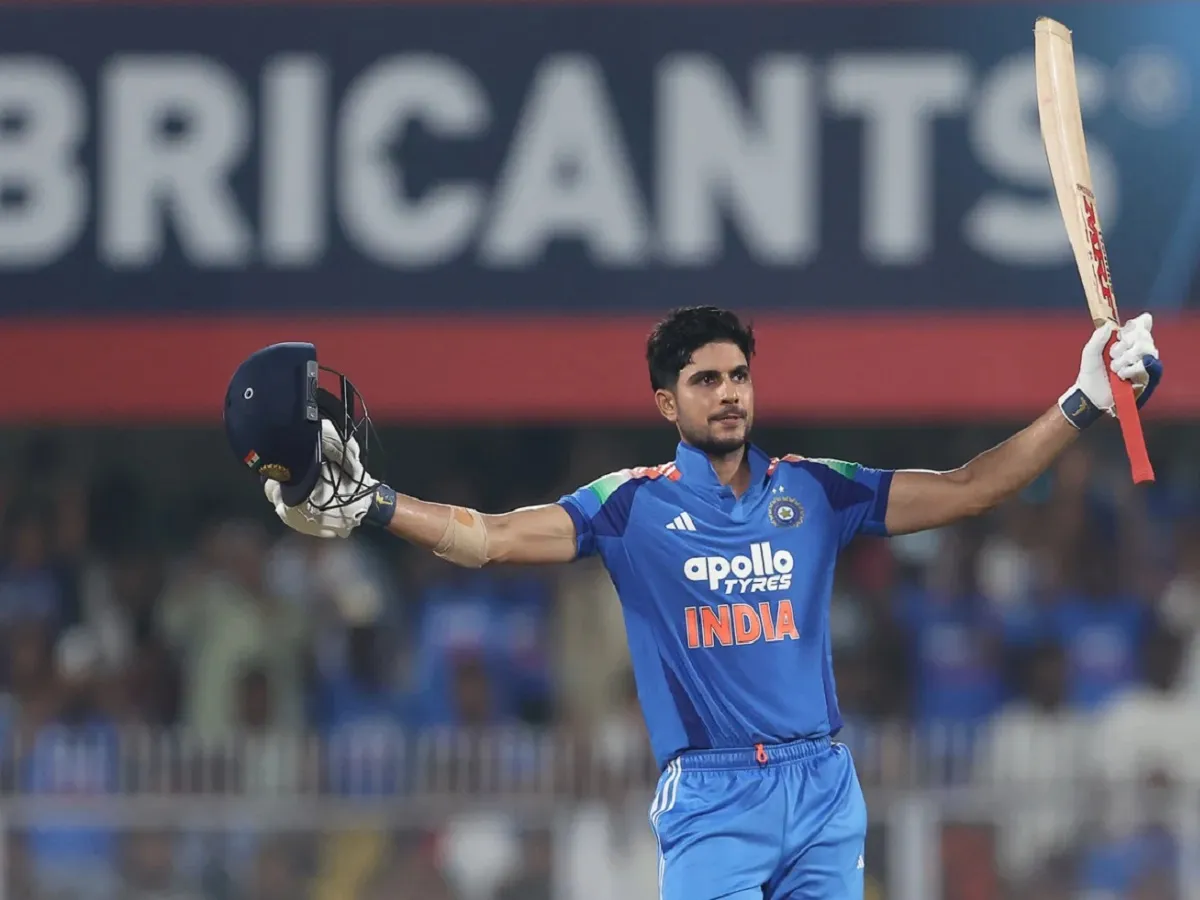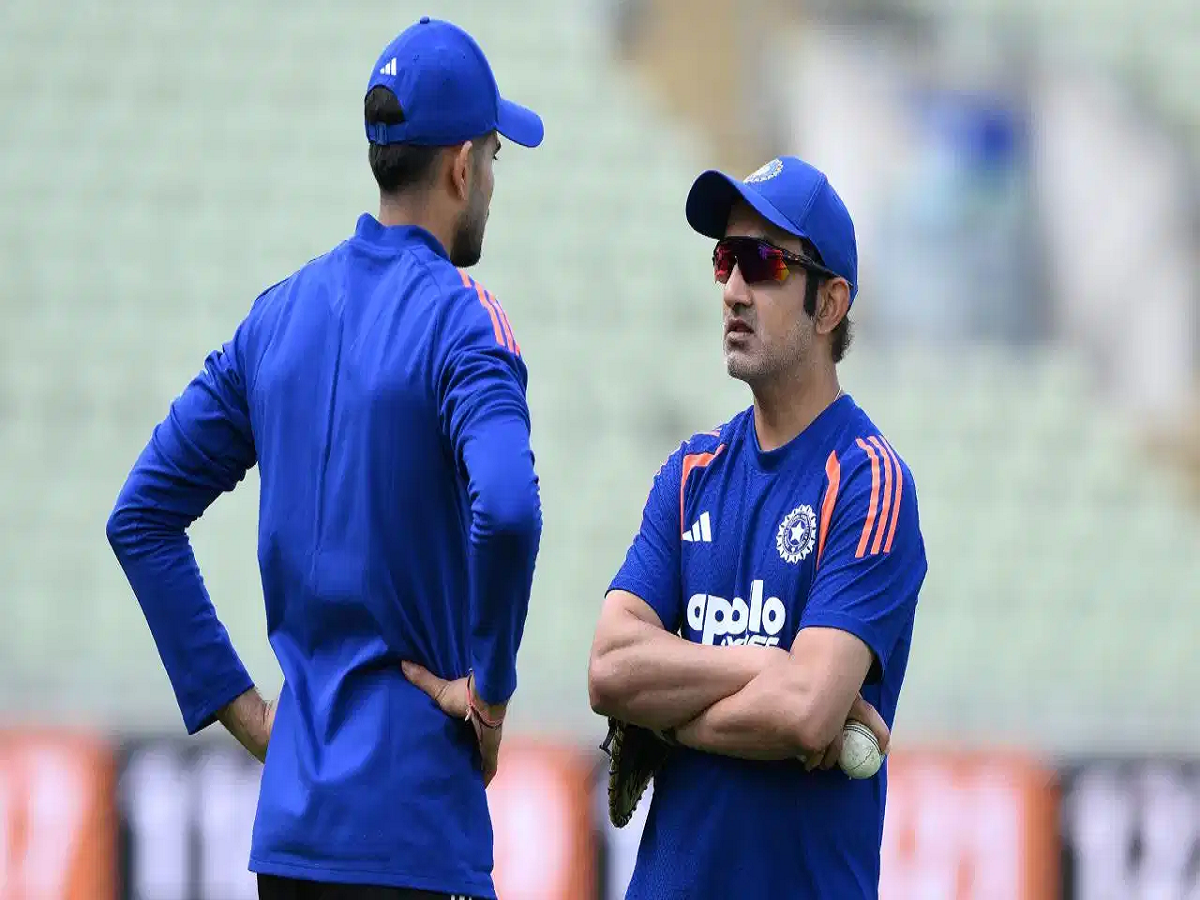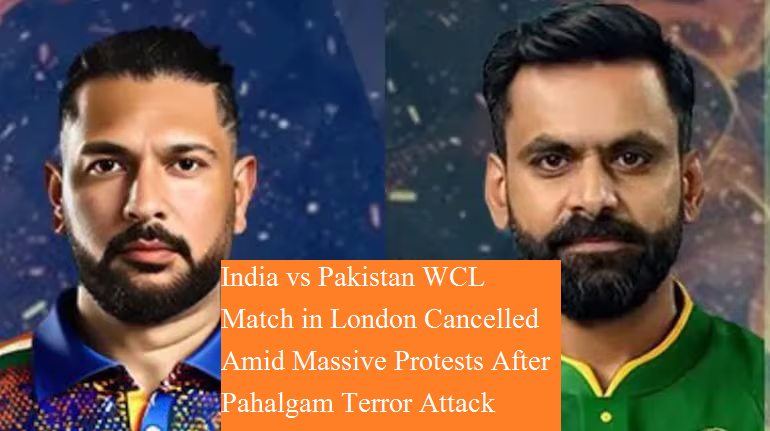
In a dramatic turn of events, the much-anticipated India vs Pakistan veterans cricket match, which was scheduled to take place at Edgbaston Cricket Ground in London on Sunday, July 20, 2025, has been officially cancelled. The decision comes after widespread public outrage in the wake of the recent terror attack in Pahalgam, Jammu & Kashmir. Several former Indian cricketers, including Shikhar Dhawan, Suresh Raina, Irfan Pathan, Harbhajan Singh, and Yusuf Pathan, withdrew from the match in protest, refusing to play against Pakistan.
The World Championship of Legends (WCL) issued an official statement late Saturday night, acknowledging that organizing the match in the current climate had unintentionally hurt public sentiments and stirred emotional unrest. The statement further extended a formal apology to the fans, stating:
“By organizing this match, we have unknowingly hurt the sentiments of many and understand the emotional impact it has caused. We deeply regret this and have decided to cancel the India vs Pakistan game.”
Public Sentiment Overrides Cricket Diplomacy
The match, which was positioned as a friendly exhibition event to reignite nostalgic rivalries and promote sportsmanship, quickly became the center of controversy. The timing—just days after the Pahalgam terror attack—sparked sharp criticism from political leaders, public figures, and the general public.
Shikhar Dhawan, one of the star names in the Indian veterans’ squad, issued a clear statement on his official social media handles, confirming that he would not be participating in any match against Pakistan in the WCL.
“This is to formally reiterate that Shikhar Dhawan will not participate in any match against Pakistan in the WCL. This decision had already been communicated on May 11 during a phone and WhatsApp discussion,” the statement read.
Soon after, other former Indian cricketers, including Harbhajan Singh, Irfan Pathan, and Yusuf Pathan, also withdrew from the game citing national sentiment and public outrage.
Political Leaders Voice Their Opposition
The controversy took a political turn when Yogesh Kadam, Maharashtra’s Minister of State for Home Affairs, voiced strong opposition against India-Pakistan cricket ties in light of repeated cross-border terror attacks.
In a statement, he said:
“Is it appropriate to conduct a cricket match with a nation that is continually responsible for terrorist activities against India? Especially after our soldiers were martyred in the recent Pahalgam attack. This is not just a cricket match—it’s a question of national emotion. The BCCI and ICC must seriously reconsider such events.”
He emphasized that sports bodies need to show sensitivity and refrain from actions that could be perceived as disrespectful to national sacrifices.
WCL Apologizes, Aims to Heal
WCL organizers explained that the intent behind scheduling the India vs Pakistan match was to create joyful memories for cricket fans, inspired by the positive response to a recent India-Pakistan volleyball exhibition game. However, the unexpected backlash prompted immediate introspection and led to the match’s cancellation.
The Indian team for the WCL includes several high-profile former cricketers such as Yuvraj Singh, Robin Uthappa, Ambati Rayudu, Stuart Binny, Varun Aaron, and Vinay Kumar. Organizers had hoped that the game would bring fans across borders together, but current events made that impossible.
Key Takeaways:
-
The India vs Pakistan veterans cricket match in London has been officially cancelled due to strong public and political opposition.
-
The decision follows the Pahalgam terror attack, which intensified calls to sever sporting ties with Pakistan.
-
Prominent Indian players, including Shikhar Dhawan and Suresh Raina, opted out of the game as a mark of respect to national sentiment.
-
WCL has issued a public apology, stating that they never intended to hurt anyone’s emotions.
-
The episode highlights how sports diplomacy often faces limitations in the face of political and national trauma.
This cancellation sends a clear message: while sports can unite, timing and context matter deeply—especially when emotions run high due to tragic national incidents.