TECH
India Semiconductor Mission 2.0: Government's New Chip Strategy Could Boost Electronics Manufacturing and Create Tech Jobs
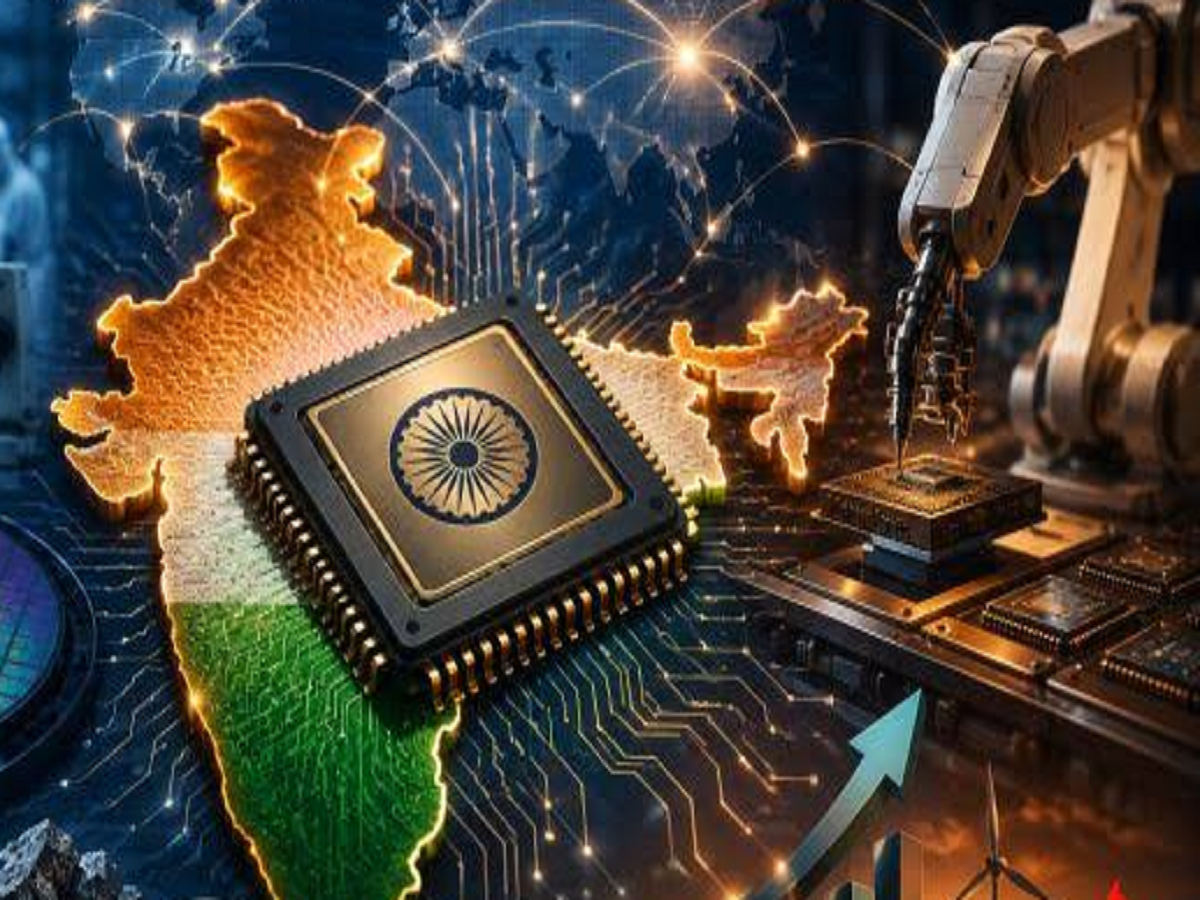
From smartphones and laptops to electric vehicles, medical equipment and artificial intelligence systems, semiconductors have become essential to almost every modern technology. Recognising their importance, the Government of India has introduced a new phase of its semiconductor development strategy through India Semiconductor Mission 2.0.
Announced in the Union Budget 2026–27, the initiative aims to strengthen India's domestic semiconductor ecosystem, reduce dependence on imported technology and encourage the development of advanced chip manufacturing capabilities.
The focus is not limited to manufacturing semiconductor chips. The government also wants to build expertise in chip design, semiconductor equipment, materials and supply chains.
What Is India Semiconductor Mission 2.0?
India Semiconductor Mission 2.0 is the next phase of the government's efforts to establish India as a major semiconductor manufacturing and technology hub.
Semiconductors are the tiny electronic components that control how devices process information. They are used in smartphones, computers, cars, communication networks, industrial machines and several other products.
The new mission focuses on three major areas:
-
Manufacturing semiconductor equipment and materials within India.
-
Developing complete Indian semiconductor intellectual property and chip-design capabilities.
-
Strengthening domestic and international semiconductor supply chains.
The objective is to create a more complete ecosystem instead of depending heavily on other countries for critical components and manufacturing technology.
Why Does India Need Its Own Semiconductor Industry?
India is one of the world's largest markets for electronic products, but a significant part of its semiconductor requirements is met through imports.
This creates challenges when global chip shortages, supply-chain disruptions or geopolitical tensions affect availability and prices.
Developing domestic semiconductor capabilities could help India improve supply-chain resilience and support industries that depend on advanced electronic components.
It could also encourage international semiconductor companies to establish manufacturing, research and development operations in the country.
Focus on Chip Design and Advanced Manufacturing
One of the important priorities of Semiconductor Mission 2.0 is to strengthen India's capabilities in semiconductor design.
Chip design requires highly specialised engineering skills and advanced software tools. Indian engineers already work in semiconductor design and research, and the new initiative aims to strengthen domestic expertise further.
The mission also places importance on semiconductor manufacturing equipment and specialised materials. These are essential for producing chips and maintaining advanced fabrication facilities.
Developing these capabilities could help Indian companies participate in more stages of the global semiconductor supply chain.
How Could the Mission Benefit Smartphones, Cars and AI?
Semiconductors are used across several industries, making the initiative important beyond the electronics sector.
-
Smartphones and laptops: Domestic chip capabilities could support India's expanding electronics manufacturing industry.
-
Electric vehicles: EVs require semiconductor components for battery management, power control and electronic systems.
-
Artificial Intelligence: AI servers and computing infrastructure depend on advanced processors and memory chips.
-
Telecommunications: Network equipment requires specialised semiconductor components.
-
Healthcare: Medical devices and diagnostic equipment use chips for monitoring, processing and communication.
A stronger domestic ecosystem could help these industries access a more reliable supply of critical components over time.
Will Semiconductor Mission 2.0 Create Employment Opportunities?
The semiconductor industry requires engineers, technicians, researchers and skilled manufacturing professionals.
As manufacturing facilities, design centres and supporting industries expand, demand could increase for specialists in electronics engineering, materials science, chip design, robotics, automation and quality control.
Students interested in this sector can consider courses in electronics and communication engineering, electrical engineering, VLSI design and semiconductor technology.
However, the actual number of jobs will depend on the projects established, their investment levels and the pace of implementation.
What Does This Mean for India's Technology Future?
India Semiconductor Mission 2.0 represents an important step towards building a stronger domestic electronics and semiconductor ecosystem.
The success of the initiative will depend on factors such as access to advanced technology, skilled workers, reliable infrastructure, investment and global industry partnerships.
If these efforts progress as planned, India could strengthen its position in the global semiconductor supply chain while supporting the growth of smartphones, electric vehicles, artificial intelligence and other technology-driven industries.