BUSINESS
Income Tax Changes in Budget 2026: New Tax Law from April 1, Easier ITR Filing and Major Reliefs Explained
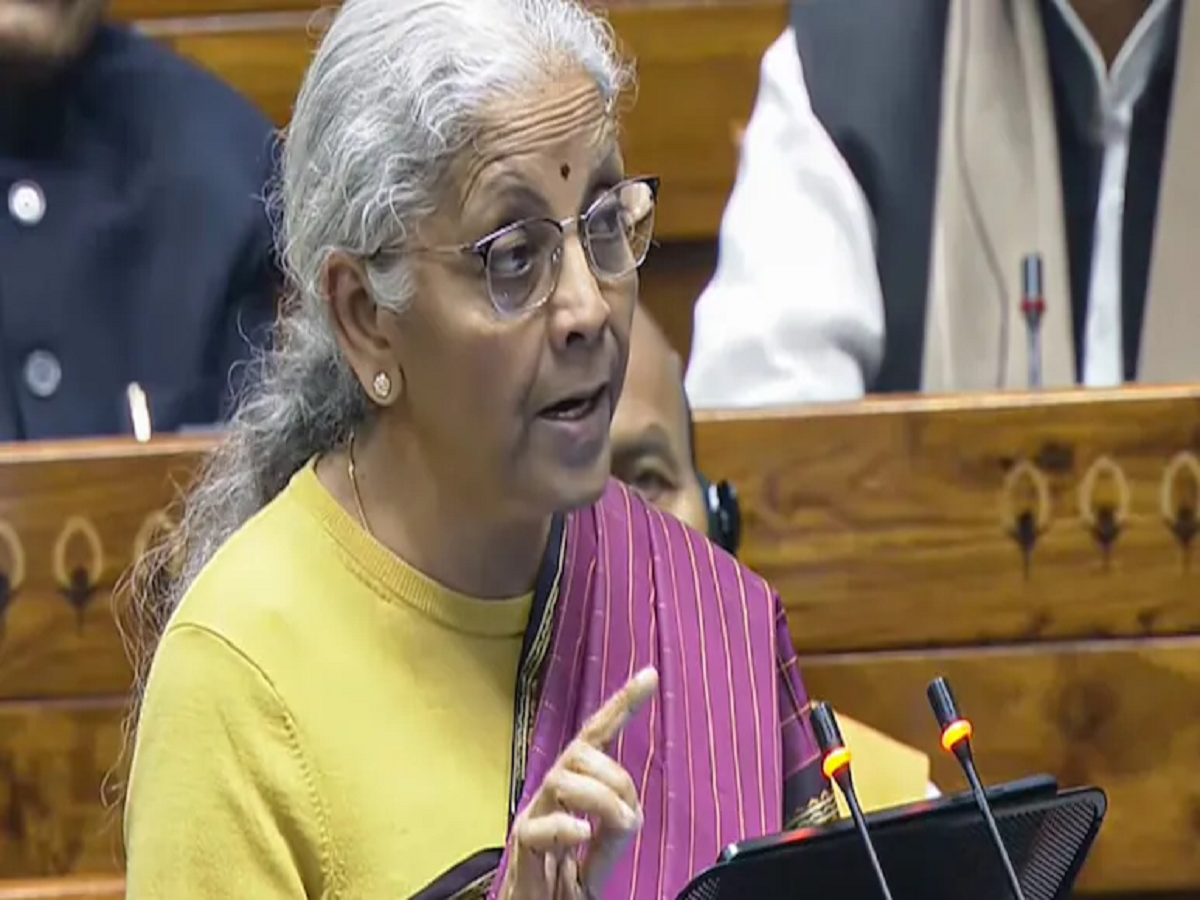
The Union Budget 2026-27 has brought significant updates for taxpayers, with Finance Minister Nirmala Sitharaman announcing the implementation of a new Income Tax Act from April 1, 2026. Along with a simplified tax framework, the government has introduced easier return filing processes, revised timelines, and reduced tax collection at source (TCS) on several key expenses such as foreign travel, education, and healthcare.
These measures aim to make tax compliance smoother, reduce litigation, and offer relief to individuals, NRIs, and small businesses.
New Income Tax Law to Take Effect from April 1
One of the most important announcements in Budget 2026 is the rollout of the new Income Tax Act, which will replace the existing framework. According to the finance minister, the new law has been designed with a simplified structure, fewer sections, and clearer language so that taxpayers can understand provisions without relying heavily on tax experts.
The government has confirmed that the new income tax return (ITR) forms will also be available from April 1, 2026, ensuring a smoother transition to the updated system.
ITR Filing Becomes Easier and More Flexible
To reduce compliance pressure, the government has extended ITR filing deadlines:
-
ITR-1 and ITR-2 taxpayers can now file returns until July 31
-
Non-audit businesses and trusts can file returns up to August 31
Additionally, revised income tax returns can now be filed up to March 31 with a nominal fee, instead of the earlier December 31 deadline. This change gives taxpayers more time to correct mistakes without facing heavy penalties.
The finance minister emphasized that the goal is to allow individuals to file returns without professional assistance, making the system citizen-friendly.
Major TCS Reductions Bring Relief
Budget 2026 has announced significant reductions in Tax Collected at Source (TCS) across multiple categories:
-
Foreign travel: TCS reduced to 2%
-
Education and healthcare expenses abroad: TCS reduced from 5% to 3%
-
Overseas education expenses: TCS reduced from 5% to 2%
These changes are expected to make foreign travel, international education, and medical treatment abroad more affordable for Indian residents.
Key Relief for NRIs in Property Transactions
The budget simplifies tax rules for Non-Resident Indians (NRIs) involved in property sales in India. Going forward:
-
TDS on property sold by NRIs will be deducted by the resident buyer
-
TAN registration will no longer be mandatory for such transactions
This move reduces paperwork and compliance hurdles, making real estate transactions easier for NRIs.
No Jail for Income Concealment, Only Monetary Penalty
In a major reform, the government has removed criminal punishment for certain cases of income concealment. Instead, a flat 30% tax penalty will be imposed, signaling a shift toward a non-adversarial tax regime.
Additional Taxpayer-Friendly Announcements
-
Foreign assets can now be declared within six months
-
Compensation awarded by Motor Accident Claims Tribunals (MACT) will be fully exempt from income tax
-
Simplified forms for individual taxpayers
-
Clearer rules to reduce disputes and litigation
Why These Changes Matter
Budget 2026 reflects the government’s intention to build trust between taxpayers and the tax administration. While no changes were made to tax slabs, the reforms focus on ease of compliance, transparency, and reduced financial burden.
With the new Income Tax Act coming into force from April 1, 2026, taxpayers can expect a more straightforward, predictable, and digital-friendly tax system.