TECH
IIT Kanpur Director and Student Clash Over Telegram Ban Before NEET Re-Exam, WhatsApp Comparison Sparks Debate
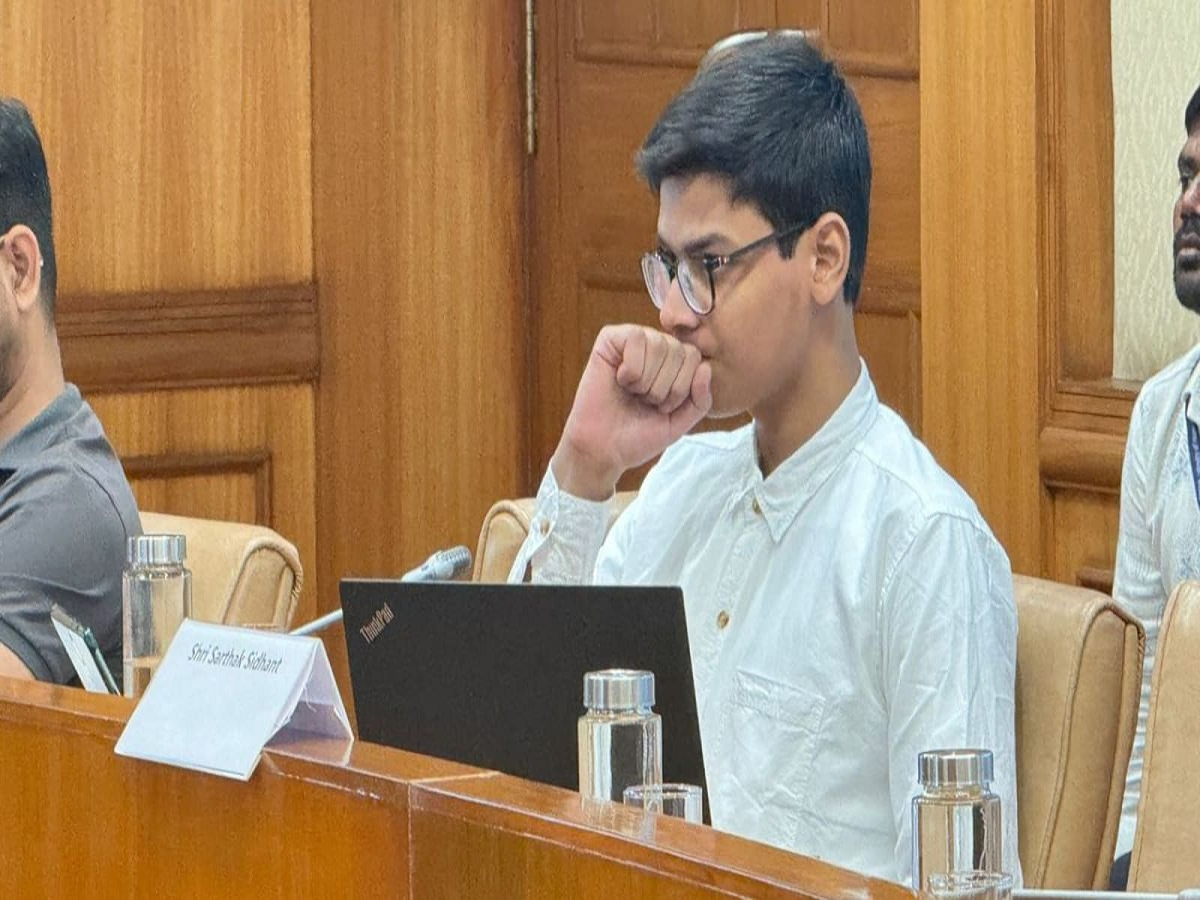
The temporary suspension of Telegram in India ahead of the NEET-UG 2026 re-examination has triggered a major debate online, with a public exchange between IIT Kanpur Director Manindra Agrawal and student activist Sarthak Siddhanta drawing widespread attention.
The controversy revolves around a simple but contentious question: If misinformation is the reason for blocking Telegram, why has similar action not been taken against WhatsApp or other social media platforms?
Social Media Post Ignites Discussion
The debate began after 18-year-old student Sarthak Siddhanta criticized the government's decision to block Telegram until June 22, 2026. Taking to social media, he questioned whether banning an entire communication platform was an appropriate response to the spread of misinformation.
Sarthak argued that misleading information is not limited to Telegram and can also be found on platforms such as WhatsApp. He suggested that selectively targeting one platform raises questions about the consistency of such decisions.
The post quickly gained traction online, sparking discussions among students, educators, and social media users.
Manindra Agrawal Explains Why Telegram Is Different
Responding to the criticism, Manindra Agrawal defended the government's move and highlighted what he described as Telegram-specific concerns.
According to Agrawal, the issue was not merely the circulation of alleged leaked exam papers. He claimed that Telegram had become a major channel for spreading misleading claims about paper leaks, creating confusion and anxiety among students preparing for important examinations.
He also referred to similar incidents during the JEE Advanced examination period, where false leak claims allegedly spread through Telegram groups and channels.
Debate Expands to Other Platforms
The discussion intensified when Sarthak argued that if misinformation alone is sufficient reason to block a platform, then platforms such as X (formerly Twitter) could also face similar scrutiny.
He maintained that dissenting opinions should not automatically be classified as misinformation and argued that restricting communication platforms is not the ideal solution to combating false information.
The exchange soon became one of the most discussed education-related debates on social media.
Technical Disagreement Over Telegram's Features
A key point of disagreement centered on Telegram's message-editing system.
Agrawal claimed that Telegram's editing features could potentially be misused to create misleading evidence. According to him, altered messages may contribute to false narratives surrounding paper leaks and examination fraud.
Sarthak strongly disputed this argument. He stated that Telegram clearly marks edited messages and provides information about edits through its technical infrastructure. Referring to the platform's open-source code, he argued that the claim about hidden edits was inaccurate.
The disagreement shifted the discussion from policy to technology, with both sides presenting different interpretations of how Telegram's features work.
Why Was Telegram Temporarily Blocked?
According to official statements, the temporary restriction was implemented following recommendations linked to the NEET-UG 2026 re-examination scheduled for June 21.
Authorities reportedly found several Telegram channels claiming to provide access to question papers in exchange for money. These channels allegedly targeted students and parents by promising leaked exam materials and charging substantial fees.
Officials stated that such claims were fraudulent and designed to exploit anxious candidates.
The restriction was introduced as a temporary measure aimed at limiting the spread of misleading information and preventing scams during the examination period.
Government's Concerns About Telegram
Authorities reportedly cited several features that they believe make Telegram attractive to fraudulent networks:
-
Ability to operate through usernames without publicly displaying phone numbers.
-
Creation of large channels capable of reaching massive audiences.
-
Easy sharing of large files and documents.
-
Editing capabilities that investigators believe can sometimes be misused.
Officials also alleged that some groups were modifying older messages and attaching content later to create the impression that exam papers had been leaked in advance.
Telegram vs WhatsApp
The discussion has also highlighted differences between Telegram and WhatsApp.
Supporters of the government's decision argue that WhatsApp has stricter limitations on message editing and file-sharing workflows. They also point to Meta's moderation systems and cooperation with law enforcement requests.
Critics, however, maintain that misinformation exists across all major platforms and that platform-specific bans may not address the broader problem.
Debate Continues
The exchange between Sarthak Siddhanta and Manindra Agrawal has become a focal point in the larger conversation about digital platforms, misinformation, exam security, and government regulation.
While supporters view the temporary Telegram suspension as a necessary step to protect students from fraud, critics argue that broader and more transparent solutions are needed to tackle misinformation without restricting access to communication platforms.
As the NEET-UG re-examination approaches, the debate is likely to continue both online and within educational circles across the country.