LIFESTYLE
If you suddenly have a heart attack while alone, take these steps immediately; the doctor told 7 important things
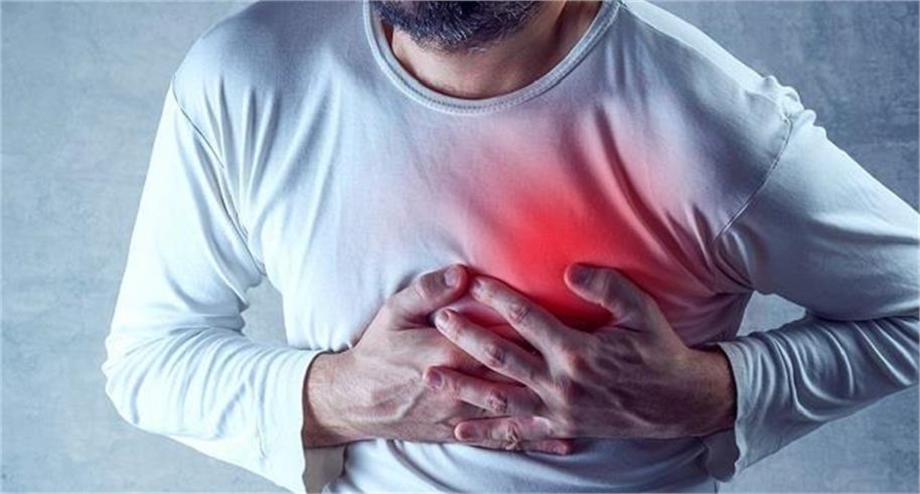
Heart patients are at the highest risk of a heart attack when they are alone. Physician Dr. Amandeep Aggarwal explains that it’s important to recognize heart attack symptoms such as chest pressure, pain in the left arm, sweating, difficulty breathing, or sudden chills. Heart…
It’s crucial for heart patients to know how to respond immediately if they experience a heart attack while alone. A heart attack can happen to anyone at any time, but timely action can help save lives. A physician shared important steps to take during a heart attack on his Instagram handle.
If you have a heart attack alone, take these steps immediately.
- Stay calm and stop moving:
If you experience symptoms of a heart attack, sit somewhere safe immediately. Moving around can increase the risk of dizziness and falls. - Sit with a 45 degree bend:
Sit with your body slightly tilted forward. This improves blood circulation and reduces pressure on the heart.
3. Take Disprin if possible:
If you have Disprin available at home, you can chew and swallow one tablet. This helps buy time until the ambulance arrives. Remember; do not take it if your doctor has already advised against it.
- Call for help immediately:
Seek immediate help by calling/messaging emergency services like 108 or your family members. - Open the windows and doors of the house:
So that the ambulance or help can reach you as soon as possible. - Don’t panic:
In this situation, panic can make the situation worse. It’s crucial to remain calm.
Follow these steps until you reach the hospital:
Dr. Agarwal clarified that these tips are not a substitute for treatment, but can help save lives during a heart attack until one reaches the hospital.
Common symptoms of a heart attack
According to doctors, the body gives off several signals before a heart attack occurs. These include:
- Feeling pain or stiffness in the left arm.
- Pressure, heaviness, or burning in the chest.
- Sudden excessive sweating.
- Difficulty in breathing.
- Feeling cold inside or nervous.·
- Burning or acid-like sensation in the chest at night in middle-aged people.
PPC: Punjab Kesari