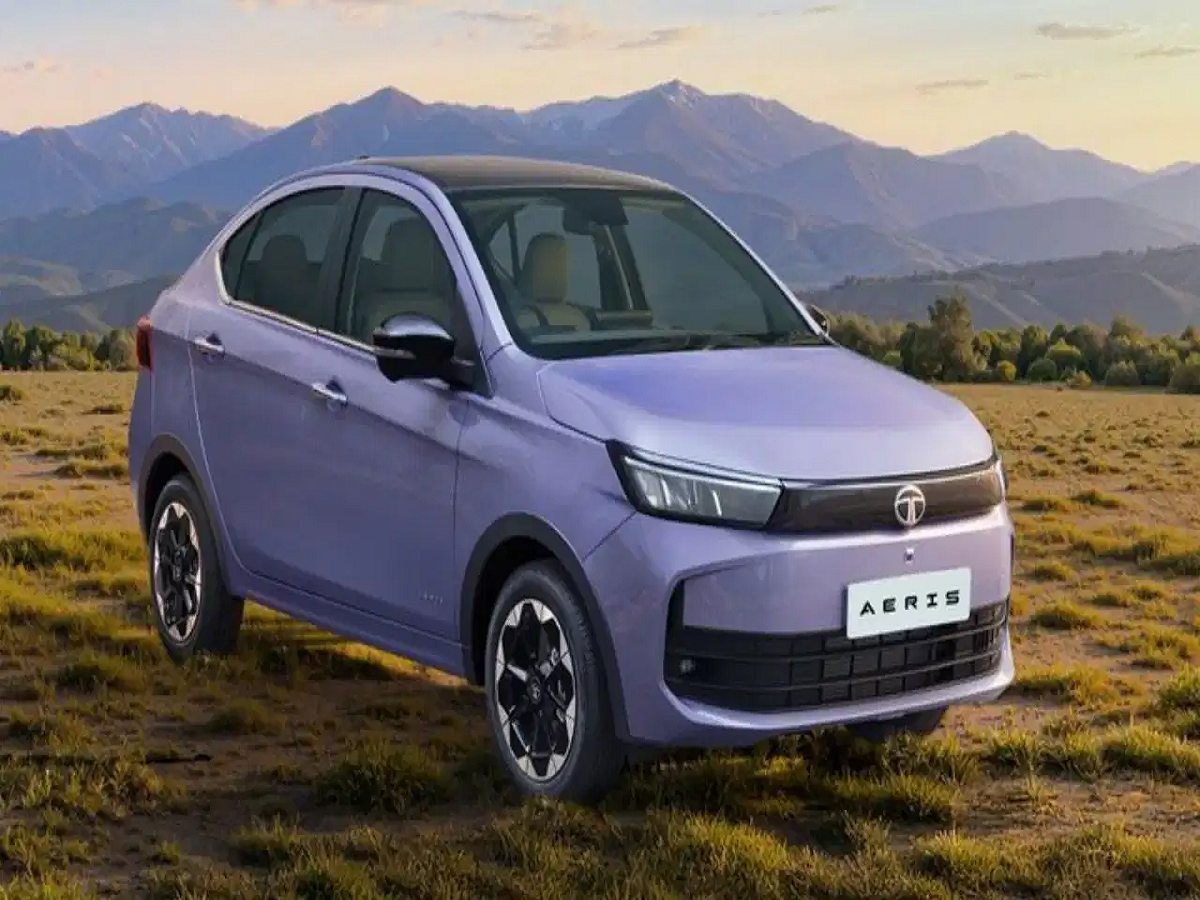
Hyundai is gearing up to introduce the new Bayon in India, and the company has released another teaser offering a closer look at the upcoming SUV. Bookings have already begun at Hyundai dealerships, while the official launch is expected in October 2026.
Although Hyundai has not revealed all the details yet, the latest teaser gives a clearer idea of the Bayon's design, technology and expected powertrain options.
A more muscular SUV design
The new Hyundai Bayon is expected to feature a significantly more modern and muscular design compared with its predecessor.
At the front, the SUV gets a prominent bonnet and Hyundai's distinctive H-shaped LED daytime running lights. Unlike several newer SUVs that use a full-width LED light bar, the Bayon appears to retain a more conventional lighting arrangement.
The side profile gets 16-inch dual-tone alloy wheels, thick body cladding and roof rails, giving the SUV a more rugged stance.
Feature-packed cabin
The Bayon's cabin is expected to focus heavily on technology and comfort.
Some of the expected features include:
-
Automatic climate control
-
Panoramic sunroof
-
Ventilated front seats
-
Electrically adjustable front seats
-
360-degree camera
-
Connected-car technology
-
Advanced infotainment features
One of the most interesting additions could be Hyundai's built-in generative AI voice assistant. The company is positioning the Bayon as an "intelligent utility vehicle", allowing occupants to access various functions using voice commands.
Level-2 ADAS could make it safer
Hyundai is also expected to equip the Bayon with a comprehensive safety package.
The SUV is likely to get six airbags as standard, while higher-end variants could feature Level-2 Advanced Driver Assistance Systems (ADAS).
These systems can provide features such as driver alerts and assistance in situations including lane keeping, collision avoidance and adaptive cruise control, depending on the final specification.
The Bayon is based on Hyundai's global K Enhanced Platform, but its eventual safety rating in India will only be known after official crash testing. Any specific India NCAP rating should therefore not be assumed until it is officially announced.
1.5-litre petrol engine expected
The Hyundai Bayon is expected to be powered by a 1.5-litre naturally aspirated petrol engine.
The engine could be offered with both a manual transmission and an IVT automatic, giving buyers the choice between conventional manual driving and an automatic setup.
CNG version could be a major highlight
One of the most interesting aspects of the new Bayon could be its factory-fitted CNG option.
If introduced as expected, the Bayon could become Hyundai's first sub-4-metre SUV in India to receive a company-fitted CNG powertrain.
Another notable aspect is the reported positioning of the CNG tank underneath the vehicle rather than taking up significant boot space. This could allow owners to retain more usable luggage capacity.
Launch expected in October 2026
Hyundai has already started accepting bookings for the new Bayon through its dealership network.
The company is expected to officially launch the SUV in India in October 2026, when details such as variant-wise features, specifications and pricing will be announced.
The bottom line
The new Hyundai Bayon appears to be aimed at buyers looking for a compact SUV with a strong mix of technology, comfort and practicality.
Its muscular styling, panoramic sunroof, ventilated seats, 360-degree camera, generative AI voice assistant and expected Level-2 ADAS could give it a strong technology advantage. The possible factory-fitted CNG option could further broaden its appeal.
With the launch just around the corner, the biggest questions now are its final pricing, engine specifications and how Hyundai positions it against rivals in India's highly competitive compact-SUV market.