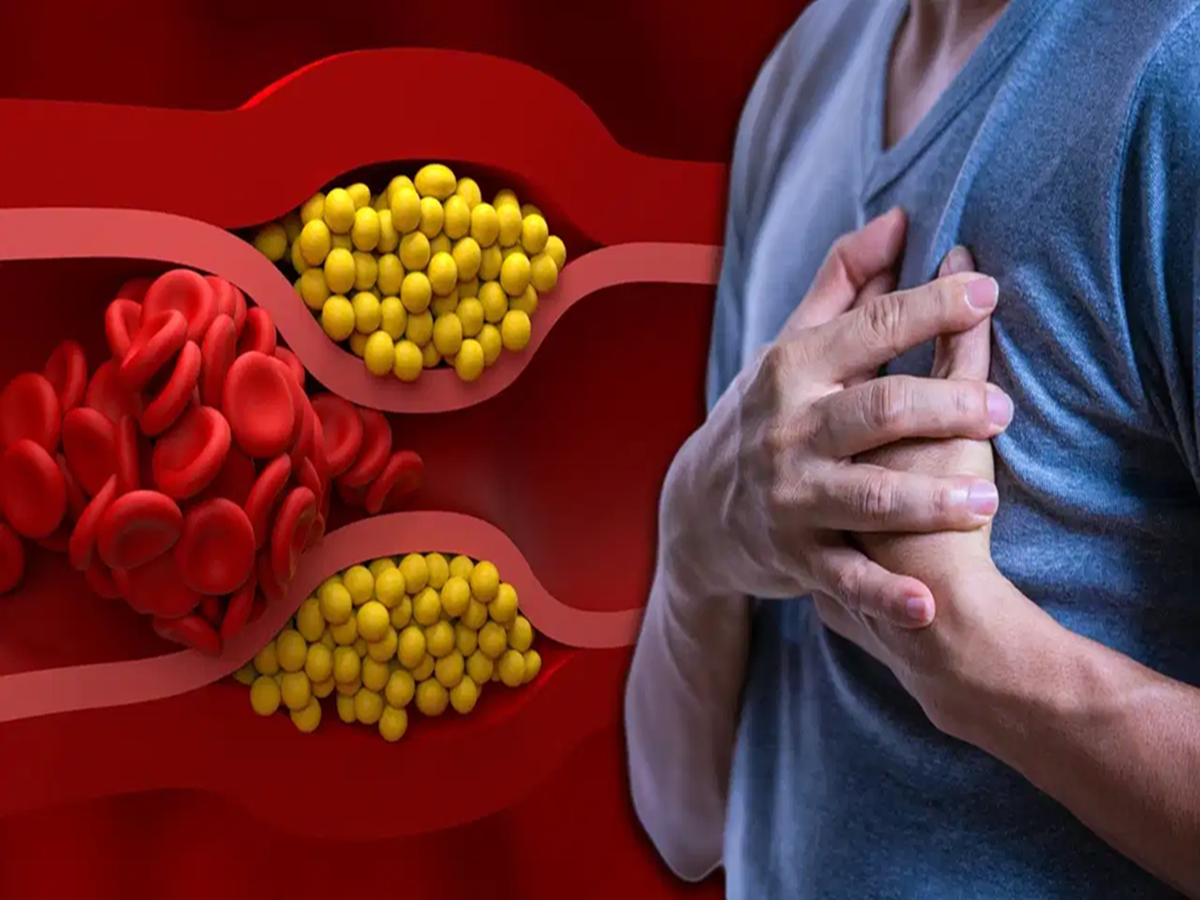
High cholesterol is becoming an increasingly common health concern, often developing without any noticeable symptoms. While many people associate it only with unhealthy eating, experts say that several everyday habits can gradually raise bad cholesterol (LDL) levels, increasing the risk of serious heart conditions.
Often referred to as a "silent killer," high LDL cholesterol can accumulate in the arteries over time, restricting blood flow and significantly raising the chances of heart attack and stroke. The good news is that making healthier lifestyle choices can help keep cholesterol levels under control.
Unhealthy Eating Habits Play a Major Role
According to health experts, poor dietary choices are among the leading causes of high cholesterol. Regularly consuming fried foods, fast food, processed snacks, sugary beverages, and foods rich in trans fats can contribute to the buildup of bad cholesterol in the body.
Modern lifestyles have also led to an increase in the consumption of refined flour-based foods, packaged meals, and high-sugar desserts, all of which may negatively affect heart health when eaten frequently.
Lack of Physical Activity Can Increase Risk
Diet is only one part of the problem. A sedentary lifestyle is another major contributor to rising cholesterol levels.
Spending long hours sitting at a desk, avoiding exercise, and engaging in minimal physical activity can reduce the body's ability to manage cholesterol efficiently. Regular movement helps improve heart health and supports healthier cholesterol levels.
Other Lifestyle Habits That May Raise Cholesterol
Several daily habits can also increase the risk of high cholesterol, including:
-
Smoking tobacco
-
Excessive alcohol consumption
-
Being overweight or obese
-
Poor sleep habits
-
Long periods of inactivity
Together, these factors can affect the body's metabolism and make it more difficult to maintain healthy cholesterol levels.
Certain Medical Conditions Also Contribute
High cholesterol is not always caused by lifestyle alone. Some medical conditions and genetic factors can also play an important role.
People living with diabetes, thyroid disorders, kidney disease, or those with a family history of high cholesterol may be more likely to develop elevated cholesterol levels. In such cases, regular health monitoring becomes even more important.
Why Regular Health Checkups Matter
One of the biggest challenges with high cholesterol is that it usually doesn't produce warning signs in its early stages. Many people discover they have high cholesterol only after undergoing a routine blood test.
Periodic cholesterol screening can help identify the problem early, allowing timely lifestyle changes or medical treatment if necessary.
Simple Ways to Keep Cholesterol Under Control
Maintaining healthy cholesterol levels often begins with small but consistent lifestyle improvements. Experts recommend:
-
Eating a balanced diet rich in fruits, vegetables, whole grains, and healthy fats.
-
Limiting fried, processed, and sugary foods.
-
Engaging in at least 30 minutes of physical activity most days of the week.
-
Maintaining a healthy body weight.
-
Avoiding smoking and limiting alcohol intake.
-
Getting adequate sleep and managing stress.
The Bottom Line
High cholesterol develops gradually and is often linked to everyday lifestyle choices. While unhealthy eating habits and physical inactivity remain major contributors, factors such as obesity, smoking, certain medical conditions, and genetics can also increase the risk. Since high cholesterol often goes unnoticed until complications arise, adopting healthier habits and scheduling regular health checkups are essential steps toward protecting your heart and overall well-being.