BUSINESS
Good news for PF account holders, EPFO will deposit interest of Rs 1.44 lakh Crore by July 15
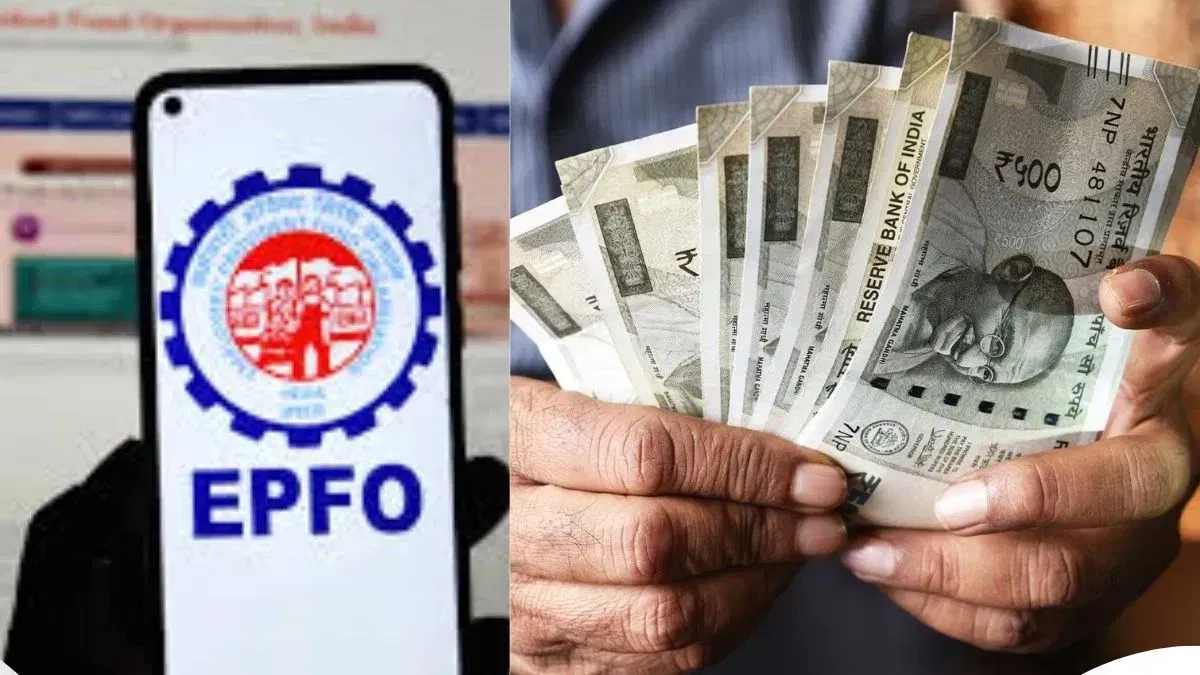
The EPFO has set a target of crediting interest worth ₹1.44 lakh crore to approximately 34 crore PF accounts by July 15. An interest rate of 8.25% will apply for fiscal year 2026. Interest credit, claim settlement, PF transfers, and other services will be faster and more transparent through the new Centralized IT Enabled Services (CITES) platform.
EPFO Interest Credit: There's news of great relief for millions of Employees' Provident Fund (PF) account holders across the country. The Employees' Provident Fund Organization (EPFO) aims to deposit interest of over ₹1.44 lakh crore for the 2026 fiscal year into approximately 340 million PF accounts by July 15. If this happens, it will be the fastest interest credit process in years. This time, the EPFO has prepared to make the entire process faster and more transparent than ever before with the help of its new Centralized IT Enabled Services (CITES) platform.
Interest will be credited to your accounts by July 15
Union Labor and Employment Minister Mansukh Mandaviya stated that the EPFO aims to deposit interest for the financial year 2026 into the accounts of all eligible account holders by July 15. This year, the 8.25 percent interest rate on PF deposits will apply, as approved by the Central Board of Trustees (CBT) in March. The central government subsequently approved this recommendation. According to Mandaviya, necessary field verification will be conducted before interest is credited to ensure that there are no errors in the calculation of interest in any member's account.
The new CITES platform will change the system
The EPFO has replaced its old system with the Centralized IT Enabled Services (CITES) platform. Previously, each regional office maintained a separate database, but now all member records will be available on a single national database. Under this new system, services can be provided to members from any authorized EPFO office. This means that members no longer have to rely solely on the regional office where their PF account is registered.
Calculation of interest will also be more accurate
Under the new system, interest will be calculated up to the date the final payment was approved. Previously, interest was calculated only up to the end of the previous month. This will now allow members to receive interest for the entire eligible period. Furthermore, the entire annual interest credit process will now be completed through an automated workflow, saving time and reducing the likelihood of human error.
Claim related rules also became easier
EPFO has increased the auto-settlement limit for fully KYC-compliant members from ₹1 lakh to ₹5 lakh. Members will now be able to respond online to any information or clarifications needed during claim processing. Once a claim is approved, payment will be transferred directly to their bank account on the same day through a new centralized payment architecture. This will significantly speed up the claim settlement process.
PF transfer will be easy on changing jobs
Under the new system, the transfer of accounts with Aadhaar-linked Universal Account Numbers (UANs) will also become fully automatic. There will no longer be a need to obtain separate approvals from the old employer, the new employer, or the EPFO office when changing jobs. An employee's PF account and their entire service history will be automatically transferred. Furthermore, pensioners will now be able to access services from any EPFO office in the country. Pensions will be deposited directly into bank accounts through the Centralized Pension Payment System.
Crores of employees will get benefit
The new digital system will not only ensure faster interest payments for millions of PF account holders, but will also expedite claims, transfers, and other services. The EPFO believes that the implementation of the CITES platform will increase the organization's efficiency, enhance service transparency, and provide a much better experience for members than before.
Image Credit: Getty image