BUSINESS
GOBARdhan Scheme Gets Major Boost: Government Approves ₹23,731 Crore Plan for Clean Fuel and Rural Income
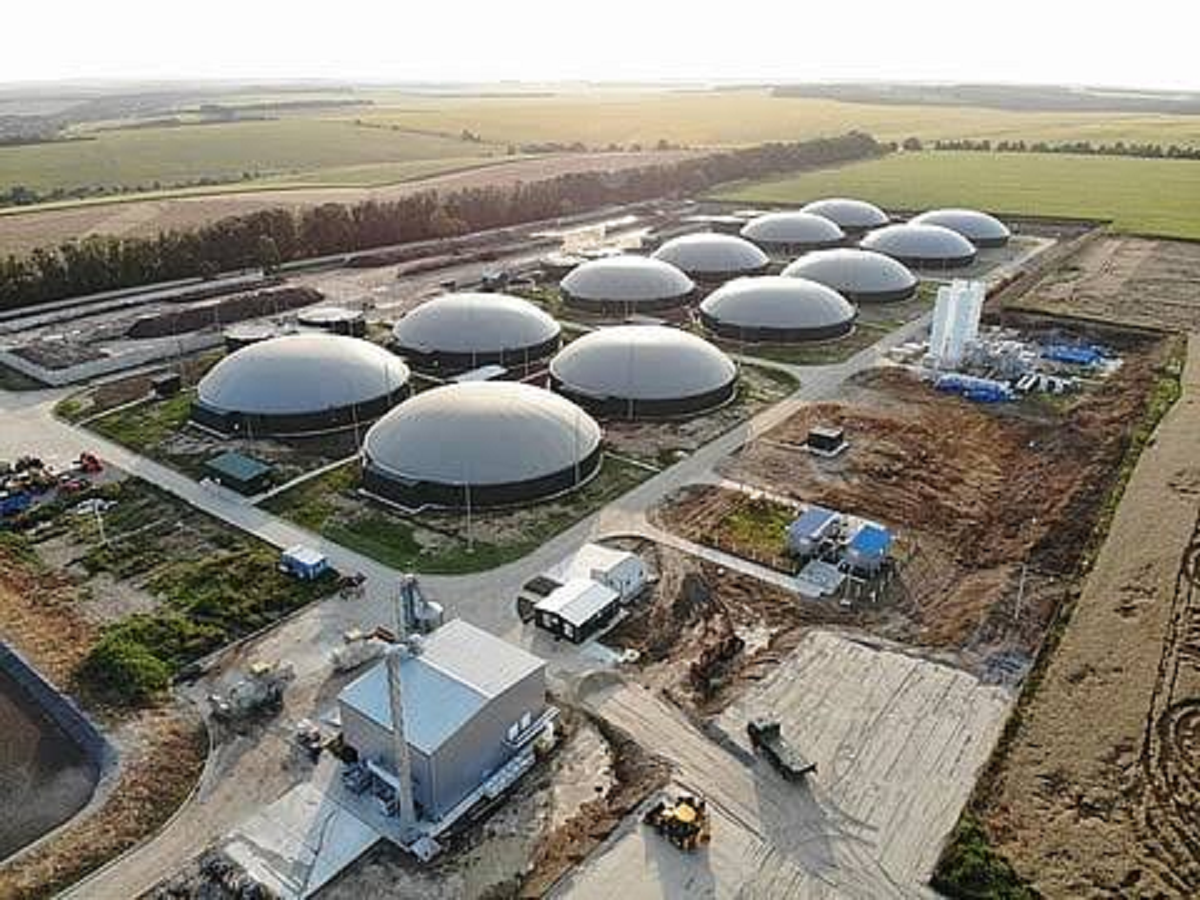
The government has taken a major step toward turning agricultural and organic waste into a source of clean energy and additional rural income. The Union Cabinet has approved GOBARdhan, India's National Unified Scheme for Compressed Biogas (CBG), with a total outlay of ₹23,731 crore.
The scheme will be implemented from 2026-27 to 2035-36 and aims to establish compressed biogas as an important part of India's future energy mix.
What Is the GOBARdhan Scheme?
GOBARdhan stands for Galvanizing Organic Bio-Agro Resources Dhan. The initiative focuses on converting organic waste into useful products such as compressed biogas and organic manure.
The programme covers several potential sources of waste, including:
-
Cattle dung
-
Agricultural residue
-
Press mud from sugar mills
-
Municipal organic waste
-
Other forms of biomass
Instead of allowing such waste to remain unused, the government wants to create an organised ecosystem in which it can be processed into clean fuel and other useful products.
How Can This Help Rural Households?
One of the major objectives is to create additional economic opportunities in rural areas.
Farmers and rural communities generate large quantities of agricultural and animal waste. If this waste can be collected and processed commercially, it can potentially become an additional source of income.
The government also expects the programme to support rural enterprises involved in waste collection, processing, biogas production and organic manure.
Compressed Biogas Could Reduce Fuel Dependence
Compressed biogas can be used as a cleaner fuel and can be supplied for applications where conventional natural gas is currently used.
The government says India currently meets nearly half of its natural-gas requirement through imports, making domestic alternatives important from an energy-security perspective.
Expanding domestic CBG production could therefore help diversify India's energy sources while making productive use of organic waste.
What Support Will the Government Provide?
The scheme is designed to create a more predictable environment for CBG projects through several forms of support.
These include:
-
Assured demand
-
Stable and remunerative pricing
-
Capital assistance
-
Pipeline infrastructure
-
Credit support
-
Technology development
Such measures are intended to make CBG projects more attractive to investors and encourage the development of facilities across the country.
Waste Can Become a Valuable Resource
The larger idea behind GOBARdhan is to create a circular economy around organic waste.
For example, cattle dung that was previously treated mainly as waste can become a feedstock for biogas production. Agricultural residue can similarly be processed rather than being left unused.
The process can produce both clean fuel and organic manure, potentially creating value at multiple stages.
Could This Benefit Consumers?
The scheme is primarily focused on building the CBG ecosystem rather than providing an immediate direct cash benefit to households.
However, if production expands significantly, greater availability of domestically produced biogas could eventually support India's broader efforts to diversify fuel supplies.
The programme could also create employment opportunities in waste collection, transportation, processing, plant operations and related rural businesses.
A Long-Term Energy and Rural Development Plan
The government's approval of the ₹23,731-crore GOBARdhan scheme signals that waste-to-energy is being treated as a long-term part of India's energy strategy.
The programme will run for nearly a decade, giving the sector time to develop infrastructure, technology and commercial demand.
For rural India, the biggest opportunity could be turning something that is often considered waste into fuel, fertiliser, employment and additional income.
If the planned support mechanisms are implemented effectively, GOBARdhan could become an important link between India's clean-energy ambitions and its rural economy.